⏱ 1 min read
The Short Version
Forget stuffy sommeliers and intimidating price tags; the new wave of American wine bars is trading elitism for soul. From vinyl-fueled listening rooms to high-end pours sold by the ounce, these spaces prioritize playful discovery and community over old-school snobbery.
In This Article
The era of nose-up snobbery is giving way to something far more interesting. While headlines suggest wine culture is stalling, a new wave of bars across the country is proving the opposite by prioritizing playfulness over pretense. From vinyl-fueled listening rooms to underground speakeasies, these spaces are redefining what it means to enjoy a glass.
The list invites exploration without commitment: taste unfamiliar grapes or sample classic examples priced by the ounce.
Access without commitment
One of the biggest barriers to entry has always been the price tag of prestige. At Wine Bar George in Disney Springs, that barrier is dismantled through an ambitious program offering more than 200 wines by the ounce. Led by Master Sommelier George Miliotes—who is often on the floor himself—the bar combines high-level expertise with approachable hospitality. This allows enthusiasts to sample rare icons like Domaine de la Romanée-Conti or unique Spanish grapes without committing to a full bottle. The list invites exploration without commitment: taste unfamiliar grapes or sample classic examples priced by the ounce. Whether it is finding a quirky orange wine in Manhattan or sipping a high-end Bordeaux in a hidden speakeasy like The Cellar, the focus has shifted toward discovery rather than status.
Community and curated vibes
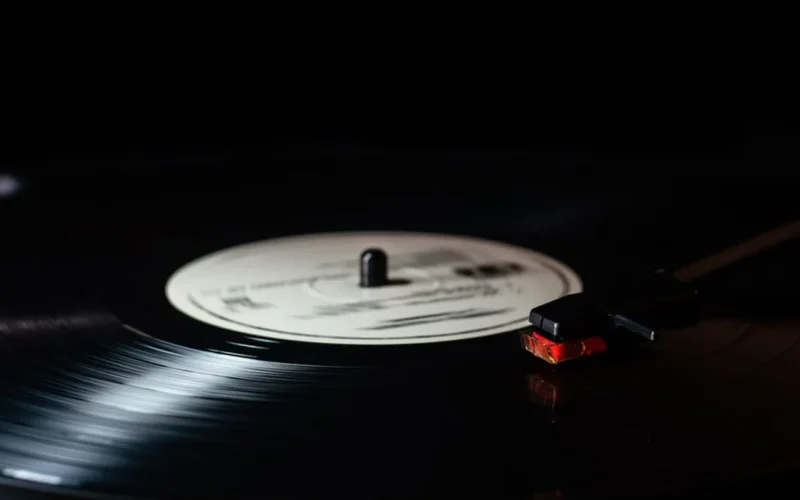
Beyond the liquid in the glass, the most successful spots are building distinct identities rooted in local culture. In Coeur d’Alene, Stylus Wine and Vinyl pairs French and Pacific Northwest pours with a massive collection of records for a fully sensory experience. Meanwhile, Oregon’s The Scout functions like a neighborhood living room, offering free weekly tastings and even an anti-fascist book club. Even Detroit’s Ladder 4 Wine Bar uses its historic firehouse setting to host a party that feels like a dream cellar meets a family kitchen. These venues prove that wine thrives best when it is unpretentious and deeply connected to the people drinking it. This movement isn’t just about surviving; it’s about making every pour feel like an intentional moment of connection.
Which of these atmospheres sounds more like your ideal night out?
Questions & Answers
How are modern wine bars making expensive wines more accessible?
Modern wine bars are increasing accessibility by offering high-end selections by the ounce rather than requiring a full bottle purchase. This approach allows customers to explore rare or prestigious labels without a massive financial commitment. For example, Wine Bar George in Disney Springs provides access to over 200 wines by the ounce, including iconic producers like Domaine de la Romanée-Conti. This method encourages drinkers to sample unfamiliar grapes and classic examples in a low-pressure environment focused on discovery.
What defines the new trend in American wine bar culture?
The new trend in American wine bar culture is defined by prioritizing playfulness and community over traditional snobbery and pretense. Rather than focusing on status, these venues aim to create intentional moments of connection through unique sensory experiences. Many establishments are moving away from formal settings to embrace more relaxed identities, such as vinyl-fueled listening rooms or cozy neighborhood living rooms. This shift focuses on making wine culture feel unpretentious and deeply connected to the local people and surrounding culture.
Why are some wine bars incorporating music and books into their business models?
Wine bars incorporate music and books to create distinct, sensory-driven identities that foster a sense of community. By blending wine with other cultural elements, these venues transform from simple tasting rooms into social hubs rooted in local lifestyle. Stylus Wine and Vinyl in Coeur d’Alene, for instance, pairs French and Pacific Northwest pours with a massive record collection for a multi-sensory experience. Similarly, The Scout in Oregon hosts free weekly tastings and an anti-fascist book club to function like a neighborhood living room.
In what ways do wine bars create a sense of community for their customers?
Wine bars build community by designing spaces that feel like local social hubs rather than formal tasting rooms. These venues often host unique events and utilize interesting settings to make patrons feel welcome and connected. For example, Detroit's Ladder 4 Wine Bar uses its historic firehouse setting to create an atmosphere that feels like a blend of a dream cellar and a family kitchen. By offering activities like book clubs or free tastings, these bars encourage social interaction and deep local engagement.
Originally reported by Food & Wine.