⏱ 1 min read
The Short Version
Forget the myth of a monolithic wine region; Niederösterreich is a masterclass in geological diversity. From the steep, legendary terraces of the Wachau to the heat-retaining loess of Wagram, the Danube carves out a spectrum of styles that defies easy categorization.
In This Article
Consider this your briefing: Niederösterreich is far more than a single, monolithic wine region. While many associate Austrian viticulture with a singular style, recent results from The Global Wine Masters prove that this territory defies easy categorization. Driven by the winding path of the Danube, the landscape shifts constantly, offering a spectrum of terroir that ranges from steep, terraced hillsides to warm, loess-heavy plains.
Instead of being a single homogenous region, it is a changing landscape united by commonalities.
A river shaped by terrain
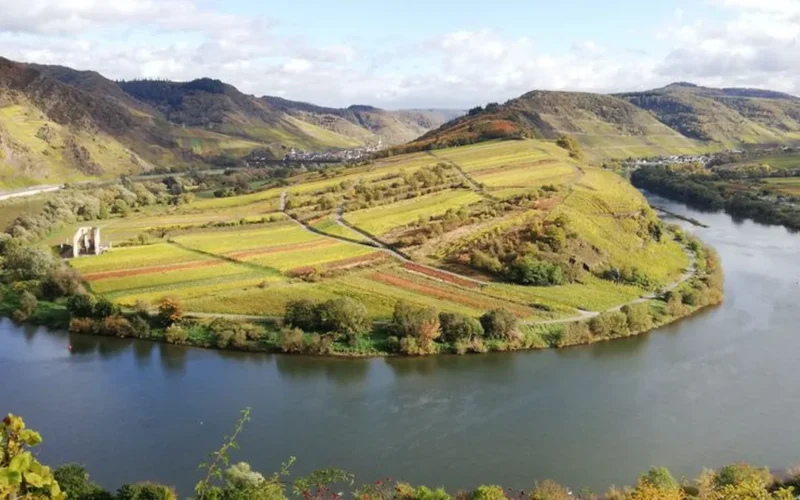
The Danube acts as both a regulator and a roadmap for the region’s diverse sub-zones. In the west, the Wachau offers legendary, ageworthy whites from its iconic terraces, while moving into Kamptal and Kremstal reveals a continued reliance on the river’s influence. As you travel east toward Wagram, the soil changes to heat-retaining loess that imparts a distinct spicy note to the wines. Even further downstream in Carnuntum, the Pannonian climate takes hold, bringing hotter summers and colder winters that allow varieties like Zweigelt to reach peak ripeness. Instead of being a single homogenous region, it is a changing landscape united by commonalities.
Quality across the spectrum
Beyond the river’s immediate banks, regions like Weinviertel offer even deeper variety, producing mineralic whites in the northeast and fruity reds in the west. Despite these geological swings, certain constants remain: Grüner Veltliner stays the undisputed flagship, and an obsessive focus on authenticity defines the modern era. This commitment was evident in recent blind tastings where Niederösterreich producers secured multiple Gold medals, ranging from the viscous, oak-touched Jordan Grüner Veltliner to the powerful, oily Rieslings of Weixelbaum. Whether sipping an organic Gemischter Satz or a structured Blaufränkisch, the technical precision is unmistakable. The sheer breadth of styles—from bone-dry whites to intensely sweet Scheurebe—proves that this region has moved well beyond its historical reputation to become a global heavyweight of complexity. Which sub-region’s profile sounds most appealing to your palate?
Questions & Answers
How does the Danube influence the wine regions of Niederösterreich?
The Danube acts as both a regulator and a roadmap for the various sub-zones within the region. It helps shape the landscape by providing different terroirs ranging from steep, terraced hillsides to warm plains. For example, the river influences the legendary white wines of the Wachau terraces while helping define the profiles of nearby areas like Kamptal and Kremstal. This constant shift in terrain along the river's winding path ensures that the region remains diverse rather than monolithic.
What are the primary grape varieties grown in Niederösterreich?
Grüner Veltliner is the undisputed flagship grape variety for the Niederösterreich region. While this white grape defines much of the area's identity, producers also grow a wide range of other important varieties. These include Riesling, which can be powerful and oily, as well as red varieties like Zweigelt and Blaufränkisch. The region even produces specialty styles such as Scheurebe, demonstrating a massive breadth of styles that extends from bone-dry whites to intensely sweet wines.
Why does the soil composition change across Niederösterreich?
Soil composition changes because the landscape shifts from steep river terraces to different geological formations as you move east. In areas like Wagram, the terrain transitions to heat-retaining loess, which imparts a distinct spicy note to the wines produced there. Further downstream in Carnuntum, the environment shifts again toward a Pannonian climate with hotter summers and colder winters. These geological swings allow for a diverse spectrum of flavors and ripening conditions across the different sub-zones.
What makes the wine styles of Niederösterreich so diverse?
The diversity stems from a combination of changing terrain, varying soil types, and distinct microclimates across its sub-regions. The landscape ranges from the iconic terraces of the Wachau to the mineralic whites of the Weinviertel in the northeast. Additionally, different climatic influences like the Pannonian climate in Carnuntum allow for different ripening patterns. This combination of factors produces everything from viscous, oak-touched whites to fruity reds and structured varieties, proving the region is a complex global heavyweight.
Originally reported by The Drinks Business.