⏱ 2 min read
The Short Version
Forget the "buy-and-wait" cellar model; Bordeaux collectors are ditching decades of aging for immediate gratification. Driven by more accessible modern winemaking, demand for bottles under ten years old has surged to nearly a third of all auction volume.
In This Article
Listen up: while critics claim Bordeaux is losing its cultural grip, the market data tells a different story. iDealwine recently reported a record year, fueled by a surprising surge in interest for the region’s left-field players and younger bottles. Despite rumors of oversupply, Bordeaux volumes through their auctions rose 23%, proving that demand hasn’t vanished—it has simply shifted its focus.
People now know that they won't have to wait for decades before they can open their bottles.
A shift toward immediacy
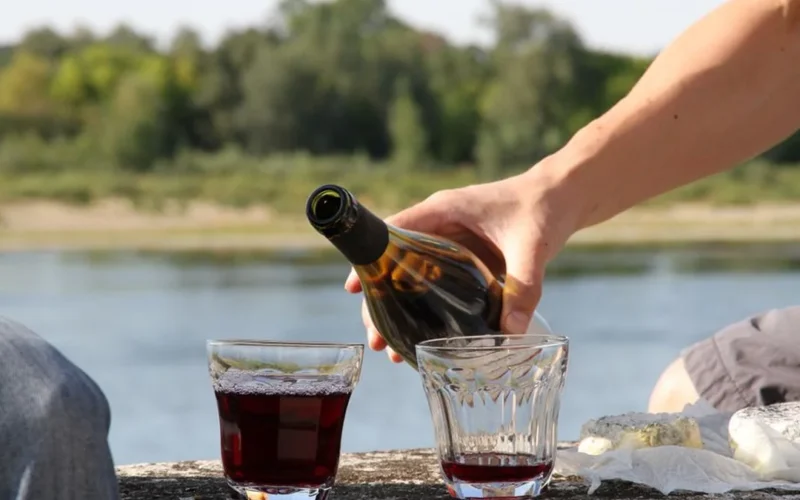
The most striking evolution isn’t just who is buying, but what they are pouring. There is a massive movement away from the traditional “buy-and-wait” cellar model toward wines that offer immediate gratification. According to co-founder Angélique de Lencquesaing, wines under ten years old accounted for 28% of auctioned bottles last year, up significantly from 20% the year prior. This trend is driven by a fundamental change in winemaking chemistry; modern Bordeaux styles are increasingly accessible earlier in their lifecycle. People now know that they won’t have to wait for decades before they can open their bottles. This desire for consumption over long-term speculation means that even when en primeur campaigns seem subdued, it isn’t necessarily due to poor pricing, but rather a change in consumer habits. The era of building massive, dormant cellars is giving way to a culture of drinking high-quality wine while it is still vibrant.
Momentum in the classics
While the appetite for youth grows, certain estates continue to command massive volume and respect through sheer momentum. Château Figeac, for instance, saw a staggering 72% rise in volume while maintaining price stability, likely bolstered by its recent elevation to premier grand cru classé A status. Other heavyweights like Petrus and Mouton Rothschild remain at the top of the value charts, but the real story lies in the volatility of interest elsewhere. Take Château Lafleur: volumes more than doubled as enthusiasts moved quickly, perhaps reacting to the estate’s announcement regarding its future position within the Pomerol appellation. It seems the market is no longer just waiting for history to happen; it is actively trading on the present. Do you prefer collecting Bordeaux for long-term appreciation or for immediate enjoyment?
Questions & Answers
Why are younger Bordeaux wines seeing increased sales?
Younger Bordeaux wines are driving record sales because modern winemaking chemistry allows these bottles to be accessible much earlier in their lifecycle. Consumers are moving away from the traditional model of long-term cellar aging in favor of immediate gratification and drinking high-quality wine while it is still vibrant. This shift is reflected in auction data, where wines under ten years old accounted for 28% of auctioned bottles last year, a significant increase from the previous year's 20%.
How has consumer behavior changed regarding Bordeaux wine collecting?
Consumer behavior has shifted from long-term speculation and building massive dormant cellars toward a culture focused on immediate consumption. Instead of waiting decades to open bottles, enthusiasts are increasingly seeking wines they can enjoy shortly after purchase. This change in habits means that even when en primeur campaigns appear subdued, it often reflects a desire for immediacy rather than dissatisfaction with pricing. People are now actively trading on the present rather than simply waiting for historical appreciation.
What impact has recent status changes had on Bordeaux wine volumes?
Recent status changes and estate announcements have significantly boosted trading volumes for specific prestigious estates. For example, Château Figeac experienced a staggering 72% rise in volume while maintaining price stability, likely due to its recent elevation to premier grand cru classé A status. Similarly, Château Lafleur saw its volumes more than double as enthusiasts reacted quickly to news regarding the estate's future position within the Pomerol appellation, demonstrating how market interest responds to real-time developments.
What is the current state of demand for Bordeaux wine in auctions?
Demand for Bordeaux remains strong despite rumors of oversupply, as evidenced by a 23% increase in auction volumes through iDealwine. While some critics suggest the region is losing its cultural grip, the market data indicates that interest has not vanished but has instead shifted its focus toward younger vintages and left-field players. Even while heavyweights like Petrus and Mouton Rothschild maintain high value, the overall momentum is being driven by a growing appetite for more accessible, drinkable styles.
Originally reported by The Drinks Business.