⏱ 2 min read
The Short Version
Electric roasting can slash emissions by 85% and use 20 times less energy than gas, but a massive scaling bottleneck remains. While boutique micro-roasters are going green, current electric technology can’t yet match the heavy throughput required by global commercial giants.
In This Article
The traditional coffee roasting process is undeniably dirty. Between carbon monoxide, volatile organic compounds, and particulate matter, standard gas drums release a heavy footprint of pollutants into the atmosphere. This isn’t just an environmental issue; it can become a public health crisis. In early 2026, a small roastery in Beechwood, New York, made headlines when neighbors alleged that pollution from its practices made them sick after it was discovered they weren’t using an afterburner to reduce emissions. While many companies attempt to offset their impact by installing solar panels, they often continue to rely on fossil fuels for the actual heat required to transform green beans into a finished product.
This practice uses an estimated 20 times less energy than a traditional gas roaster, and it produces 85% fewer emissions.
The electric alternative
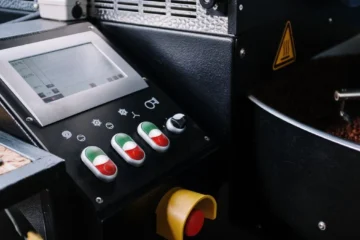
Sun Bean Roastery in Indianapolis is attempting a different path by pairing solar energy with fully electric roasting. This setup uses an electric roaster that filters exhaust smoke and recycles heat, a method that significantly optimizes efficiency. This practice uses an estimated 20 times less energy than a traditional gas roaster, and it produces 85% fewer emissions. Eliminating gas allows small operations to drastically reduce their impact, but there is a significant bottleneck regarding scale. Most current electric roasters are limited to five-pound batches, making them ideal for boutique micro-roasters but nearly impossible for large-scale commercial players who process hundreds of pounds at a time.
Grid dependency matters
Even when roasters adopt solar power, the true environmental benefit depends heavily on local infrastructure. In states like Indiana or Utah, where the electrical grid relies almost exclusively on coal and natural gas, adding solar panels helps offset consumption, but it doesn’t fundamentally change the source of the energy being used. Conversely, a roaster in a region like Portland, Oregon, benefits more from solar because the existing grid already incorporates higher levels of renewable resources. For larger companies like Wonderstate Coffee, the goal isn’t necessarily total electrification, but rather generating enough excess solar energy to feed surplus electricity back into the municipal grid.
Scaling a zero-emissions revolution requires bridging the gap between these small, high-efficiency electric setups and the massive throughput required by global brands. Until electric roasting technology catches up to the volume of gas-powered drums, the industry will likely remain a patchwork of highly sustainable boutiques and heavy-emitting giants.
How much weight do you give to a roaster’s environmental footprint?
Questions & Answers
What are the environmental impacts of traditional gas coffee roasting?
Traditional gas coffee roasting releases a variety of pollutants including carbon monoxide, volatile organic compounds, and particulate matter into the atmosphere. These emissions create a heavy environmental footprint and can lead to significant public health concerns for nearby communities. For example, a roastery in Beechwood, New York, faced allegations from neighbors that their lack of an afterburner caused sickness. While many companies use solar panels to offset these effects, they often still rely on fossil fuels for the actual heat required during roasting.
How does electric coffee roasting compare to traditional gas methods?
Electric coffee roasting uses significantly less energy and produces far fewer emissions than traditional gas-powered drums. Systems that pair solar energy with electric roasters can use an estimated 20 times less energy while reducing emissions by approximately 85%. This is achieved through specialized equipment that filters exhaust smoke and recycles heat to optimize efficiency. While these methods are highly sustainable for boutique micro-roasters, current technology is often limited to small five-pound batches, which prevents widespread adoption by large commercial players.
Why does local electrical grid composition affect solar roasting benefits?
The true environmental benefit of solar-powered roasting depends on how much renewable energy is already present in the local municipal grid. In regions like Indiana or Utah where the grid relies heavily on coal and natural gas, solar panels only partially offset consumption without changing the underlying energy source. In contrast, roasters in areas like Portland, Oregon, see greater benefits because the existing grid incorporates higher levels of renewable resources. This makes the location of a roasting facility critical to its overall sustainability.
What is the main challenge preventing large-scale electric coffee roasting?
The primary obstacle to scaling zero-emissions roasting is the current technological gap in batch capacity between electric and gas equipment. Most existing high-efficiency electric roasters are designed for small five-pound batches, making them suitable only for micro-roasters rather than industrial operations. Large commercial brands require the ability to process hundreds of pounds at a time, a volume that current electric technology cannot yet match. Until these machines can handle massive throughput, the industry will remain split between sustainable boutiques and heavy-emitting giants.
Originally reported by Food & Wine.