⏱ 1 min read
The Short Version
Château Galoupet’s Cru Classé Provençal Rosé just snagged the Grand Master title, proving that sustainable viticulture is no longer a niche compromise. From Champagne to England, the global shift toward organic methods is delivering world-class complexity without sacrificing prestige.
In This Article
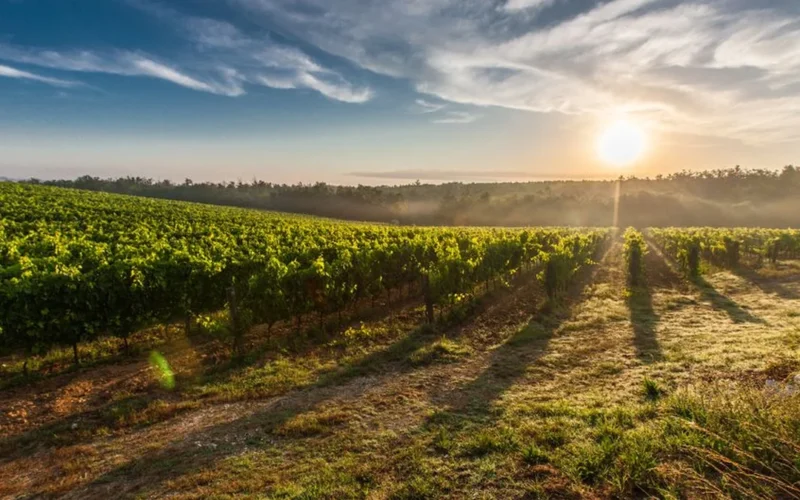
Let’s talk about the shifting landscape of sustainable viticulture. For years, organic and vegan certifications were niche interests, but they have rapidly moved into the mainstream as climate change forces a global rethink of farming practices. The results are no longer just ethical; they are exceptional. At the recent Global Organic and Vegan Masters, the jury proved that prioritizing healthy, living soils doesn’t require sacrificing complexity or prestige.
Climate change is not a myth; it is a global reality, and consumers are looking for ways to drink green.
A global shift in terroir
The competition highlighted how geography is playing a new role in the green revolution. While warmer regions like Spain, Italy, and Portugal find it easier to manage vines without heavy agro-chemicals, we are seeing an unexpected surge in cooler, damper climates. Producers in Champagne, Austria, and even England are increasingly adopting organic and biodynamic methods to navigate changing weather patterns. Climate change is not a myth; it is a global reality, and consumers are looking for ways to drink green. This evolution means that high-quality, eco-conscious options are appearing across every price point, from affordable Chilean Chardonnays to premium sparkling wines.
Exceptional winners
The accolades this year spanned an impressive breadth of styles, proving that sustainability is far from a monolith. In the sparkling category, Champagne Telmont’s Réserve de la Terre stood out with its Gold medal, while the prestigious Grand Master title went to Château Galoupet’s Cru Classé Provençal Rosé. Other standout performers included Feuerheerd’s Colheita Port and Château Léoube’s Collector blend, both earning Master status. While these “green” wines can sometimes carry a higher price tag due to lower yields and more intensive labor, they represent a significant investment in quality. The diversity of the medalists—ranging from unoaked orange wines in Languedoc to robust reds from the Columbia Valley—suggests that the industry has moved past the era of compromise. We are entering an age where environmental stewardship is simply synonymous with excellence. Do you find that organic or vegan certifications influence your choice when browsing the wine aisle?
Questions & Answers
Which wine won the Grand Master title at the Global Organic and Vegan Masters?
Château Galoupet’s Cru Classé Provençal Rosé won the prestigious Grand Master title at the recent Global Organic and Vegan Masters competition. This award highlights how prioritizing healthy, living soils can result in wines of extreme complexity and prestige. Other top performers included Feuerheerd’s Colheita Port and Château Léoube’s Collector blend, which both earned Master status during the ceremony. These accolades demonstrate that sustainable viticulture is now producing world-class results across various wine styles.
Why are organic and biodynamic farming methods becoming more common in cooler climates?
Producers in cooler and damper regions like Champagne, Austria, and England are adopting organic and biodynamic methods to better navigate changing weather patterns caused by climate change. As global temperatures shift, these sustainable practices help vineyards adapt to new environmental realities. This evolution shows that geography is playing a significant role in the green revolution of viticulture. Consequently, high-quality, eco-conscious wine options are becoming increasingly available to consumers across many different regions and price points.
What are some examples of award-winning organic wines from this competition?
Award-winning organic wines at the Global Organic and Vegan Masters included Champagne Telmont’s Réserve de la Terre, which earned a Gold medal in the sparkling category. The Grand Master title was awarded to Château Galoupet for its Provençal Rosé, while Feuerheerd’s Colheita Port also received Master status. The diversity of winners ranged from unoaked orange wines in Languedoc to robust reds from the Columbia Valley. This variety proves that sustainability is not a monolith and can produce many different styles.
How does sustainable viticulture impact the price of organic wines?
Sustainable viticulture can sometimes lead to higher price tags for organic wines due to lower crop yields and more intensive labor requirements. While these green wines may require a larger financial investment, they represent a significant commitment to long-term quality and environmental stewardship. The industry is moving toward an era where eco-conscious practices are synonymous with excellence rather than compromise. Consumers can now find sustainable options at every level, ranging from affordable Chilean Chardonnays to premium sparkling selections.
Originally reported by The Drinks Business.