

⏱ 1 min read
The Short Version
Forget the frantic caffeine hustle; a new wave of teahouses is trading espresso shots for intentional stillness and deep conversation. From laptop-free sanctuaries to complex gongfu brewing, tea is evolving from a simple latte ingredient into a sophisticated, ritualistic culture.
In This Article
Let’s talk about the shift from caffeine as fuel to tea as an experience. For decades, the American relationship with tea was largely relegated to iced black tea or sugary milkshakes. Now, a new wave of teahouses is reclaiming the beverage as a tool for intentionality, offering a deliberate alternative to the frantic pace of coffee culture.
Tea is like, I’m gonna sit here for hours and I’m gonna have a deep conversation with the person sitting across from me.
Beyond the Hustle
In Los Angeles, Tea at Shiloh operates as a “late night teahouse,” trading the grab-and-go energy of espresso bars for plush cushions and jazz. Founder Shiloh Enoki designed the space specifically to combat the performative nature of modern nightlife, creating an environment where conversation takes precedence over screens. Unlike the high-octane ritual of coffee, tea invites a slower tempo. Tea is like, I’m gonna sit here for hours and I’m gonna have a deep conversation with the person sitting across from me. This desire for stillness is echoed in Manhattan at Soft Hours, where Juno Shen draws inspiration from Song dynasty rituals to create a laptop-free sanctuary that moves away from the TikTok-ready performance of boba and cold foam.
A New Flavor Frontier
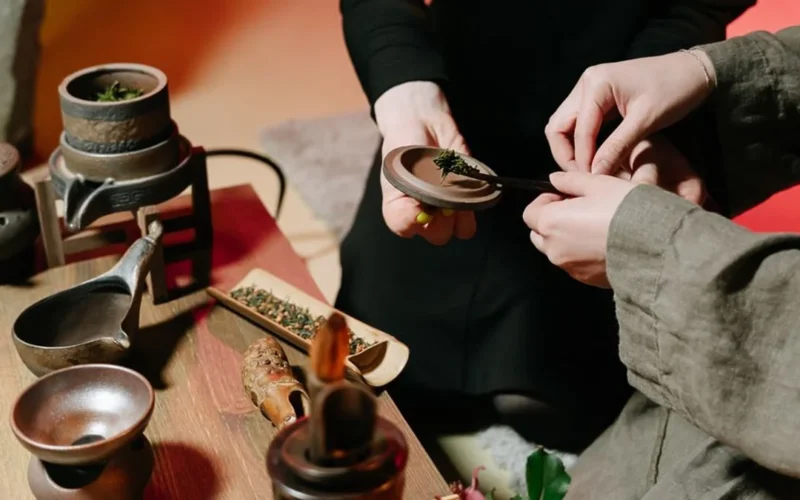
While matcha and boba provided the initial gateway for younger generations, the current movement is digging deeper into diversity. From Chicago’s Han Cha, which pairs Taiwanese black tea with Korean-style pickles, to Kansas City’s Tian Tea House, the focus has shifted toward specialized knowledge like Chinese gongfu brewing and rare Thai botanicals. We are seeing tea move past being a mere ingredient in a latte; it is becoming a complex flavor profile used in everything from cocktails to osmanthus oolong soft serve. As the U.S. market expands through massive players like Heytea, the beverage is evolving from a simple refreshment into a living culture that refuses to be defined by a single format. Do you prefer your tea as a quick midday pick-me-up or a slow, ritualistic experience?
Questions & Answers
Why are intentional tea spaces becoming more popular?
Intentional tea spaces are rising in popularity because they offer a deliberate alternative to the frantic pace of modern coffee culture. Unlike high-octane espresso bars, these teahouses prioritize stillness and deep conversation over the grab-and-go energy of caffeine as fuel. Establishments like Tea at Shiloh in Los Angeles create environments designed to combat performative nightlife by encouraging patrons to sit for hours rather than focusing on screens or quick refreshments.
How is tea being used differently in modern culinary trends?
Tea is evolving from a simple latte ingredient into a complex flavor profile used across various culinary formats. Modern trends show tea being integrated into sophisticated offerings such as cocktails and osmanthus oolong soft serve. This shift represents a move away from basic refreshments toward a more diverse flavor frontier where specialized knowledge, like Chinese gongfu brewing or rare Thai botanicals, plays a central role in the consumer experience.
What makes teahouses different from traditional coffee shops?
Teahouses differ from traditional coffee shops by fostering a slower tempo and prioritizing social connection over productivity. While coffee culture often revolves around high-octane rituals and quick energy, tea spaces like Soft Hours in Manhattan create laptop-free sanctuaries inspired by ancient rituals. These environments move away from the fast-paced, TikTok-ready performance of boba shops to focus on creating a sense of intentionality and presence for their guests.
What are some examples of specialized tea experiences in the U.S.?
Specialized tea experiences across the United States include unique pairings and traditional brewing methods that highlight diverse cultures. In Chicago, Han Cha pairs Taiwanese black tea with Korean-style pickles to create a distinct flavor profile. Other notable examples include Kansas City's Tian Tea House, which focuses on specialized knowledge like Chinese gongfu brewing, and Los Angeles's Tea at Shiloh, which operates as a late-night teahouse featuring jazz and plush cushions.
Originally reported by Eater.

[…] out of them. But there is a way to move beyond this baseline flavor profile by applying orthodox tea processing techniques to common […]
[…] cafe menus from Midtown to the Heights, a roasted newcomer is quietly gaining ground in the Houston tea scene. Hojicha—a Japanese green tea roasted to a deep, rusty brown—offers drinkers something matcha […]