⏱ 2 min read
The Short Version
Forget performative TikTok whisking; tea is evolving from a sugary afterthought into a sophisticated, slow-tempo sanctuary. From late-night jazz teahouses to unexpected culinary pairings, Americans are ditching the caffeine hustle for deep flavor exploration and intentional stillness.
In This Article
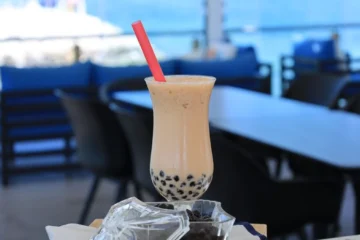
Consider this your morning briefing: the era of tea as a mere sugary afterthought is over. While matcha and boba paved the way by capturing the attention of younger generations, a more sophisticated movement is taking root across American cities. We are moving past the performative TikTok whisking and into a period defined by intentionality and deep flavor exploration.
Tea is like, I’m gonna sit here for hours and I’m gonna have a deep conversation with the person sitting across from me.
Beyond the Caffeine Hustle
In Los Angeles, Tea at Shiloh operates as a “late night teahouse,” trading the high-octane energy of espresso bars for plush cushions and jazz. Founder Shiloh Enoki designed the space specifically to combat the frantic pace of modern nightlife, offering an environment where conversation takes precedence over screens. Unlike coffee shops that often fuel hustle culture, tea invites a slower tempo. Tea is like, I’m gonna sit here for hours and I’m gonna have a deep conversation with the person sitting across from me. This desire for stillness is echoed in Manhattan at Soft Hours, where Juno Shen draws inspiration from Song dynasty rituals to create a laptop-free sanctuary that moves away from the trendy performance of cold foam.
A Flavor Revolution
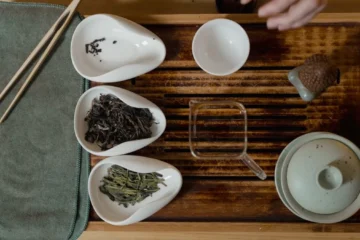
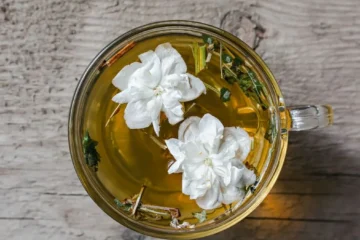
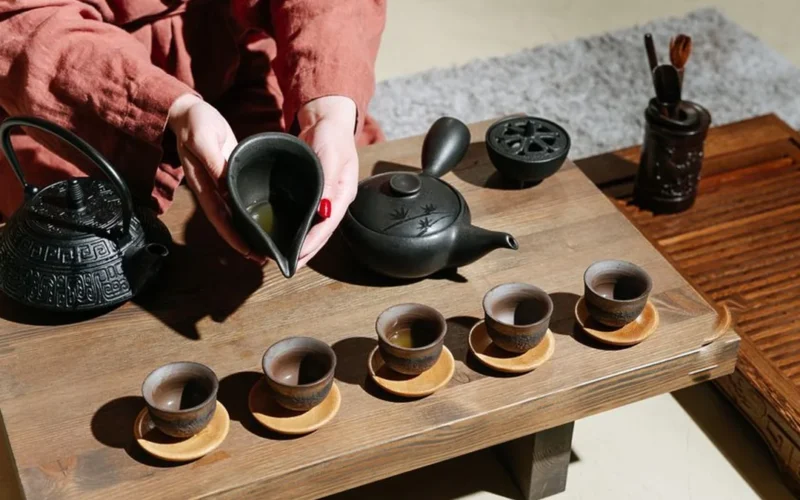
The shift isn’t just about atmosphere; it is about a massive expansion of the palate. As US imports reach record highs, tea is being treated less like a single ingredient and more like a diverse seasonal category. In Chicago, Han Cha serves Taiwanese black teas alongside unexpected pairings like Korean-style quick pickles, while in Kansas City, Tian Tea House uses its space to bridge the gap between traditional Chinese gongfu tea and evening cocktail service. Even mainstream chains are beginning to absorb these nuances, integrating oolong or jasmine into refreshing beverage formats. This evolution suggests that we are no longer satisfied with tea as a simple base. Whether it is osmanthus oolong infused into soft serve or hibiscus used in highballs, the beverage is becoming a limitless flavor element. We are finally moving beyond the trend cycle and toward an actual understanding of tea’s global breadth. Do you prefer your tea as a quiet ritual or a complex culinary ingredient?
Questions & Answers
How is modern tea culture changing in American cities?
Modern tea culture is shifting from a performative trend toward a movement defined by intentionality and deep flavor exploration. While previous trends like matcha and boba focused on visual appeal, the new era emphasizes slow consumption and sophisticated palates. Establishments are moving away from the high-energy hustle of coffee culture to create spaces that prioritize stillness and conversation. This evolution marks a transition from viewing tea as a simple sugary afterthought to treating it as a diverse, seasonal category with global breadth.
What makes late night teahouses different from traditional coffee shops?
Late night teahouses differ from coffee shops by offering a slower tempo that prioritizes human connection over caffeine-fueled productivity. Instead of fueling hustle culture and frantic energy, these spaces like Tea at Shiloh use plush cushions and jazz to encourage long conversations. While many modern cafes are designed for quick turnover or digital work, teahouses serve as sanctuaries where conversation takes precedence over screens. This creates a calm environment that combats the fast pace of modern nightlife through intentional stillness.
In what ways is tea being used as a culinary ingredient?
Tea is being used as a limitless flavor element that extends far beyond a simple beverage base. It is increasingly integrated into complex culinary pairings and diverse formats, such as osmanthus oolong infused into soft serve or hibiscus utilized in highballs. Some specialty shops even pair Taiwanese black teas with unexpected foods like Korean-style quick pickles. This shift shows that tea is being treated as a sophisticated seasonal category capable of enhancing various food and drink experiences through its wide range of profiles.
Why are some new teahouses implementing laptop-free policies?
Many new teahouses implement laptop-free policies to create sanctuaries that encourage mindfulness and social interaction. By removing digital distractions, these spaces aim to move away from the performative nature of trendy beverage culture and toward meaningful presence. For example, Soft Hours in Manhattan draws inspiration from Song dynasty rituals to establish an environment where guests can focus on the tea experience rather than screens. This approach helps foster a sense of stillness that contrasts with the frantic pace of modern life.
Originally reported by Eater.