

⏱ 1 min read
The Short Version
Forget the caffeine jitters and grassy punch of matcha; Houston is falling for hojicha’s toasted, chocolatey depth. This low-caffeine, roasted newcomer is carving out a sophisticated niche, proving that nutty umami can rival even the most intense green tea trends.
While matcha dominates cafe menus from Midtown to the Heights, a roasted newcomer is quietly gaining ground in the Houston tea scene. Hojicha—a Japanese green tea roasted to a deep, rusty brown—offers drinkers something matcha cannot: a low-caffeine profile paired with heavy notes of chocolate and toasted nuts. As specialty shops navigate the aftermath of global matcha shortages, this earthy alternative is proving it can hold its own against the bright, grassy intensity of its greener cousin.
We just realized that people liked it more than we imagined.
A Roasted Departure From Green Tea
The appeal of hojicha lies in its transformation through heat. Unlike the vibrant, vegetal punch of whisked matcha, roasting the leaves strips away much of the caffeine and replaces grassy notes with an umami depth. In local cafes like Kohiko Coffee House, the transition wasn’t immediate; owner Nicolas Tanaka initially removed the drink due to customer confusion before realizing demand was surging. We just realized that people liked it more than we imagined. The numbers back the trend: Tanaka reported selling approximately 8,000 hojicha drinks last year, reaching about one-third the volume of his matcha latte sales.
Versatility Beyond the Latte
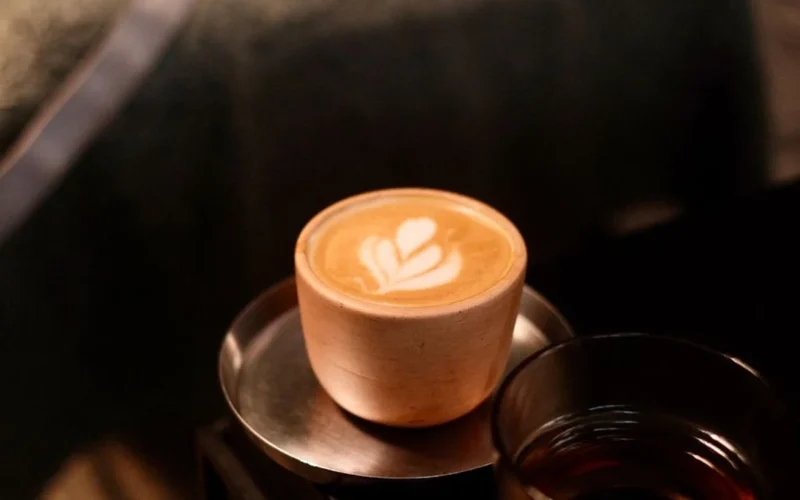
Hojicha is proving remarkably adaptable to both sweet and savory pairings. At Merit Coffee, seasonal experiments have seen the tea paired with strawberry syrup to mimic the malty, nostalgic flavor of Neapolitan ice cream. Other local spots are getting more adventurous, such as Third Place, which blends the tea with tamarind Jarritos for a “Cowboy Tea.” While many patrons visit coffee shops specifically for a caffeine hit, the niche for hojicha is expanding into decaf-friendly territory. Whether served as a sea salt-maple latte or a simple plain tea, hojicha provides a sophisticated middle ground for those seeking complexity without the jitters.
Do you prefer the bright, grassy energy of matcha or the toasted, comforting notes of roasted teas?
Questions & Answers
What is the difference between hojicha and matcha?
Hojicha differs from matcha primarily through its roasting process and flavor profile. While matcha provides a vibrant, grassy, and vegetal punch, hojicha consists of Japanese green tea leaves that are roasted to a deep, rusty brown. This heat transformation strips away much of the caffeine found in traditional green teas and replaces bright notes with heavy flavors of chocolate, toasted nuts, and umami depth. Consequently, hojicha offers a much more earthy and comforting experience compared to the intense energy of matcha.
Why is hojicha becoming a popular alternative to matcha?
Hojicha is gaining popularity as a tea alternative because it offers a low-caffeine profile paired with complex, nutty flavors. As specialty shops navigate global matcha shortages, drinkers are turning to this roasted option for its unique taste and ability to provide sophistication without the jitters. Local businesses are seeing significant demand, such as Kohiko Coffee House, which reported selling approximately 8,000 hojicha drinks last year. This trend suggests that many consumers prefer its toasted notes over the bright intensity of traditional matcha.
How can hojicha be served in specialty coffee shops?
Hojicha can be served in a wide variety of ways ranging from traditional tea to creative seasonal lattes. It is frequently prepared as a sea salt-maple latte or a simple plain tea for those seeking a decaf-friendly option. Some cafes experiment with unique flavor pairings, such as Merit Coffee mixing it with strawberry syrup to mimic Neapolitan ice cream. Other adventurous shops like Third Place have even created specialty blends like Cowboy Tea by combining the roasted tea with tamarind Jarritos.
What are the typical flavor notes of roasted hojicha tea?
The typical flavor notes of hojicha include heavy hints of chocolate and toasted nuts. Because the roasting process transforms the Japanese green tea leaves, the bright and grassy vegetal qualities found in matcha are replaced by a deep umami richness. This creates a profile that many drinkers find comforting and earthy. These distinct characteristics allow the tea to pair well with both sweet ingredients like strawberry syrup and savory or complex elements like sea salt and maple.
Originally reported by Houston Chronicle.


[…] neon energy of Las Vegas is being tempered by the quiet, verdant precision of Japanese tea culture. Matcha has migrated from a niche specialty order to a dominant force across the valley, moving far beyond […]