⏱ 1 min read
The Short Version
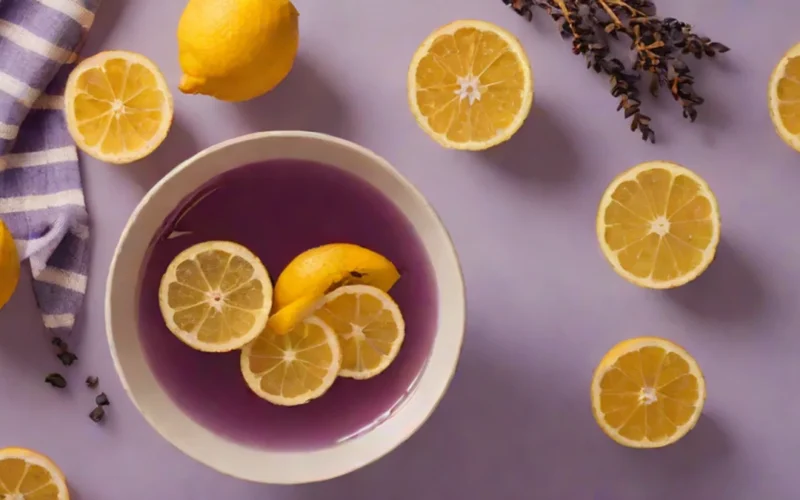
Add a squeeze of lemon to your purple tea and watch it transform from deep violet to bright pink. This visual magic is driven by high anthocyanin levels, though experts suggest prioritizing precise brewing temperatures over citrus to preserve its delicate, fruity flavor profile.
In This Article
Purple tea began as a naturally occurring mutation found in wild plants across North-East India and South-West China. Unlike standard green varieties, these leaves possess significantly higher levels of anthocyanin, a flavonoid responsible for the deep pigments seen in blueberries and eggplants. This compound acts as a natural antioxidant, protecting the plant from environmental stressors such as excess UV radiation. Because anthocyanin serves as a pH indicator, the brewed liquid possesses a unique chemical property: adding an acid like lemon juice will shift the hue from a purplish-green to a bright pink.
The healthiest tea is the one you enjoy because you’ll actually want to drink it!
Beyond the color change
It is a common misconception that purple tea represents a distinct species; rather, it describes a specific characteristic of the Camellia sinensis cultivar used during harvest. Once gathered, these purple leaves can be processed into any of the six primary tea categories. In practice, teas labeled simply as “purple tea”—particularly those sourced from Kenya—frequently follow the processing methods of black teas. While early market trends focused heavily on hyping potential health benefits over flavor profile, the industry has matured to prioritize quality. The healthiest tea is the one you enjoy because you’ll actually want to drink it!
Flavor profiles and brewing precision
Taste varies depending on origin and oxidation levels, but many drinkers report a consistent baseline of mellowness paired with fruity notes and a slightly tangy aftertaste. When brewing, the category of the tea dictates the technique. Green tea varieties require lower water temperatures to prevent bitterness, whereas more oxidized teas are better suited for higher heat to extract full flavor depth.
While the visual transformation caused by citrus is popular, adding lemon can often dominate the delicate palate and exacerbate astringency. For the best experience, treat the tea according to its specific processing method rather than just its color. Whether you are navigating a delicate green or a robust oxidized leaf, adjusting temperature remains the most critical variable in achieving balance.
Do you prefer the visual novelty of adding citrus to your tea, or do you find it interferes too much with the natural flavor?
Questions & Answers
Why does purple tea change color when lemon is added?
Purple tea changes color because the anthocyanins in the leaves act as a natural pH indicator. When you add an acidic substance like lemon juice to the brewed liquid, the chemical reaction shifts the hue from a purplish-green to a bright pink. These anthocyanins are the same flavonoids responsible for the deep pigments found in other foods like blueberries and eggplants, providing both the tea's unique visual magic and its antioxidant properties.
What is the difference between purple tea and standard green tea?
The primary difference is that purple tea contains significantly higher levels of anthocyanin, a flavonoid that provides deep pigmentation and antioxidant protection. While standard green tea lacks these high pigment levels, purple tea leaves possess a natural mutation that allows them to withstand environmental stressors like excess UV radiation. It is important to note that purple tea is not a distinct species but rather a specific characteristic of certain Camellia sinensis cultivars.
How should you brew different varieties of purple tea?
You should adjust your brewing temperature based on the specific processing method and oxidation level of the tea. Green tea varieties require lower water temperatures to prevent the leaves from becoming overly bitter during the steeping process. Conversely, more oxidized teas, which often follow black tea processing methods, are better suited for higher heat. Using the correct temperature is the most critical variable for extracting full flavor depth and achieving a balanced cup.
What does purple tea taste like?
Purple tea typically features a mellow flavor profile characterized by fruity notes and a slightly tangy aftertaste. While the specific taste can vary depending on the tea's origin and how much it has been oxidized, these elements provide a consistent baseline for most drinkers. While adding citrus can create a visual transformation, it may also dominate the delicate palate and increase astringency, so many enthusiasts prefer enjoying the natural flavor profile.
Originally reported by Tea for Me Please.