
⏱ 2 min read
The Short Version
Stop overpaying for Sancerre mania and start hunting for the grape's true outliers. From saline-driven Mexican blends to Styrian high-elevation gems, the most complex Sauvignon Blancs are hiding in overlooked appellations like Quincy and Elgin.
In This Article
Sauvignon Blanc dominates retail shelves, usually anchored by heavy-hitting New Zealand brands or the prestige of Sancerre. While these regions are reliable, many exceptional producers delivering unique complexity remain overlooked. From the limestone soils of central France to the steep hillsides of Austria, experts are looking past famous labels to redefine the grape’s versatility.
Sancerre mania has made the appellation’s name a substitute for exercising any real discernment
Regional Sleeper Hits
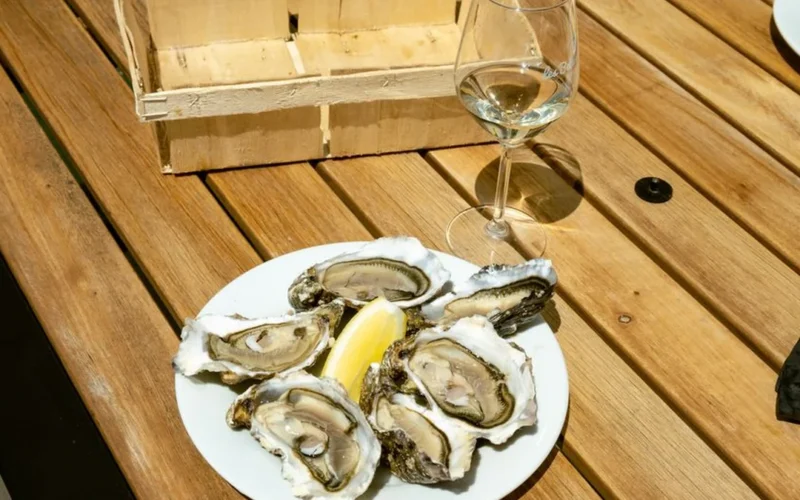
In the Loire Valley, much attention remains fixed on Sancerre, yet other appellations offer similar profiles without the inflated price tags. Brianna Ellis notes that Quincy was among the first French appellations to receive AOC status, providing vibrant citrus and minerality comparable to higher-priced neighbors. Francesco Grosso points to Menetou-Salon—specifically Paul-Henry Pellé’s ‘Morogues Blanchais’ 2023—noting its nuance derived from Kimmeridgian limestone. Even within the Sancerre name, Bodhi Landa argues that Sancerre mania has made the appellation’s name a substitute for exercising any real discernment and suggests Hippolyte Reverdy as a family domaine offering floral brightness and stony texture; it is an ideal match for oysters, fresh goat cheese, or simple green salads. For those seeking weight, Thomas Price recommends Domaine du Salvard Cheverny Blanc, which utilizes a 25 percent Chardonnay blend to build a savory, lemongrass-driven mid-palate.
Global Deviations in Style
Producers worldwide are also breaking the mold. In Styria, Austria, producers under the STK organization contend with high elevations and intense sun; Andrey Ivanov highlights Hannes Sabathi as a key producer capable of blending New Zealand aromatic intensity with Loire-style minerality. South Africa’s Elgin region offers another masterclass in restraint, where Cornelia Duchessa identifies the Paul Clüver Sauvignon Blanc 2025 as a premier example of balance, using a touch of Sémillon to add fullness and make it a beautiful companion to seafood.
Even unexpected territories are proving their mettle. Jill Weber champions Casa Jipi from Baja, Mexico, praising winemaker Lulu Martinez for producing a fuller, saline-driven wine with melon and jalapeño notes. Meanwhile, in the Pacific Northwest, Owen Perry finds depth in Pepper Bridge Winery’s offerings, while Prrateek Chaudhary looks to Sandy Cove in Marlborough for a tropical expression that pairs exceptionally well with Indian cuisine. From the coastal salinity of Mexico to the precision of South Africa, these bottles prove there is much to discover beyond the big names.
Do you find yourself sticking to established regions like Marlborough, or do you actively seek out lesser-known appellations?
Questions & Answers
What are some affordable alternatives to Sancerre Sauvignon Blanc?
Quincy and Menetou-Salon serve as excellent, more affordable alternatives to the famous Sancerre appellation in the Loire Valley. Quincy is a historic French appellation that offers vibrant citrus notes and high minerality similar to its more expensive neighbors. Another standout is Menetou-Salon, where producers like Paul-Henry Pellé create nuanced wines derived from Kimmeridgian limestone. These regions allow drinkers to experience the classic profiles of French Sauvignon Blanc without paying the inflated price tags often associated with the Sancerre name.
How does the style of Sauvignon Blanc differ in Styria, Austria?
Sauvignon Blanc from the Styria region of Austria combines intense aromatic qualities with distinct mineral characteristics. Producers in this area work with high elevations and intense sunlight to create unique profiles that deviate from traditional styles. For example, winemaker Hannes Sabathi is recognized for his ability to blend the high aromatic intensity typically found in New Zealand wines with the elegant minerality characteristic of the Loire Valley. This results in a versatile wine that reflects the specific climatic conditions of the Austrian landscape.
Which food pairings work best with floral Sauvignon Blanc?
Floral and stony Sauvignon Blanc styles pair exceptionally well with oysters, fresh goat cheese, or simple green salads. A producer like Hippolyte Reverdy offers a family domaine style that emphasizes these bright floral notes and textured mouthfeel. For those looking for a more tropical expression, such as the wines from Sandy Cove in Marlborough, the profile pairs beautifully with Indian cuisine. Choosing the right pairing depends on whether the wine leans toward delicate floral notes or bold, tropical fruit characteristics.
What makes Mexican Sauvignon Blanc unique compared to other regions?
Sauvignon Blanc from Baja, Mexico, is characterized by a fuller body and distinct saline-driven notes. Winemaker Lulu Martinez of Casa Jipi produces wines that feature unique flavor profiles including melon and jalapeño. This differs from the more common citrus or tropical expressions found in New Zealand or the Loire Valley. The coastal influence of the Mexican territory contributes to a saltier, more robust profile that offers a refreshing departure from the standard global styles of this grape variety.
Originally reported by VinePair.