First Crack

Mastering the light roast window on the Aillio Bullet R2

Mastering the light roast window on the Aillio Bullet R2

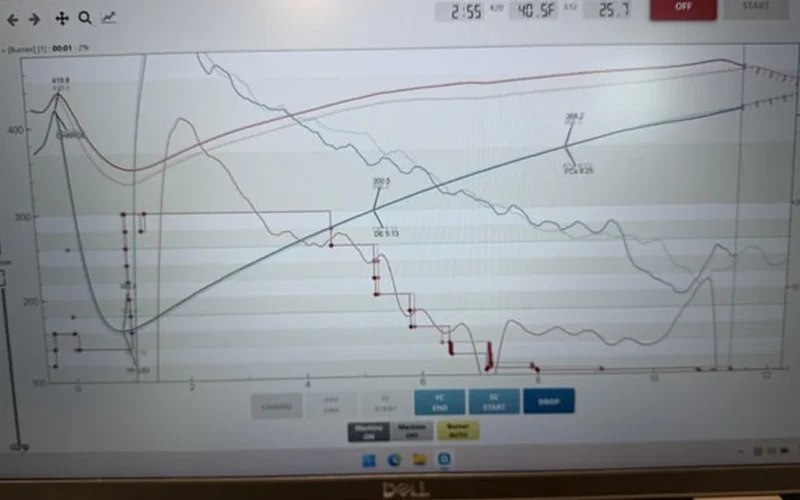
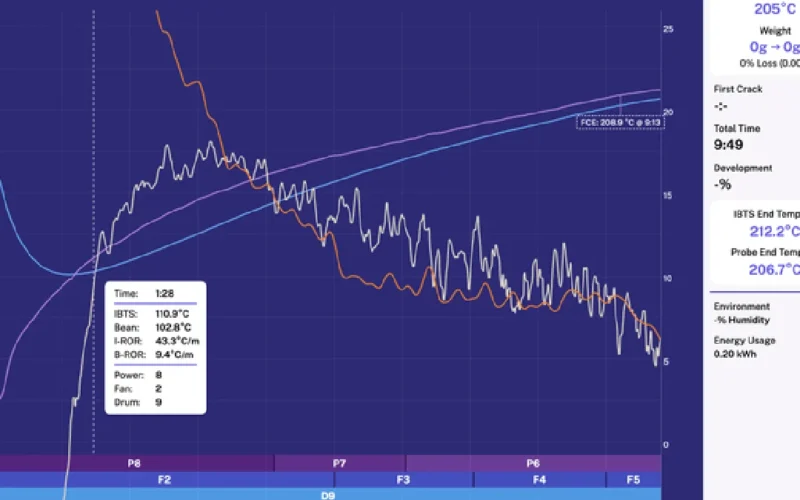
⏱ 2 min read The Short Version In specialty coffee, twenty seconds of development is the razor-thin margin between brilliance and mediocrity. Mastering the Aillio Bullet requires managing thermal momentum early in the roast to prevent being trapped by a window that closes in mere moments. In This Article The development time dilemmaManaging thermal momentum Precision in light roasting is measured in seconds, not minutes. When transitioning from a traditional drum roaster to the high-velocity thermal profile of an Aillio Bullet, that window of control becomes even more critical. Many roasters find themselves trapped in a frustrating development paradox where…
Read More
Kaleido M1 Pro Roast Two: Learning to Let the Heat Work

Kaleido M1 Pro Roast Two: Learning to Let the Heat Work

⏱ 2 min read The Short Version Roasting with the Kaleido M1 Pro is about letting heat work, not controlling it—second batch showed better development by trusting the process over cautious underfeeding. In This Article The First Roast: A Lesson in Underestimating HeatRoast Two: Building Momentum, Not Holding Back Get ready to sip on this: Roasting with the Kaleido M1 Pro isn’t about precision—it’s about mastering the interplay of heat and time. The second batch was a revelation, not just because it tasted better, but because it exposed how early heat control fails when you’re too cautious. The first roast…
Read More
Heat Spikes During Roasting? Here’s How to Master the Curve

Heat Spikes During Roasting? Here’s How to Master the Curve

⏱ 1 min read The Short Version Heat spikes during roasting are intentional, signaling key stages in bean development, not flaws—mastering them requires precision, not force. Roasters adjust curves and airflow to control spikes, reading them as milestones, not chaos. In This Article Understanding the Science of Heat SpikesAdjusting for Control, Not Chaos Heat spikes during roasting are not random fluctuations—they are critical indicators of the roast’s progression. For newcomers, the abrupt temperature rise after the first crack may seem erratic, but it is an essential phase in the roast curve. The Giesen and Artisan roasters are engineered for precision,…
Read More
First Roast Frustrations: A Home Roaster’s Temperature Dilemma

First Roast Frustrations: A Home Roaster’s Temperature Dilemma

⏱ 1 min read The Short Version First crack isn’t a sound—it’s the roaster’s first breath, signaling beans are awakening, not just a temperature reading. Bean temps can be 5–10°F higher than machine readings, making calibration and direct measurement key. In This Article The Roaster’s Silent SignalVerifying the Crack, Not the Gauge Real talk: Your first roast isn’t about speed—it’s about mastering the variables that shape the outcome. When you’re chasing that elusive 400°F mark with a Fresh Roast SR540, the numbers don’t lie. You’re not alone in wondering why your machine’s readout barely cracks 400°F, but the truth is,…
Read More