Tea Facts

Discover tea varieties, brewing techniques, and health benefits. From green tea to oolong and beyond.

Fire Garden’s Raw Puerh: A Yiwu Revelation

Fire Garden’s Raw Puerh: A Yiwu Revelation

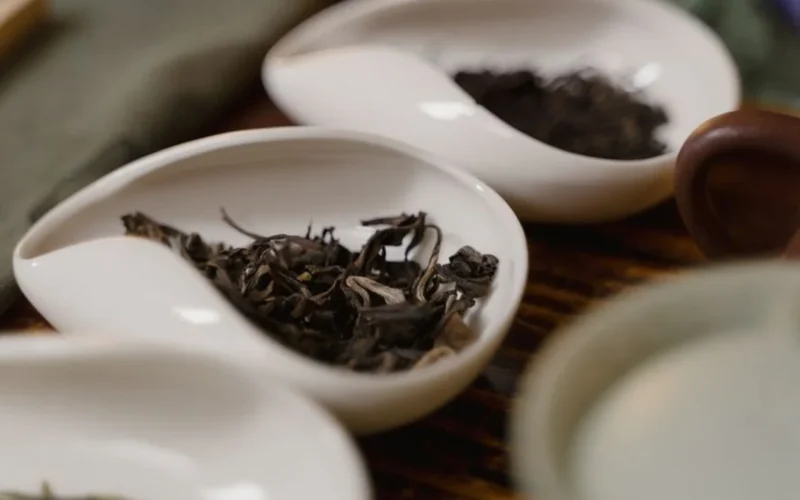
The verdict is in: This raw puerh is a revelation. Nestled in Zhangjiawan’s fertile soil, the 2025 "Fire Garden" raw puerh defies expectations with its bold yet refined character. While Yiwu sheng is often associated with crisp, cereal-forward profiles, this tea carves its own path—sweet, spicy, and unexpectedly layered. It’s the kind of tea that makes you pause between steeps, wondering how a single leaf can hold so much nuance. The first steep delivers a clean, almost translucent clarity. Light cereal notes mingle with a flash of citrus, but it’s the subtle leathery undertones that linger longest. This isn’t your…
Read More
The Must-Visit Tea Shops in Japan

The Must-Visit Tea Shops in Japan

Pour yourself a cup for this one: Japan’s tea shops are more than just places to sip—they’re cultural landmarks where tradition meets innovation. If you’re planning a trip, two spots stand out for their unique offerings and unforgettable experiences. LUPICIA is a revelation. This global brand has carved a niche by curating hundreds of teas from every corner of the world, from robust black teas to delicate Japanese greens. But in Japan, it’s a local treasure. The staff doesn’t just sell tea—they’re experts in pairing flavors with moments. Every visit starts with a sample of that day’s recommended brew, a…
Read More
Green Tea Has Lost Its Soul—Here’s Why

Green Tea Has Lost Its Soul—Here’s Why

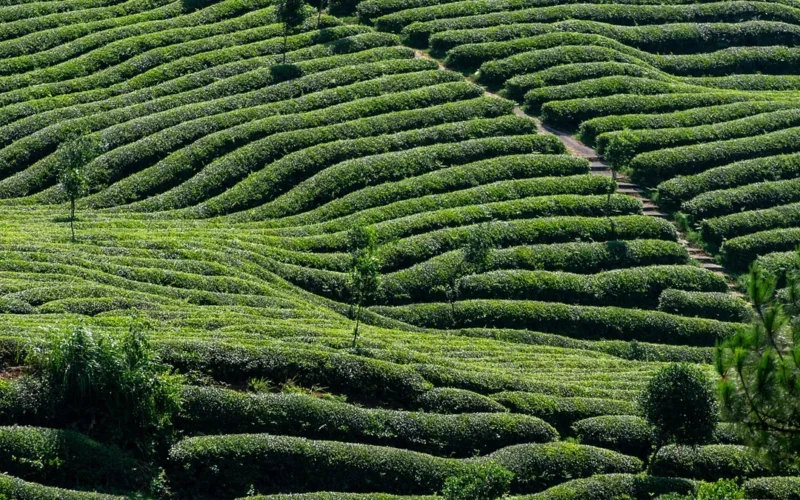
Let’s talk about the quiet crisis in green tea. This year, I poured through mountains of leaves—Bi Luo Chun, Shucheng Xiao Lan Hua, Anji Bai Cha, Longjing, Songzhen—each promised to be a revelation. But by season’s end, I was left with a hollow ache. Even the teas I once revered, like the floral Bi Luo Chun or the chestnut-kissed Anji Bai Cha, felt like carbon copies of one another. The problem isn’t just flavor; it’s identity. Green tea used to be a galaxy of distinct voices, each region and cultivar telling its own story. Now, it’s a monotonous chorus of…
Read More
The Mystery of the Pungent Tea Scent

The Mystery of the Pungent Tea Scent

Consider this your morning briefing: A tea that smells like yeba mate but stronger has left a brewer scratching their head. The tea in question—labeled “Red label tea” as Ceylon CTC—delivers a pungent, off-putting aroma that vanishes when brewed at lower temperatures. The question isn’t just about a weird smell; it’s about decoding how tea’s chemistry reacts to heat, time, and processing. CTC (Cut, Tear, Curl) tea is a powerhouse of flavor, but it’s not the same as orthodox leaf tea. Ceylon CTC is processed to maximize oxidation, creating a concentrated, bold profile. Yet this tea’s smell suggests something’s amiss.…
Read More
Yixing Yuan: A Tea House That Challenges the Way We Think About Tea

Yixing Yuan: A Tea House That Challenges the Way We Think About Tea

Pour yourself a cup for this one: A recent trip to Singapore’s Yixing Yuan revealed a tea house that’s less about ambiance and more about the quiet rebellion of value. This place doesn’t just sell tea—it interrogates the rituals around it. The first sip of their aged oolong was a revelation, but the real punch came when I noticed their accessories priced like luxury goods. A ceramic gaiwan that costs $80 in-store? You can find a comparable piece online for half that. It’s a reminder that the tea world often conflates cost with quality, and Yixing Yuan isn’t shy about…
Read More
The Kiwi Peel Tea That’s Changing How We Think About Waste

The Kiwi Peel Tea That’s Changing How We Think About Waste

There’s something brewing in the world of zero-waste cooking—and it’s not just about composting. A simple act of using kiwi peels in tea is sparking conversations about how far we can push the idea of “nothing left to throw away.” When I peeled a kiwi and tossed the scraps into hot water, the result wasn’t just a drink—it was a revelation. The flavor is light, with a tangy edge that lingers like a summer breeze. It’s not the kind of tea you sip for boldness, but for clarity—a reminder that even the smallest scraps can hold value. This approach echoes…
Read More
From War Zones to World Stage: The Rise of Dianhong

From War Zones to World Stage: The Rise of Dianhong

Here's something to stir your curiosity: a tea born from wartime urgency, now steeped in global prestige. In 1938, as Japan tightened its grip on eastern China, Feng Shaoqiu and a team of technicians arrived in Fengqing, Yunnan, to cultivate what would become China’s most iconic red tea: Dianhong. The choice of this remote mountain region wasn’t accidental. Its high altitudes, yellow soils, and wild tea bushes—15 clusters of ancient plants and 6 heirloom cultivars—provided the raw material for a tea unlike any other. From these leaves, Feng’s team engineered large-leaf cultivars with thick yellow fuzz, the hallmark of Dianhong’s…
Read More
Specialty: A Deep Dive into New Zealand’s Coffee Culture

Specialty: A Deep Dive into New Zealand’s Coffee Culture

If you’ve ever wondered how a single cup of coffee can carry the weight of a nation’s history, meet James Ladanyi. The director of Specialty, a four-part docuseries, spent years behind the espresso bar before turning his lens on the coffee world of Wellington, New Zealand. His journey—from barista to filmmaker—reveals a craft steeped in struggle, artistry, and quiet rebellion. The series isn’t just about beans; it’s about the people who shape the stories they brew. Ladanyi’s path to filmmaking was paved with coffee. After working as a barista during his undergraduate degree in Wellington and later while pursuing a…
Read More
Luxembourg’s Matcha Maven Launches a Green Haven for Coffee Connoisseurs

Luxembourg’s Matcha Maven Launches a Green Haven for Coffee Connoisseurs

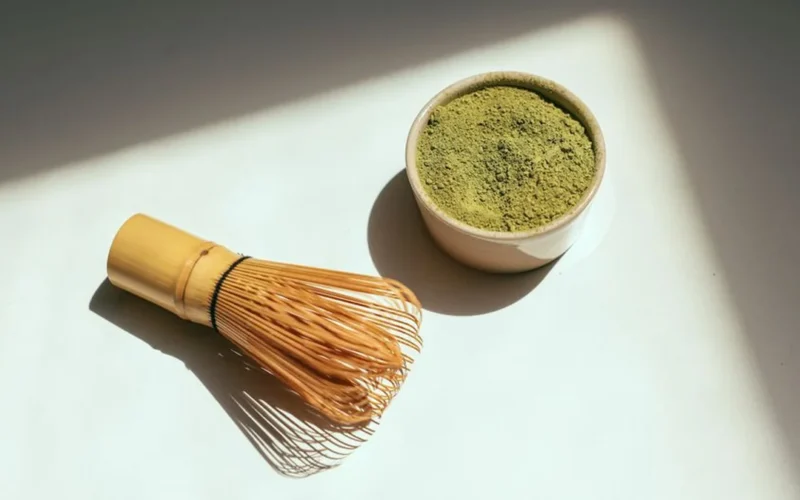
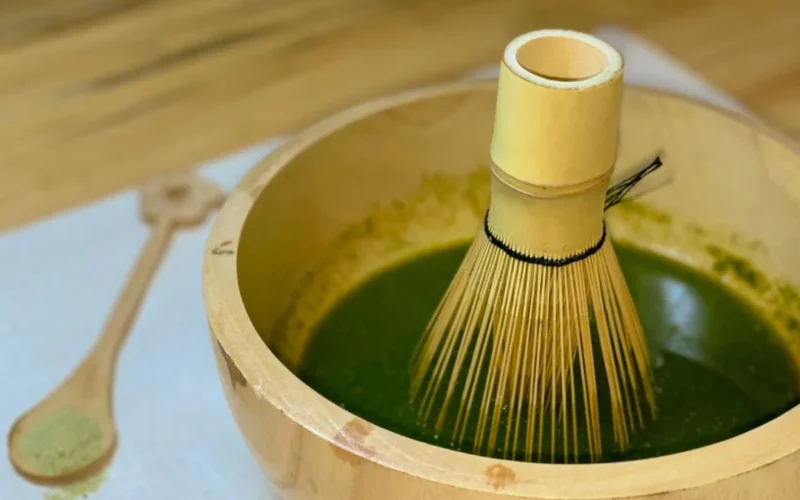
This is worth savoring: Junn Loh, the visionary behind Luxembourg’s beloved coffee chain Curiousbuds, has swapped beans for matcha, opening Matchalab in the capital. The new café isn’t just a trend—it’s a deliberate pivot, rooted in Loh’s decade-long obsession with quality and her belief that matcha’s ritualistic charm transcends its Instagram fame. “We’re not here to chase hype,” she says. “We’re here to serve a single cultivar, single origin matcha from Japan, made with intention.” Loh’s approach is as meticulous as it is unconventional. The café’s interior—soft greens, deep browns, and minimalist benches—was designed to foster connection, not just caffeine.…
Read More
California’s Tea Revolution: A New Crop for the Golden State

California’s Tea Revolution: A New Crop for the Golden State

Consider this your morning briefing: California’s agricultural landscape is about to shift. Tea—America’s second-most-consumed beverage—has never been grown domestically, despite its ubiquity in 80% of U.S. households. With over 160 million Americans sipping it daily, the $6 billion annual import bill could be a missed opportunity. Enter Atef Swelam, director of UC Kearney Agricultural Research and Extension Center, who’s betting California’s climate can turn this global demand into a local boom. The Central Valley’s unique microclimate, with its warm days and cool nights, is ideal for tea cultivation. As the Sustainable Groundwater Management Act forces farmland retirement, Swelam sees tea…
Read More