⏱ 1 min read
The Short Version
A Southern Oregon vineyard now adds a disclaimer to its orange wine, clarifying it’s made from grapes, not oranges, amid consumer confusion and evolving beverage terminology. The term “orange wine” sparks debate as it blurs traditional definitions.
Federal regulators compelled a Southern Oregon vineyard to include a disclaimer on its orange wine following concerns that consumers might confuse it with a fruit-based beverage. Dos Mariposas Vineyards, renowned for its lavender fields, now labels its sparkling Mariposa Naranja with a detailed clarification: “This wine is made from grapes, not oranges.” The term “orange wine” has sparked a broader debate about how beverage terminology is evolving, often leaving consumers in the dark.
We finally came upon a solution,” she said, referring to the lengthy disclaimer now required on the label.
Fermentation’s Unlikely Detour
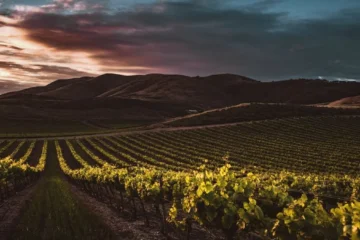
Orange wine’s rise transcends aesthetics, marking a strategic shift in winemaking that merges tradition with innovation. For Terri Rennick-Deering, the vineyard’s founder, the process was an experiment rooted in risk. Relocating from Minnesota to Southern Oregon with no farming background, she embraced the challenge of cultivating a vineyard in a climate she describes as “Southern France meets Oregon.” The result is a sparkling wine that defies conventional expectations—bright, earthy, and acidic—yet necessitated a federal disclaimer to define its origins.
Lavender, Wine, and the Art of Sipping
Beyond the wine, the vineyard thrives on its lavender fields, which flourish in a climate Rennick-Deering calls “Southern France meets Oregon.” Lavender’s adaptability—culinary, aromatic, wellness-focused—complements wine seamlessly, as seen in the Mimosa-posa, a fusion of sparkling wine and lavender lemonade. The Lavender Festival in June and July transforms the property into a sensory haven, offering U-pick bundles, live music, and oil distillation demos. Rennick-Deering describes the experience as “relaxing,” with bees flitting among the purple blooms.
We finally came upon a solution,” she said, referring to the lengthy disclaimer now required on the label. What happens when innovation outpaces clarity? How do you balance creativity with the need to inform?
Questions & Answers
Why did the Southern Oregon vineyard add a disclaimer to its orange wine?
The vineyard added a disclaimer to clarify that its orange wine is made from grapes, not oranges. Federal regulators required this to prevent consumer confusion with fruit-based beverages. The term "orange wine" has led to misunderstandings, prompting the need for clear labeling.
How does the fermentation process of orange wine differ from traditional wine?
Orange wine’s fermentation process involves using white grape varieties and allowing them to sit on their skins longer, which imparts a unique earthy and acidic profile. This method diverges from traditional winemaking, resulting in a sparkling wine that defies conventional expectations.
What role does lavender play at the Southern Oregon vineyard?
Lavender plays a significant role at the vineyard, both in cultivation and product offerings. The lavender fields complement the wine, with products like the Mimosa-posa, a blend of sparkling wine and lavender lemonade. The Lavender Festival showcases the plant’s versatility in culinary, aromatic, and wellness contexts.
How did the vineyard address the challenge of consumer confusion with its product?
The vineyard addressed the confusion by adding a detailed disclaimer on its label, stating, “This wine is made from grapes, not oranges.” This solution was a result of extensive discussion and reflects the balance between innovation and the need for consumer clarity.
Originally reported by Jefferson Public Radio.