Terroir Influence

Puer Tasting — Why the Bitterness Isn’t a Flaw

Puer Tasting — Why the Bitterness Isn’t a Flaw

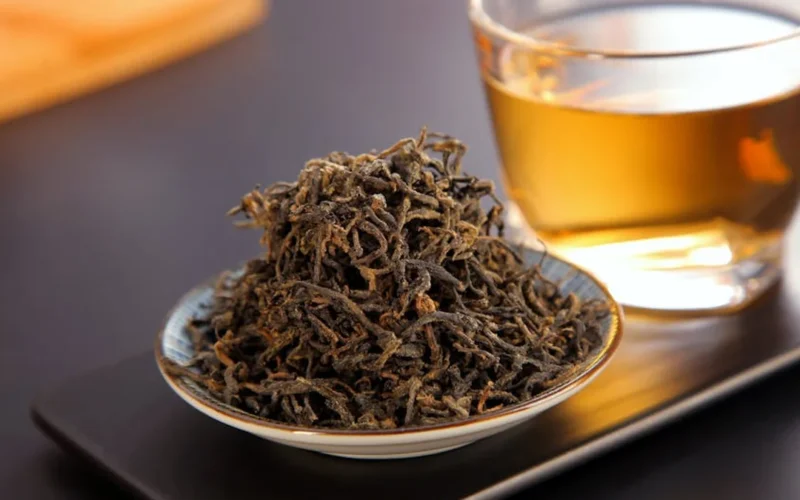
⏱ 1 min read The Short Version Puer tea’s bitterness isn’t a flaw—it’s a deliberate part of its terroir and aging process, reflecting its history and craftsmanship. The key is understanding bitterness as a stage in the tea’s evolution, not a defect to avoid. In This Article The Line Between Defect and DesignAging as a Language Puer tea’s earthy, smoky notes aren’t flaws—they’re markers of its terroir and processing. If you’re recoiling at damp wood, tobacco, or astringency, you’re not alone. But dismissing the style outright misses the point: these flavors are deliberate, not defects. The question isn’t whether you…
Read More
Aged Lapsang Souchong: Is Time a Virtue or a Mistake?

Aged Lapsang Souchong: Is Time a Virtue or a Mistake?

⏱ 1 min read The Short Version Aged Lapsang Souchong evolves from sharp smokiness to refined depth, revealing layers of caramel and spice over time, but requires careful storage to avoid staleness. Its aging paradox defies green tea norms, offering a layered narrative with proper care. In This Article Smoke, Time, and TerroirThe Paradox of Aged Black Tea Here's something to intrigue: Lapsang Souchong’s smoky character is forged by fire, yet its evolution over time is just as critical. When you choose a 2021 or 2023 vintage from Yunnan Sourcing, you’re not just purchasing tea—you’re investing in a dynamic interplay…
Read More
Provence Rosé: Terroir, Technique, and the Quiet Evolution of a Global Benchmark

Provence Rosé: Terroir, Technique, and the Quiet Evolution of a Global Benchmark

⏱ 1 min read The Short Version Provence rosé is evolving beyond its sun-soaked stereotype, with terroir-driven complexity and a shift toward gastronomy redefining its role in global wine culture. In This Article Terroir as the FoundationThe Shift to Gastronomy and Sustainability Real talk: Provence is more than a sun-drenched stereotype. Beneath its iconic rosé lies a complex interplay of terroir, technique, and vision that’s quietly reshaping the category. The standard narrative—fresh, easy, and summery—oversimplifies a region where elevation, soil, and climate converge to produce a range of styles, from bright acidity to rich, layered complexity. If Provence is the…
Read More
Paumanok’s 2023 Cabernet Franc Defies Seasonal Limits

Paumanok’s 2023 Cabernet Franc Defies Seasonal Limits

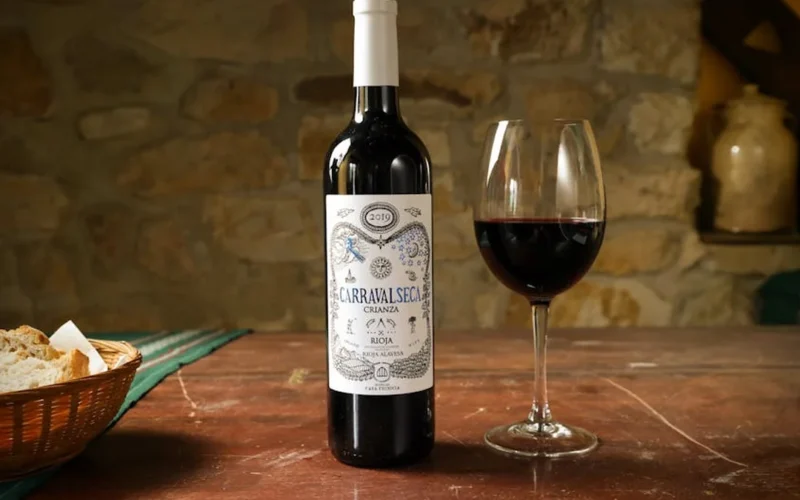
⏱ 1 min read The Short Version A $36 Paumanok Cabernet Franc defies its price with bold, nuanced flavors and versatility, proving it’s a steal that ages beautifully. In This Article Versatile by DesignA Bargain That Ages Well A single bottle of Paumanok’s 2023 Cabernet Franc transformed my evening routine into a ritual. The first sip revealed a wine that defied its modest price tag—dark, earthy, and unexpectedly nuanced. Notes of charred candied dark cherry, black licorice, and a whisper of tobacco unfurl with grace, while the mid-palate erupts with fresh red berries and a touch of graphite. It’s a…
Read More
Smokey Puer: A First-Time Taster’s Dilemma

Smokey Puer: A First-Time Taster’s Dilemma

⏱ 1 min read The Short Version Smokey puer isn’t a flaw—it’s a signature of its origin and processing, revealing the tea’s journey through earthy, campfire-like notes. Newcomers often mistake smokiness for a defect, but it’s a testament to terroir, aging, or intentional crafting. In This Article The Alchemy of SmokeBrewing for Balance The verdict is clear: Puer’s campfire aroma isn’t a flaw—it’s a signature of its origin and processing. When you steep raw puer, the smokiness isn’t a mistake; it’s a fingerprint of its history. But for newcomers, that earthy, almost charred note can feel jarring. The user’s question—“Did…
Read More