

⏱ 2 min read
The Short Version
North Africa’s coffee scene is evolving from tradition to trend, with young consumers reshaping the culture into a curated lifestyle, fueled by economic growth and a demand for quality and innovation.
North Africa’s coffee culture is undergoing a seismic shift, driven by a new generation that’s redefining how coffee is consumed, sourced, and celebrated. Younger consumers are transforming coffee from a daily ritual into a curated experience, while the region’s economic momentum is fueling a specialty coffee movement that’s reshaping local and global markets. Once dominated by traditional brews like qahwa and Turkish-style coffee, North Africa is now a dynamic space where heritage and innovation intersect.
We are moving from copying global trends to building our own identity.
A Shift from Ritual to Refinement
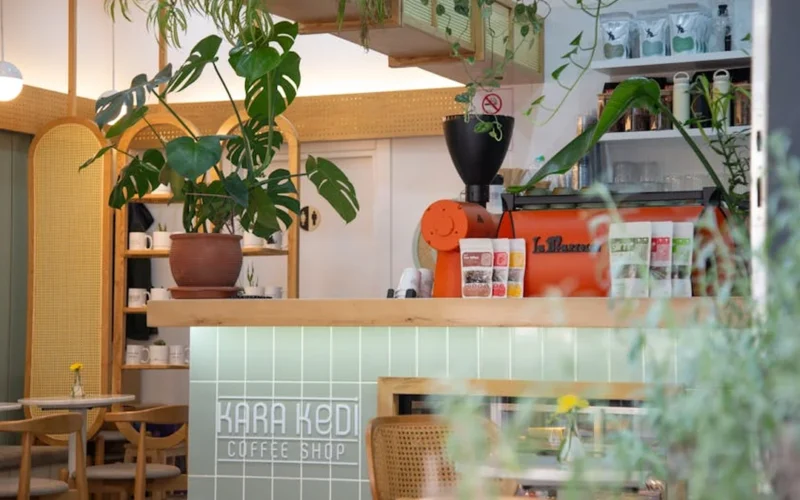
In Cairo, Marrakech, and Tunis, coffee is no longer just a drink—it’s a cultural statement. “North Africans under 35 don’t see coffee as a commodity anymore. They see it as a lifestyle signal,” say Omar Abdalla and Medhat Hassanein, co-founders of Brown Nose Coffee. This shift is evident in the demand for precision, from single-origin beans to cold brews and pour-over techniques. With North Africa’s economy growing at a 5.2% annual rate in 2025—the fastest in the region—middle-class consumers are investing in quality, not just quantity. Cafés are evolving into storytelling spaces, where design, social media engagement, and limited-edition drinks cultivate loyalty. The movement is both global and deeply local, as North African roasters are reinterpreting traditional methods through a modern lens.
Equipment as a Marker of Change
Professional-grade equipment is another signpost of the region’s transformation. In Egypt and Morocco, high-end espresso machines and grinders are no longer luxury items—they’re essential tools. “An educated customer chooses a shop based on the visible quality of its machinery,” Omar and Medhat explain. This reflects both rising barista skill and consumer discernment. Economic liberalization in Egypt has allowed independent roasters to scale, while Tunisia and Morocco’s local roasters are gaining traction. Events like the 2025 Egypt Coffee Festival, which drew World Barista Champions, are turning coffee into a craft, not just a commodity. The Global Coffee Awards’ expansion into MENA in 2026 further validates the region’s growing influence.
We are moving from copying global trends to building our own identity. North Africa isn’t just drinking specialty coffee—it’s starting to define it. With direct trade relationships, traceability, and a focus on quality, the region is carving its own path. Meanwhile, diaspora communities are amplifying this shift, bringing North African coffee culture to global markets and influencing international trends. As the region’s coffee movement matures, how will this evolution reshape the global coffee map? What role will North Africa play as the industry’s next frontier?
Questions & Answers
How is North Africa’s coffee culture evolving?
North Africa’s coffee culture is evolving from traditional rituals to curated experiences. Younger consumers view coffee as a lifestyle statement, favoring single-origin beans, cold brews, and pour-over techniques. Cafés now focus on design, social media, and limited-edition drinks, blending heritage with modern innovation.
Why are young North Africans redefining coffee consumption?
Young North Africans are redefining coffee consumption as a cultural statement and lifestyle choice. They prioritize quality over quantity, investing in specialty coffee that reflects their tastes and values. This shift is driven by economic growth and a desire for refined, personalized coffee experiences.
What role do coffee events play in North Africa’s coffee scene?
Coffee events like the 2025 Egypt Coffee Festival play a key role in showcasing North Africa’s growing specialty coffee movement. These events attract global experts and highlight local roasters, fostering connections between regional traditions and international trends. They also elevate the profile of North African coffee on the global stage.
How is coffee equipment changing in North Africa?
Coffee equipment in North Africa is shifting from basic to professional-grade tools. High-end espresso machines and grinders are now common, signaling rising barista skills and consumer demand for quality. This trend reflects economic growth and a focus on precision in coffee preparation.
Originally reported by Perfect Daily Grind.

[…] someone feel, not just how it’s made. The way we describe coffee shapes how people experience it. Coffee culture is becoming increasingly visual and trend-driven. Defne sees this as both an opportunity and a […]
[…] talk: Specialty coffee isn’t just about beans anymore. It’s about strategy. North Roast Coffee Roasters, a Kingston, […]