⏱ 1 min read
The Short Version
Forget lightweight Northeast Italian whites; Bressan’s 2021 Carat trades breezy fruit for the structural gravity of an aged Burgundy. Through years of lees aging in Slavonian oak, this blend delivers a dense, sophisticated profile of black tea and dried apricot.
In This Article
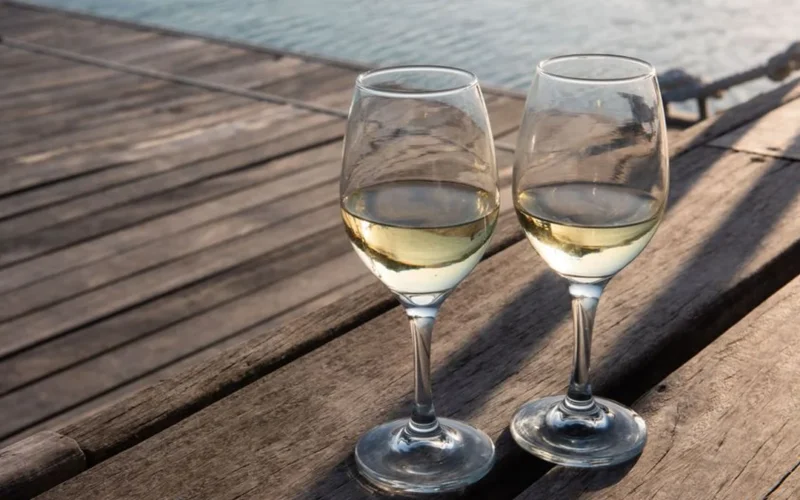
This is worth savoring: some wines defy the lightweight expectations often placed on white blends from Northeast Italy. Bressan’s 2021 Carat is an exercise in patience and structural depth, born from a late harvest of Friulano, Malvasia, and Ribola Gialla. By eschewing quick production cycles for a prolonged aging process, Bressan has crafted something that feels more akin to an aged white Burgundy than a standard regional blend.
The liquid presents a concentrated profile of orange peel, black tea, and dried herbs.
Extended aging builds complexity
The winemaking process here is intentionally slow. After a stainless steel fermentation lasting nearly a month, the wine moves into a massive 2,000-liter Slavonian oak barrel. It spends three to four years aging on the lees, benefiting from regular batonnage to build texture and weight. This lengthy contact with both wood and sediment transforms the fruit profile into something far more sophisticated than mere primary aromatics. The liquid presents a concentrated profile of orange peel, black tea, and dried herbs.
Texture versus brightness
On the palate, the Carat offers a rich, medium-bodied experience marked by notes of sweet, cloying dried apricots. While the wine achieves a remarkable level of elegance through its varied layers, it leans heavily into its density. The finish is substantial, though there is a noticeable trade-off in the balance of tension. A sharper acidity might have provided the necessary lift to extend the conclusion, but even without that piercing edge, the wine remains exceptionally well-made. Its strength lies in its ability to feel both varied and deeply integrated. Do you prefer your white blends to lean toward bright acidity or textural weight?
Questions & Answers
What grape varieties are used in Bressan Carat 2021?
The Bressan Carat 2021 is crafted from a blend of Friulano, Malvasia, and Ribola Gialla grapes. These varieties undergo a late harvest to help achieve the wine's characteristic structural depth. By combining these specific regional grapes, the winemaker creates a white blend that defies the typical lightweight expectations often associated with wines from Northeast Italy. This selection of grapes serves as the foundation for the wine's sophisticated and concentrated flavor profile.
How does the aging process affect the texture of Bressan Carat?
The aging process builds significant texture and weight through extended contact with both wood and sediment. After a month of stainless steel fermentation, the wine spends three to four years aging on the lees within a massive 2,000-liter Slavonian oak barrel. Regular batonnage during this period further enhances the mouthfeel. This intentional, slow winemaking approach transforms the wine from a simple fruit-driven blend into a complex liquid with a rich, medium-bodied experience.
What are the primary flavor notes found in Bressan Carat 2021?
Bressan Carat 2021 features a concentrated profile consisting of orange peel, black tea, and dried herbs. On the palate, drinkers will also notice distinct notes of sweet, cloying dried apricots. These sophisticated flavors emerge as a result of the long aging process in Slavonian oak barrels. The combination of these specific aromatic elements provides a sense of varied layers that makes the wine feel much more complex than a standard regional white blend.
Why might some critics find the balance of Bressan Carat lacking?
Some may find the balance lacking because the wine leans heavily into its density and lacks a sharp, piercing acidity to provide lift. While the wine is remarkably elegant and well-integrated, the substantial finish lacks the necessary tension that higher acidity would offer. This trade-off means the wine prioritizes textural weight over brightness. Without a sharper acidic edge to extend the conclusion, the wine remains dense rather than having a highly lifted or vibrant finish.
Originally reported by Reddit Wine.