

⏱ 1 min read
The Short Version
Ditch the caffeine and reach for a tart hibiscus infusion to potentially drop systolic blood pressure by nearly 8 mmHg. This polyphenol-rich ritual helps relax blood vessels, though consistency is key—and you should always consult your doctor if you're already on hypertension medication.
In This Article
This might just change your routine: if you are looking for a functional beverage that doubles as a tart, refreshing ritual, hibiscus tea is worth a look. While often overshadowed by green tea, this caffeine-free infusion—known variously as roselle or sorrel—is gaining traction among dietitians for its specific cardiovascular potential. It isn’t a magic bullet, but it offers a unique chemical profile that targets vascular health.
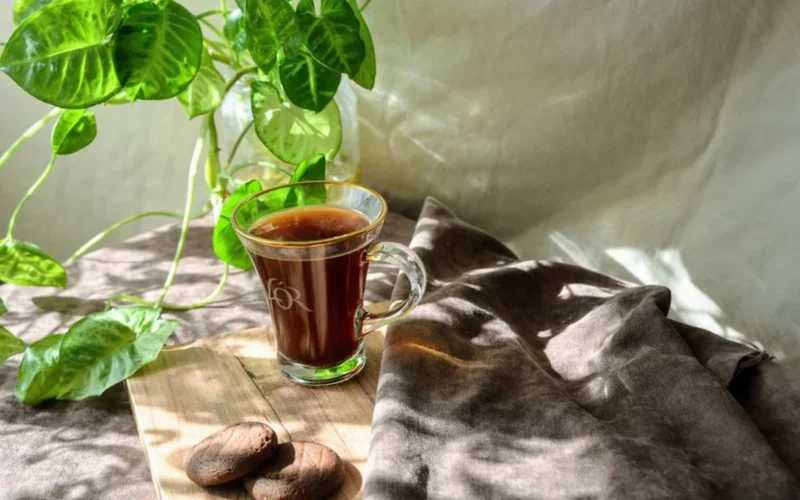
Hibiscus contains natural plant compounds called anthocyanins and polyphenols that may help blood vessels relax and widen.
The science of relaxation
The primary mechanism behind hibiscus tea’s efficacy lies in its high concentration of anthocyanins and polyphenols. These plant compounds work together to help blood vessels relax and widen, which facilitates smoother blood flow. Additionally, some evidence suggests the tea may inhibit angiotensin-converting enzyme (ACE), an enzyme responsible for tightening blood vessels. Hibiscus contains natural plant compounds called anthocyanins and polyphenols that may help blood vessels relax and widen. This dual action helps maintain healthy vascular tone without the need for caffeine.
Real-world impact
Clinical observations suggest that the benefits are most pronounced in individuals already dealing with hypertension. One review of twelve studies indicated that consuming roughly one gram of hibiscus daily for over four weeks could lead to an average 7.9 mmHg decrease in systolic blood pressure. To maximize these effects, experts suggest a consistent habit rather than sporadic consumption. Drinking between one and three eight-ounce cups per day appears to be the sweet spot for those seeking meaningful reductions.
However, caution is necessary if you are already managing your numbers with prescription drugs. Because hibiscus can naturally lower pressure, combining it with diuretics or ACE inhibitors might cause levels to drop too low. It should always be viewed as a supportive element within a broader lifestyle—one that includes sleep, movement, and a nutrient-dense diet—rather than a replacement for medical intervention. For the best extraction, steep dried flowers in boiling water for five to ten minutes to ensure those beneficial polyphenols actually make it into your cup.
Do you incorporate functional herbal teas into your daily wellness routine?
Questions & Answers
How does hibiscus tea help lower blood pressure?
Hibiscus tea helps lower blood pressure by utilizing high concentrations of anthocyanins and polyphenols to relax and widen blood vessels. This process facilitates smoother blood flow throughout the body and supports healthy vascular tone. Additionally, specific plant compounds in the infusion may inhibit angiotensin-converting enzyme, which is an enzyme responsible for tightening blood vessels. By addressing these two mechanisms, the tea provides a natural way to support cardiovascular health without the use of caffeine.
What is the recommended amount of hibiscus tea for blood pressure support?
The recommended amount for meaningful blood pressure support is between one and three eight-ounce cups per day. To see effective results, experts suggest maintaining a consistent daily habit rather than consuming it sporadically. Clinical reviews indicate that consuming roughly one gram of hibiscus daily for more than four weeks can lead to an average decrease of 7.9 mmHg in systolic blood pressure. Consistency is key to maximizing the potential cardiovascular benefits of this herbal infusion.
Why should people on blood pressure medication be careful with hibiscus tea?
People taking prescription medications should be cautious because hibiscus tea can naturally lower blood pressure, potentially causing levels to drop too low when combined with certain drugs. Specifically, combining the tea with diuretics or ACE inhibitors may lead to an additive effect that decreases pressure excessively. Because of this interaction, hibiscus should be viewed as a supportive element within a broader lifestyle rather than a direct replacement for medical intervention or prescribed pharmaceutical treatments.
How do you prepare hibiscus tea to get the most health benefits?
To achieve the best extraction of beneficial compounds, you should steep dried hibiscus flowers in boiling water for five to ten minutes. This specific steeping time ensures that the polyphenols and anthocyanins are properly released into your cup. Proper preparation is essential because these plant compounds are responsible for helping blood vessels relax and widen. Taking this extra time during your tea ritual helps maximize the functional potential of the beverage for cardiovascular support.
Originally reported by EatingWell.

[…] Beach, where the focus remains on freshness and small-batch hospitality. Whether it is a custom herbal blend or a daily-baked scone, these establishments treat tea as a communal anchor rather than a quick […]