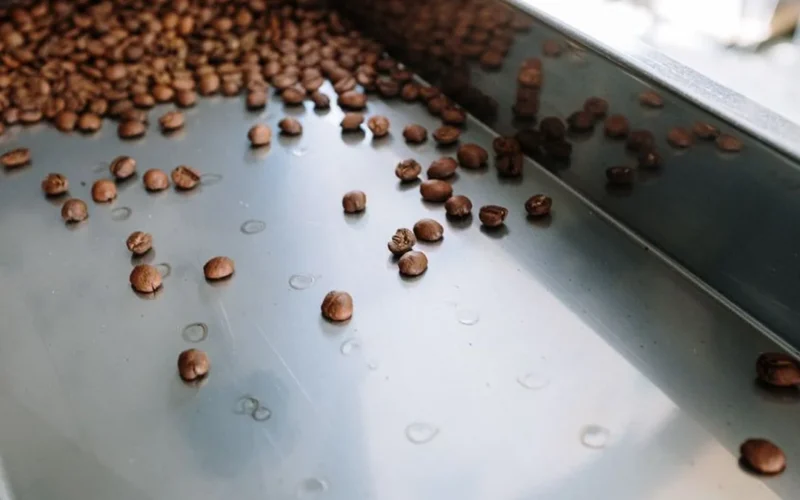
Fluid bed roasting preserves bean moisture, making it feel finer even with the same grind. Your setup isn’t the issue—it’s the roast’s unique extraction needs demanding a different grind.
Light roasts can deliver thick bodies through precise extraction, not darkness. The key lies in balancing timing and temperature to dissolve sugars without scorching.
Anaerobic fermentation is turning coffee into a flavor experiment, producing tropical fruit and stone fruit notes that defy traditional profiles. This silent science is redefining what coffee can taste like—without oxygen, but with precision.
Users with precision gear and perfect setups still feel their coffee falls short, yet their brews rival professional cafes. The real magic isn’t in the numbers—it’s in the ritual and the joy of a cup that simply feels right.
Yemeni coffee once defined the global drink, with rich earthy flavors and winey acidity, yet today it faces crisis from instability and drought. From Thailand’s rising arabica to Vietnam’s vast plantations, Asia’s coffee story is rewriting the global narrative.
Ethiopia’s coffee forests hold 99% more genetic diversity than the rest of the world, shaping wild, heirloom varieties that define its flavor. A ceremonial brew takes an hour, blending roasting, grinding, and brewing by hand into an act of respect and connection.
Wine’s polyphenols, like resveratrol, may slow aging and protect hearts—but its true power lies in centuries of ritual and shared tradition. Science reveals potential, but culture turns wine into more than a drink—it becomes a bridge between generations.
Low-alcohol wine caused hospitalizations due to biogenic amines, not alcohol. The industry hides these risks behind “clean” labels, ignoring science and regulation.
Lake Garda’s Lugana DOC produces white wines unlike any other, with saline brightness and mineral clarity from a grape once mistaken for Trebbiano. These complex, textural wines defy expectations, offering depth and balance that outshine mainstream Italian whites.
Hawke’s Bay’s volcanic soils and ocean breezes collide to create wines that are both bold and restrained. Syrah here develops white pepper and violet notes, while Chardonnay balances creaminess with bright acidity.