⏱ 1 min read
The Short Version
Stop chasing vintage Super Tuscans and start leveraging salt, fat, and temperature to elevate your budget pours. Pairing affordable Sangiovese with Parmigiano Reggiano or chilling it slightly transforms thin acidity into a sublime, luxury sensory experience.
In This Article
This is worth savoring: you do not need a massive cellar to enjoy a moment of genuine culinary transport. While many enthusiasts chase high-priced labels, there is a distinct joy in making an affordable bottle perform well above its weight class.
The power of pairing
A ten-dollar bottle of Roccalta or a simple Sangiovese might lack the complexity of a vintage Super Tuscan, but it possesses a reliable foundation of dry acidity. [The salt and fat of the charcuterie act as a structural bridge, turning that sharp acidity into a lush, mouthwatering sensation.] By leaning into these elements, you can transform a basic pour into something that feels intentional and sophisticated. It is less about the price tag on the cork and more about how the liquid interacts with your plate.
Strategic simplicity
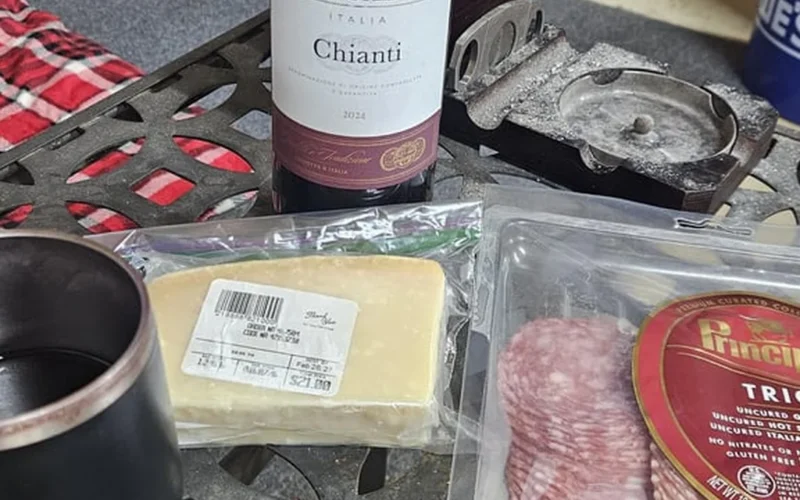
The secret to this upgrade lies in high-impact ingredients like Parmigiano Reggiano and uncured salami. These components provide a heavy hit of salt and fat that grounds the bright notes of a lower-tier red. To push it even further, try serving your budget Chianti with a slight chill—about twenty minutes in the fridge. That extra crispness tightens the wine’s profile, making it stop tasting thin and start feeling sublime. You are essentially using temperature and texture to fill the gaps that an expensive producer would have handled with oak or aging.
This strategy delivers a luxury sensory experience without the luxury price tag. It turns a casual evening into a sun-drenched Tuscan escape, minus the flight. Instead of mourning the lack of a premium label, focus on the synergy between the acidity in the glass and the richness on the board.
Do you have a favorite way to make an affordable bottle taste expensive?
Questions & Answers
How can you make inexpensive red wine taste better?
You can elevate budget red wines by pairing them with high-impact ingredients that feature significant salt and fat content. Using savory items like Parmigiano Reggiano or uncured salami creates a structural bridge between the food and the drink. The richness of these foods interacts with the dry acidity found in affordable bottles like Sangiovese to create a more lush and mouthwatering sensation. This strategic synergy allows a simple pour to feel much more intentional and sophisticated than its price tag suggests.
What is the best temperature for serving budget Chianti?
The best way to serve a budget Chianti is with a slight chill by placing it in the refrigerator for about twenty minutes before drinking. This small adjustment in temperature helps to tighten the wine's overall profile and prevents it from tasting thin on the palate. By utilizing temperature to add crispness, you can effectively fill the structural gaps that more expensive producers typically address through long aging processes or heavy oak treatments.
Why does pairing salt and fat work with acidic red wines?
Pairing salt and fat with acidic red wine works because these elements act as a bridge that transforms sharp acidity into a lush sensation. Ingredients such as charcuterie provide the heavy hits of salt and richness needed to ground the bright notes of lower-tier reds. Instead of the acid feeling harsh, the fats from the food interact with the liquid to create a balanced and luxurious mouthfeel. This interaction turns a basic wine experience into something that feels much more complex.
How do high-impact ingredients affect the flavor of affordable wines?
High-impact ingredients like Parmigiano Reggiano and uncured salami improve affordable wines by providing necessary salt and fat to balance acidity. These components ground the bright, sharp notes often found in inexpensive bottles such as Roccalta or Sangiovese. By focusing on the synergy between the richness of the food and the acidity in the glass, you can create a luxury sensory experience. This method allows budget labels to perform well above their actual price class during a meal.
Originally reported by Reddit Wine.