⏱ 1 min read
The Short Version
While neighboring Volnays might collapse into weak Ribena after an hour of aeration, Dubreuil-Fontaine’s Corton thrives through deliberate, architectural grace. It trades flabby volume for a driving, linear intensity, leveraging limestone-driven mineral backbone to maintain tension from the first sip to the last.
In This Article
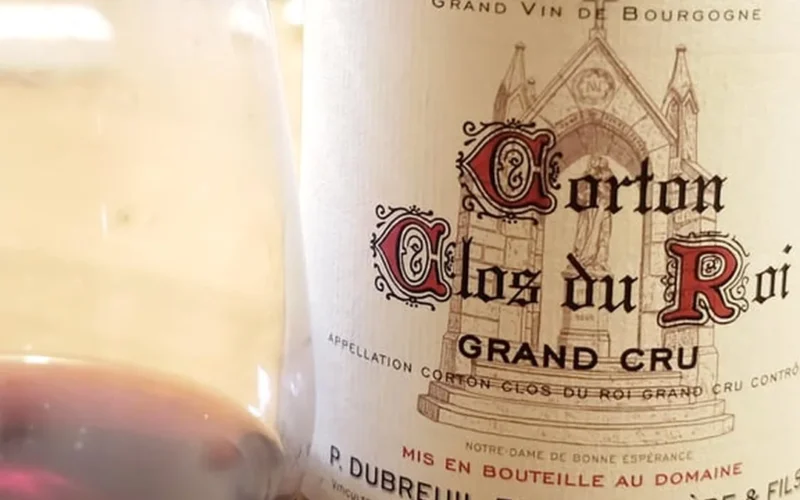
The verdict is in: Corton possesses a structural integrity that many neighboring appellations lack. While a nearby 2008 Volnay might collapse into something resembling weak Ribena after an hour of aeration, the 2007 P.Dubreuil-Fontaine Père & Fils ‘Clos du Roi’ Grand Cru holds its ground with remarkable poise. It does not merely survive the decanting process; it unfolds with a deliberate, measured grace.
The palate initiates with a delicate fruit sweetness before transitioning into a complex, savory depth.
Structural superiority in Burgundy
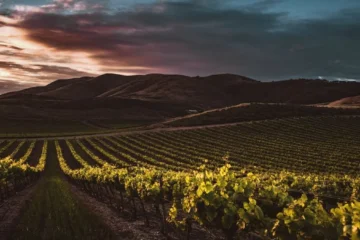
The sensory profile of this Clos du Roi is defined by a clean, sophisticated nose that avoids common pitfalls of over-ripeness. Expect an elegant layering of dark red fruit underscored by savory elements like charcuterie and subtle smoke. This architectural strength is no accident; the site’s limestone-heavy soils and optimal mid-slope exposure grant the vines a mineral backbone that smaller, lower-lying plots simply cannot replicate. The palate initiates with a delicate fruit sweetness before transitioning into a complex, savory depth. This evolution is essential for a wine that maintains its tension from the first sip to the final drop.
Precision over breadth
Unlike wines that rely on sheer volume or broad, flabby textures, this Corton delivers a driving and linear experience. It maintains a focused intensity throughout, ensuring every layer of flavor remains tightly integrated. The acidity remains soft yet functional, supported by fine tannins that provide a seamless, polished framework. This results in a persistent finish characterized by remarkable clarity and length.
For those navigating the complexities of Burgundy, this bottle serves as a reminder that longevity and linearity are often more rewarding than immediate, fleeting fruit bombs. It is a wine of substance that rewards patience and careful timing.
Do you prefer a Pinot Noir that hits with immediate fruit or one that reveals its savory secrets slowly?
Questions & Answers
What are the tasting notes for Dubreuil-Fontaine Corton Clos du Roi?
The tasting profile of this wine features a clean and sophisticated nose characterized by elegant layers of dark red fruit. These fruity elements are underscored by savory notes including subtle smoke and charcuterie. On the palate, the experience begins with a delicate fruit sweetness that transitions into a complex savory depth. This evolution ensures the wine maintains its tension throughout the tasting experience while offering a persistent finish defined by remarkable clarity and length.
Why does Dubreuil-Fontaine Corton have such strong structural integrity?
The structural superiority of this Corton is primarily driven by the specific characteristics of its vineyard site. The vines benefit from limestone-heavy soils and optimal mid-slope exposure, which provide a distinct mineral backbone. This geological foundation allows the wine to achieve an architectural strength that many neighboring appellations lack. Unlike wines that rely on broad textures, this combination of soil and slope creates a driving and linear experience with fine tannins and integrated flavors.
How does the texture of Dubreuil-Fontaine Corton compare to other Burgundy wines?
This Corton delivers a focused and linear experience rather than relying on sheer volume or broad, flabby textures. While some nearby wines might lose their structure during aeration, this wine maintains its poise through a polished framework of fine tannins. The acidity remains soft yet functional, ensuring the layers of flavor stay tightly integrated. This precision results in a wine of substance that prioritizes longevity and tension over being an immediate or fleeting fruit bomb.
What makes the Clos du Roi Grand Cru resilient during decanting?
The Clos du Roi Grand Cru is resilient during the decanting process because it unfolds with a deliberate and measured grace rather than collapsing. Its structural integrity allows it to hold its ground and maintain complexity as it aerates. Instead of losing its shape, the wine uses the time to reveal its sophisticated layers of dark fruit and savory elements. This capacity for graceful evolution makes it a wine that rewards patience and careful timing from the first sip.
Originally reported by Reddit Wine.