
⏱ 1 min read
The Short Version
Your preference for black coffee isn't about how your tongue tastes bitterness, but how your liver processes caffeine. Genetic markers near your caffeine-metabolizing enzymes dictate whether you crave a bitter pour-over or a sweetened latte.
In This Article
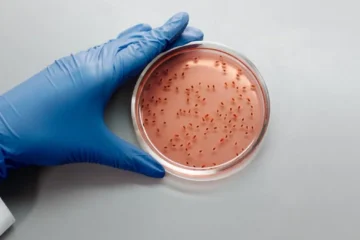
The choice between a pitch-black pour-over and a heavily sweetened latte has long been dismissed as mere habit—but science suggests our affinity for bitterness might actually be written in our DNA. A major study published in The Journal of Nutrition, led by researchers at Montreal’s McGill University, analyzed the DNA of more than 125,000 people to decode why we react so differently to bitter flavors.
Your preference for black coffee doesn’t seem to be about how intensely you taste the bitterness on your tongue.
Metabolism over taste buds
Coffee stands out as a fascinating biological outlier. While most bitter foods, like grapefruit, are judged by the “hardware” of your tongue—the physical genes that control how intensely you sense bitterness—coffee preference operates on an entirely different plane. The McGill study found that coffee drinkers aren’t necessarily sensing bitterness differently; rather, their preference is tied to genetic markers near the liver enzymes responsible for processing caffeine, specifically involving the CYP1A1 and CYP1A2 genes.
Your preference for black coffee doesn’t seem to be about how intensely you taste the bitterness on your tongue. Instead, it is fundamentally tied to how your body handles and metabolizes caffeine once it enters your system. To validate these findings, researchers tested these variants against the real-world habits of over 9,000 adults, finding a direct correlation between these specific genetic markers and the number of cups consumed daily.
Biology meets ritual
For those working in specialty coffee—whether roasting or serving—this provides a scientific dimension to customer behavior. When a patron orders an uncompromised espresso, they aren’t just following a trend or forcing themselves to endure a flavor; their internal engine may simply be driving that choice. Their genetics dictate how their body processes the stimulant, which in turn shapes what feels satisfying to their palate.
That said, biology isn’t destiny. Genetics offers only a small nudge toward certain profiles, leaving much of our morning ritual to be shaped by culture, habit, and repetition. While DNA might provide the starting point, the experience remains defined by the individual.
Does knowing your caffeine metabolism is genetically influenced change how you approach your daily brew?
Questions & Answers
Why do some people prefer drinking black coffee?
Some people prefer black coffee because of genetic markers that influence how their bodies metabolize caffeine. Rather than being a matter of how intensely a person perceives bitterness on their tongue, this preference is tied to specific liver enzymes. Research indicates that these internal biological processes shape what a person finds satisfying, meaning the choice to drink coffee without additives is often driven by how the body handles the stimulant once it enters the system.
How does caffeine metabolism affect coffee preference?
Caffeine metabolism affects coffee preference by determining how the body processes the stimulant through specific liver enzymes. A study led by McGill University found that preference is linked to genetic markers near the CYP1A1 and CYP1A2 genes. These genes are responsible for how caffeine is processed internally, which in turn influences an individual's palate and their daily consumption habits. This biological mechanism explains why some people can enjoy strong, bitter flavors while others cannot.
What is the difference between tasting bitterness and coffee preference?
The difference lies in whether the preference is driven by taste bud sensitivity or internal metabolism. Most bitter foods, such as grapefruit, are judged by the physical hardware of the tongue and how intensely a person senses bitterness. In contrast, coffee preference operates on a different plane because it is tied to how the liver processes caffeine. This means coffee drinkers are not necessarily sensing bitterness differently than others but are reacting to the metabolic process.
Can genetics determine how much coffee a person drinks?
Genetics can influence daily coffee consumption by dictating how an individual's body processes caffeine. Researchers found a direct correlation between specific genetic markers and the number of cups an adult consumes every day. While these biological factors provide a significant nudge toward certain drinking profiles, they do not entirely control behavior. Other factors such as culture, personal habit, and repetition also play essential roles in shaping an individual's ultimate morning coffee ritual.
Originally reported by Barista Magazine.