

⏱ 1 min read
The Short Version
Forget delicate jasmine; this MST Seventies Oolong delivers an earthy, chocolatey depth with a syrupy mouthfeel that defies traditional expectations. It transforms rugged camping trips into sophisticated sensory events, using decades of slow oxidation to ground you against the raw wilderness.
In This Article
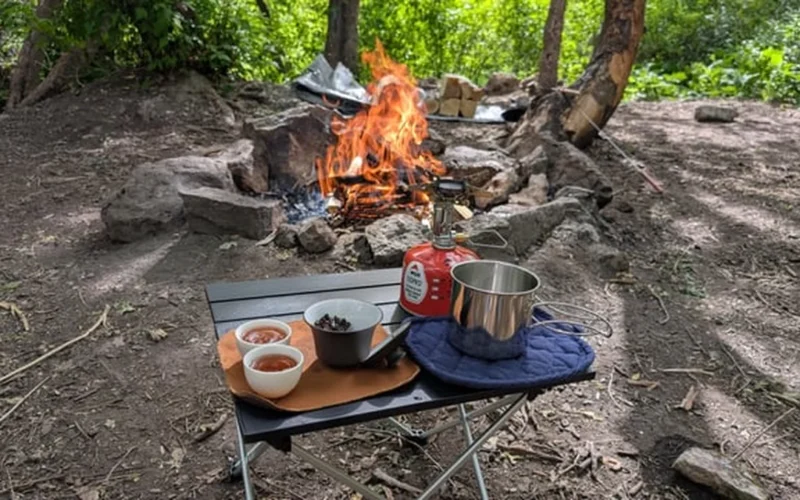
Consider this your morning briefing: high-end tea service is no longer confined to a ceramic studio or a quiet living room. Bringing a vintage oolong into the wild transforms a standard camping trip into a sensory event. Moving away from utilitarian tea bags toward aged leaves allows the environment to sharpen the brew.
It carries a slightly chocolatey flavor and a very syrupy mouthfeel.
Complexity in the Wild
The 1970s Oolong from MST defies typical expectations of light, floral profiles. Instead of delicate jasmine, this aged leaf delivers an earthy depth reminiscent of high-quality puerh. It carries a slightly chocolatey flavor and a very syrupy mouthfeel. This weight is essential outdoors; the richness of the liquor provides a grounding contrast to the raw landscape.
The transition from bright fruit to mature notes happens through decades of slow oxidation. In a camping setting, the lack of distractions forces focus onto these subtle nuances. You are tasting decades of transformation, a concentrated profile that hits harder under an open sky.
The Reflective Steep
Drinking aged oolong requires more patience than brewing black tea, aligning with the deliberate rhythm of nature. This vintage’s heavy sweetness cuts through the ruggedness of a campsite, grounding a simple break in sensory intensity.
Precision is difficult in the field, but necessary for this leaf. Avoid boiling water, which can scorch these delicate aged tannins; instead, use a portable butane stove to hit a steady 185°F–190°F. Skip the lightweight plastic mugs—opt for a double-walled stainless steel infuser or a small ceramic gaiwan to retain the thermal mass required for a proper steep. This effort yields an aromatic clarity that bridges the gap between your gear and the natural world.
What is the most surprising tea you have ever brewed in an unconventional setting?
Questions & Answers
What are the flavor notes of MST Seventies Oolong?
MST Seventies Oolong features an earthy depth and a complex profile reminiscent of high-quality puerh. Instead of typical light or floral jasmine notes, this aged tea delivers a slightly chocolatey flavor accompanied by a very syrupy mouthfeel. These mature characteristics are the result of decades of slow oxidation, which transforms bright fruit notes into a much more concentrated and heavy sensory experience that provides a grounding contrast to natural landscapes.
How should you brew aged oolong while camping?
To brew aged oolong in the wild, you should use a portable butane stove to maintain a steady temperature between 185°F and 190°F. It is important to avoid using boiling water because high heat can scorch the delicate aged tannins within the leaves. For the best results, swap out lightweight plastic mugs for a double-walled stainless steel infuser or a small ceramic gaiwan to help retain the necessary thermal mass for a proper steep.
Why is MST Seventies Oolong suitable for outdoor settings?
The heavy sweetness and rich liquor of MST Seventies Oolong make it ideal for the outdoors because it provides a grounding sensory contrast to rugged environments. While standard tea bags are often utilitarian, these aged leaves offer a concentrated profile that hits harder under an open sky. The complexity of the brew encourages a deliberate rhythm and focus, allowing the drinker to experience subtle nuances that might otherwise be missed in a distracted indoor setting.
What causes the flavor profile of vintage oolong to change?
The transition from bright fruit notes to mature, earthy flavors occurs through decades of slow oxidation. This long-term aging process allows the tea to develop a weight and complexity that differs significantly from younger, lighter teas. As the leaves age, they move away from delicate floral profiles toward deeper, more syrupy characteristics. This transformation results in a concentrated liquor that offers an intense sensory experience when brewed with patience and precision.
Originally reported by Reddit Tea.

[…] initial experience of brewing these blossoms is deceptively lovely. Using steaming water just below the boil preserves the ephemeral fragrance, […]