There’s something brewing—literally—that’s been gnawing at coffee enthusiasts for years: the elusive consistency of a perfect cup. No matter how meticulous you are, some methods feel like a gamble, where the same beans can yield wildly different results from one day to the next. Whether you’re chasing clarity in a pour-over or trying to coax depth from a French press, the variables are relentless. It’s not just about the beans or the water—it’s the dance of timing, temperature, and technique that turns a good cup into a great one.
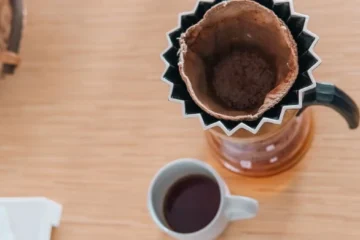
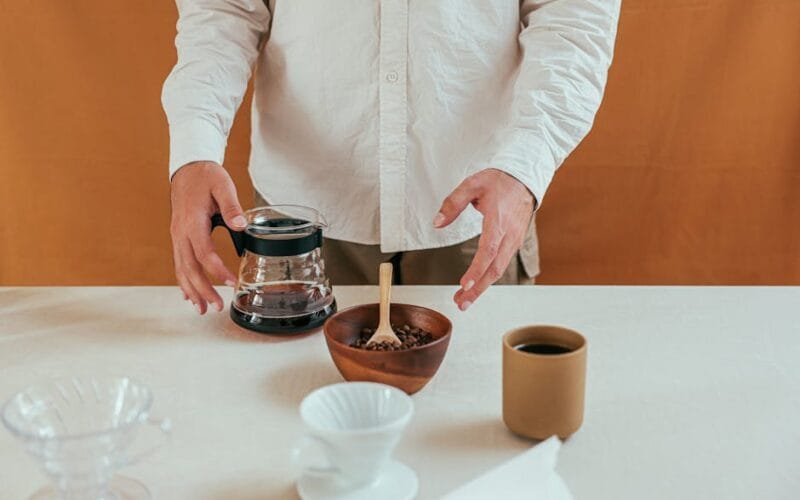
Pour-over, for instance, is a method that rewards precision but punishes sloppiness. A single second of over-extraction can turn a bright acidity into a bitter mess, while under-extraction leaves it tasting flat. The French press, on the other hand, is a study in balance. Too long, and the coffee becomes muddled; too short, and it’s underdeveloped. Even the moka pot, with its steam-driven pressure, can falter if the water isn’t at the right temperature or the grind is too coarse. These methods demand a level of control that’s easy to mess up, especially when you’re juggling morning routines and caffeine cravings.
The real issue isn’t the method itself—it’s how easily small changes derail the entire process. A drop in water temperature, a rushed pour, or even a slightly uneven grind can throw off the chemistry. It’s not just about skill; it’s about understanding the science behind extraction. For example, a French press benefits from gentle agitation to ensure even contact between coffee and water, while a pour-over relies on a steady, controlled pour to avoid channeling. Mastering these nuances takes time, but the payoff is a cup that feels intentional, not accidental.
Key points: Focus on variables like water temperature and grind size, use a thermometer to standardize your process, and experiment with agitation techniques to dial in consistency.
What’s your go-to method for achieving reliable results—and what’s the one adjustment that transformed your routine.
What’s your go-to method for achieving reliable results—and what’s the one adjustment that transformed your routine?
Questions & Answers
What’s the most inconsistent coffee method?
The French press is the most inconsistent due to variable steeping times and temperature control, leading to over-extraction and bitter flavors.
Why is pour-over coffee inconsistent?
Pour-over coffee is inconsistent due to timing, water temperature, and grind size variations, which affect extraction and flavor balance.
Information sourced from industry reports and news outlets.