⏱ 1 min read
The Short Version
Forget breezy, fruit-forward summer sips; high-end rosé has traded stainless steel for French oak to achieve serious structural integrity. This shift toward barrel aging has birthed a prestige category of complex, cellar-worthy wines that command prices up to £200.
Pour yourself a cup for this one: high-end rosé is no longer just about immediate refreshment. For years, the industry assumed pink wine required stainless steel tanks to maintain a breezy, fruit-forward profile intended for quick consumption. That paradigm shifted permanently in 2006 when Patrick Léon launched Garrus from Château d’Esclans, treating Grenache with the same reverence usually reserved for top-tier Chardonnay.
Garrus rewrote the rules for rosé by marrying ripe Mediterranean fruit with fine-grained French oak.
The architectural shift toward complexity
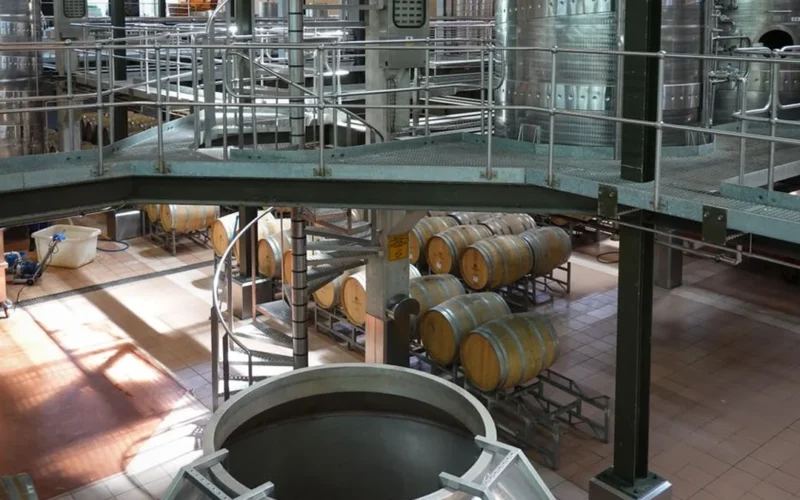
By fermenting and aging in new French oak barriques, Léon proved that rosé could possess structural integrity. This wasn’t merely about adding flavor; it was about introducing texture and longevity. While traditional rosés lean on acidity and lightness, these barrel-influenced bottles offer vanillin notes and a weightiness that allows them to evolve in the cellar. Garrus rewrote the rules for rosé by marrying ripe Mediterranean fruit with fine-grained French oak. This innovation birthed an entirely new luxury category where prices frequently climb between £60 and £200.
A growing market of prestige pours
The success of the Provençal pioneers has paved the way for a more diverse landscape of premium pinks. Today, the Global Rosé Masters highlights a significant evolution in the sector, proving that barrel influence is no longer a niche experiment but a standard for excellence. Winemakers like Gérard Bertrand in the Languedoc have turned this sophistication into a specialized craft, pushing the boundaries of what collectors expect from the color palette. Even the extreme end of the market has arrived with Clos du Temple, currently standing as the world’s most expensive pink wine. Whether you are seeking the established elegance of Château d’Esclans or exploring newer, highly scored entries, fine rosé now demands a place in any serious cellar. Do you prefer your rosé bone-dry and chilled, or do you enjoy the complexity of an aged, textured bottle?
Questions & Answers
Why is oak aging used in luxury rosé production?
Oak aging is used in luxury rosé to introduce structural integrity, texture, and longevity to the wine. Instead of relying solely on the breezy, fruit-forward profile typical of stainless steel fermentation, winemakers use new French oak barriques to add complexity. This process imparts vanillin notes and a certain weightiness that allows these premium pink wines to evolve in a cellar over time rather than requiring immediate consumption for refreshment.
How did Garrus change the perception of rosé wine?
Garrus changed the perception of rosé by proving that pink wine could be treated with the same reverence and complexity as top-tier Chardonnay. Launched by Patrick Léon in 2006, this wine utilized fermentation and aging in new French oak barriques to shift the industry paradigm. By marrying ripe Mediterranean fruit with fine-grained oak, the wine established an entirely new luxury category that prioritizes structural depth over simple acidity and lightness.
What distinguishes premium barrel-influenced rosés from traditional styles?
Premium barrel-influenced rosés are distinguished by their ability to offer greater complexity and texture compared to traditional styles. While traditional rosés typically lean on high acidity and a light profile intended for quick refreshment, luxury versions aged in oak possess more weight and structural integrity. This difference allows high-end bottles to develop vanillin notes and provides the capacity for the wine to age gracefully in a serious wine cellar.
What are some examples of high-end or expensive rosé wines?
High-end rosé examples include Garrus from Château d'Esclans, which helped pioneer the luxury category with prices often ranging between £60 and £200. Other notable producers in this sophisticated landscape include Gérard Bertrand in the Languedoc region. For collectors seeking the absolute peak of the market, Clos du Temple currently holds the distinction of being the most expensive pink wine in the world, representing the extreme end of prestige pours.
Originally reported by The Drinks Business.