

⏱ 2 min read
The Short Version
A faster, coarser shot can paradoxically yield a higher TDS than a slower one by triggering localized channeling. These high-speed water highways wash out intense solutes from specific zones, creating an artificially inflated concentration that sacrifices flavor balance for raw strength.
In This Article
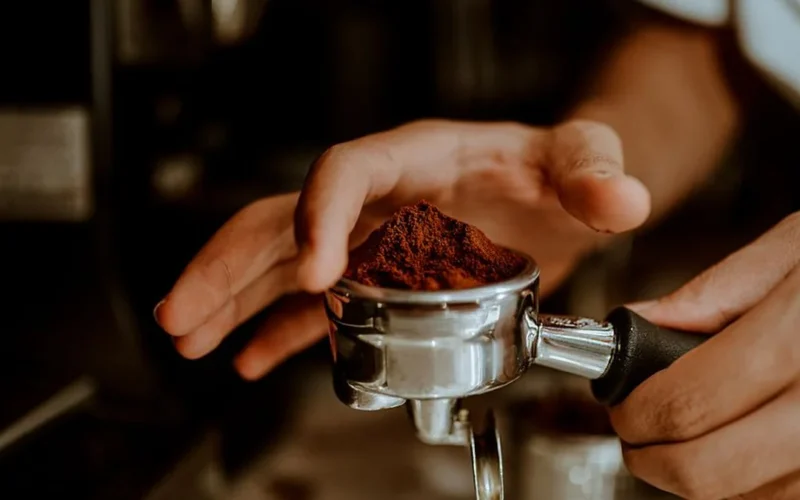
The verdict is in: espresso physics doesn’t always follow the intuition of your training. When experimenting with a Full City roast at 7 bar, a common expectation is that a finer grind will yield a higher Total Dissolved Solids (TDS) percentage due to increased surface area and contact time. However, when a coarse, fast-flowing 22-second shot produces a 12.0% TDS while a slower 38-second shot sits at 11.0%, the math feels broken. In reality, you aren’t seeing an error; you are witnessing the heavy hand of channeling.
This rapid transit can artificially inflate concentration readings even when the overall extraction efficiency is technically lower.
The Channeling Culprit
A coarse grind offers significantly less resistance to water, allowing it to move through the puck with high velocity. While this might seem like it would lead to under-extraction, it often creates a scenario where water finds specific paths of least resistance—channels—through the coffee bed. These channels act as high-speed highways for water, washing out highly concentrated solutes from specific areas very quickly. This rapid transit can artificially inflate concentration readings even when the overall extraction efficiency is technically lower. As the grind gets finer and the shot stretches to 38 seconds, the puck becomes more uniform, slowing the flow and creating a more even distribution of dissolved solids rather than localized bursts of intensity.
Pressure and Flow Dynamics
Lowering your pressure from the standard 9 bar to 7 bar further complicates the relationship between grind size and concentration. At lower pressures, the mechanical force pushing water through the puck is reduced, making the physical structure of the grounds even more critical. A coarser grind combined with low pressure may fail to create the necessary backpressure to saturate the entire puck evenly. Instead of a steady, controlled infusion, you end up with a fast-moving stream that pulls high concentrations of solubles from limited zones. This results in a higher TDS but often at the expense of flavor balance, frequently leaving behind the complex nuances that a slower, more stable shot provides. To fix this, focus on increasing puck resistance to ensure water interacts with every grain equally. Do you find that your espresso tastes more balanced when it’s more dilute or more concentrated?
Questions & Answers
Why can a coarse grind produce a higher TDS than a fine grind?
A coarse grind can produce a higher Total Dissolved Solids (TDS) percentage because it often leads to channeling within the coffee puck. When water encounters less resistance, it finds specific paths of least resistance that act like high-speed highways through the grounds. These channels wash out highly concentrated solutes from localized areas very quickly. This rapid transit artificially inflates concentration readings even if the overall extraction efficiency is lower than a more uniform, finer grind shot.
How does channeling affect espresso extraction and concentration?
Channeling causes water to bypass most of the coffee bed and rush through specific paths, which creates localized bursts of intensity. This process can lead to an unexpectedly high TDS reading despite the shot being technically under-extracted overall. While these channels pull concentrated solutes out of specific zones very quickly, they prevent a steady infusion. Consequently, you may see a higher concentration measurement that lacks the complex nuances and flavor balance found in a slower, more stable extraction.
What happens to espresso extraction when lowering pressure from 9 bar to 7 bar?
Lowering the pressure to 7 bar reduces the mechanical force pushing water through the coffee puck, making the physical structure of the grounds even more critical. At this lower pressure, a coarse grind may fail to create enough backpressure to saturate the entire puck evenly. Instead of a controlled infusion, you often get a fast-moving stream that pulls high concentrations of solubles from limited zones. This results in higher TDS readings but often at the expense of overall flavor balance.
How can you improve espresso flavor balance when dealing with high TDS?
You can improve espresso flavor balance by increasing puck resistance to ensure water interacts with every coffee grain equally. High TDS readings caused by channeling often result in unbalanced flavors because water is only extracting from limited zones rather than the entire bed. By focusing on creating a more uniform puck, you can prevent the high-speed channels that cause localized bursts of intensity. This leads to a slower, more stable shot that provides a more even distribution of dissolved solids.
Originally reported by Reddit Coffee.


[…] dilution, increasing your intensity level from 4 to 5 may provide a sharper edge, yet adding an extra shot of espresso is often the most effective way to reclaim the coffee’s presence. when automatic delivery is too […]