

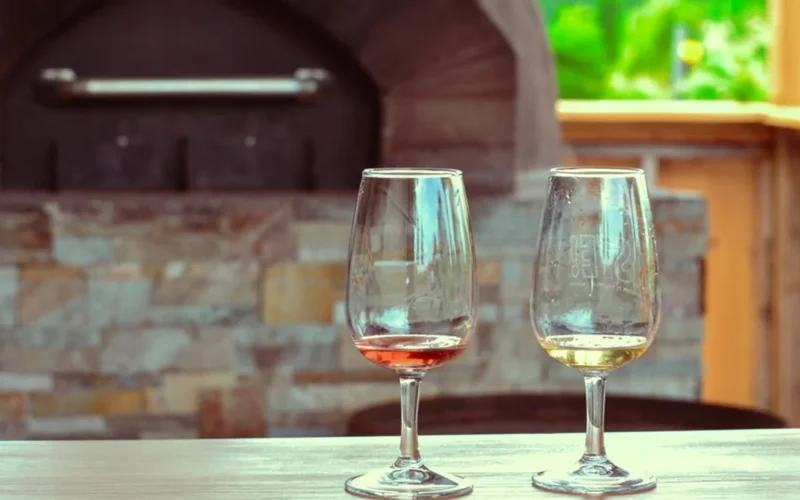
⏱ 1 min read
The Short Version
By controlling every hectare of their 460-hectare estate, the Fayard family bypasses external fruit to sculpt a rare, gastronomic rosé. They leverage nocturnal harvests and massal selection to balance coastal salinity with inland texture, cementing their status as one of Provence's elite crus classés.
Consider this your morning briefing: true quality in Provence isn’t just about sunshine; it is about obsessive control over every hectare. While many producers rely on external fruit, the Fayard family maintains total ownership over their 460 hectares. This rare level of autonomy allows them to sculpt a specific kind of gastronomic rosé that balances coastal salinity with inland texture.
This diversity of terroirs allows us to create rosés with both freshness and complexity.
Terroir mosaics and nocturnal harvests
The estate’s identity is written in its soil, stretching from the Bay of Hyères through the valleys of Pierrefeu. By navigating a complex mosaic of mica schist, siliceous clay, and limestone, the winery captures a spectrum of flavors that single-soil estates simply cannot replicate. Near the coast, stony ground and maritime breezes drive a signature saltiness, while inland parcels provide necessary weight. To protect these delicate aromatics, the team conducts harvests at night when temperatures drop. This diversity of terroirs allows us to create rosés with both freshness and complexity.
Preserving heritage through massal selection
Beyond mere land management, the winery focuses on genetic integrity via massal selection. Rather than relying on standardized nursery clones, they replant vines from their finest historic parcels to ensure greater aromatic precision. This commitment to biological continuity has earned them status as one of only 18 crus classés in Provence. It also makes them an outlier; since 2003, they have held both organic and vegan certifications, proving that environmental stewardship and high-end winemaking are not mutually exclusive.
The results speak for themselves, with recent vintages earning top honors from the Beverage Testing Institute and Global Rosé Masters. Whether it is the unoaked purity of their flagship pours or the technical finesse of their white varieties, the goal remains constant: producing wines defined by balance. For the Fayard family, excellence is a long game played across generations.
Do you prefer your rosé to lean toward bright coastal salinity or structured inland minerality?
Questions & Answers
How does Château Sainte Marguerite achieve its unique flavor profile?
Château Sainte Marguerite achieves its unique flavor profile by managing a diverse mosaic of terroirs ranging from the Bay of Hyères to the Pierrefeu valleys. By working with various soil types like mica schist, siliceous clay, and limestone, the winery can balance coastal salinity with inland texture. This variety allows them to capture a wide spectrum of flavors that single-soil estates cannot replicate, resulting in rosés that possess both freshness and complexity.
What makes the Fayard family's vineyard management different from other producers?
The Fayard family differs from many other producers because they maintain total ownership over all 460 hectares of their land rather than relying on external fruit. This high level of autonomy allows them to exercise obsessive control over every hectare to sculpt specific gastronomic wines. Additionally, they utilize massal selection for replanting vines instead of using standardized nursery clones, which helps ensure greater aromatic precision and maintains the genetic integrity of their historic parcels.
Why does Château Sainte Marguerite conduct its grape harvests at night?
Château Sainte Marguerite conducts its grape harvests at night to protect the delicate aromatics found in their fruit. By harvesting during these hours, the team takes advantage of dropping temperatures which helps preserve the wine's essential scent and flavor profiles. This nocturnal approach is a key part of their technical precision, ensuring that the freshness and complexity of their signature rosés are maintained from the vineyard to the final bottle.
What certifications and honors has Château Sainte Marguerite received?
Château Sainte Marguerite holds both organic and vegan certifications and is recognized as one of only 18 crus classés in Provence. These distinctions highlight the winery's commitment to environmental stewardship and high-end winemaking excellence. Furthermore, their recent vintages have earned prestigious industry recognition, receiving top honors from major organizations such as the Beverage Testing Institute and the Global Rosé Masters for their technical finesse and balance.
Originally reported by The Drinks Business.

[…] the channel in Paris, BonVivant maintains a similar quiet confidence, offering a list that balances classic producers with low-intervention newcomers without ever feeling performative. Meanwhile, Verona’s Antica […]
[…] to €12.6 billion in 2025, alcoholic beverages have become the lone outlier in a growing market. Organic wine saw a 2.4% dip in value, while other organic drinks fell slightly by 0.5%. This stagnation […]
[…] consumption. That paradigm shifted permanently in 2006 when Patrick Léon launched Garrus from Château d’Esclans, treating Grenache with the same reverence usually reserved for top-tier […]