⏱ 1 min read
The Short Version
Kabuse Samidori Uji reveals its complex, savory flavor only when brewed at cool temperatures, defying impatience and rewarding precision. This Japanese green tea demands a careful hand, unfolding its soul slowly with each sip.
In This Article
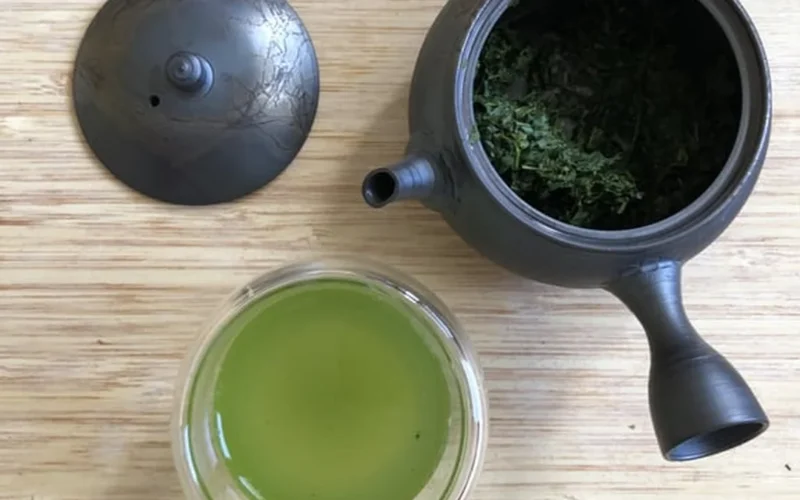
The verdict is in: Kabuse Samidori Uji is a tea that demands precision. My first few sessions left me confused—bitter, astringent, and oddly unremarkable. But after finishing the bag, I’m reconsidering. This isn’t a tea for the impatient; it’s a cultivar that reveals its soul only when you dial back the heat.
Kabuse Samidori Uji is a cultivar that reveals its soul only when you dial back the heat.
Water Temperature Is Everything
Kabuse Samidori Uji thrives in cool water, around 45°C. Over 60°C and it turns bitter, a lesson in how terroir and technique collide. The cultivar’s delicate leaves require a careful hand, almost like coaxing a shy conversation. Japanese green tea purists often adjust temps based on the cultivar—some prefer warmer water for robust leaves, others cooler for tender ones. Does this tea fall into the latter camp?
The Slow Unfolding of Flavor
What sets Kabuse Samidori Uji apart is its evolution. At first, it’s a floral whisper, almost indistinct. But as the leaves unfurl, it layers into a savory, mineral-rich complexity. It’s not a tea for quick sips; it’s meant to be savored, like a well-aged wine. The key is patience—let the leaves breathe, let the flavors develop. Kabuse Samidori Uji is a cultivar that reveals its soul only when you dial back the heat. So, do you adjust water temps based on the cultivar? The answer might just change how you brew your next cup.
Questions & Answers
How does Kabuse Samidori Uji taste when brewed correctly?
Kabuse Samidori Uji tastes like a floral whisper that evolves into a savory, mineral-rich complexity. It starts subtly and unfolds with patience, revealing layers of flavor that require a cool brewing temperature to fully express.
Why is water temperature important for Kabuse Samidori Uji?
Water temperature is crucial for Kabuse Samidori Uji because it thrives in cool water around 45°C. Using water over 60°C can make it bitter, showing how delicate this cultivar is and how technique impacts its flavor.
What makes Kabuse Samidori Uji unique compared to other teas?
Kabuse Samidori Uji is unique due to its slow unfolding of flavor. It starts as a floral whisper and develops into a savory, mineral-rich complexity, making it a tea meant to be savored rather than rushed.
Can Kabuse Samidori Uji be enjoyed by those who aren't patient?
Kabuse Samidori Uji is not for the impatient. It requires patience to let the leaves breathe and the flavors develop, making it a tea that rewards careful brewing and slow appreciation.
Originally reported by Reddit Tea.