⏱ 1 min read
The Short Version
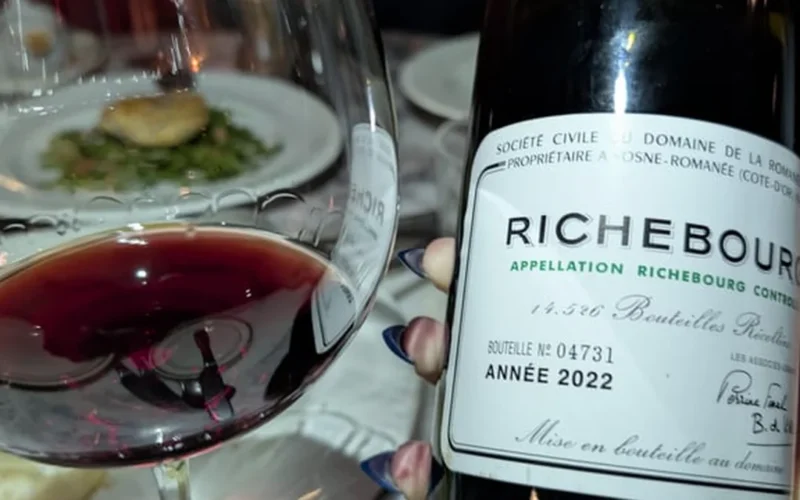
A $700 glass of 2022 Richebourg transforms from floral sweetness to savory complexity, evolving in the glass like a living symphony. Its structure tightens into salt, soy, and minerality, proving depth lies in movement, not density.
This might just change your routine: $700 for 150ml of wine is not a splurge—it’s a masterclass in evolution. The 2022 Domaine de la Romanee-Conti Richebourg arrives as a bouquet of super floral notes—strawberry, roses, cherry, licorice—each layer unfurling like a secret. But this is no static perfume. Within minutes, the wine shifts, revealing stewed fruit and earth tones, its structure tightening into a savory profile of soy, salt, and minerality.
The wine evolves so much in the glass from a more delicate fruit and floral profile and slowly towards a savory, soy, saltyness.
Aroma as a Riddle, Flavor as a Revelation
The initial nose is a paradox: super floral yet unrecognizable, as if the wine has bottled a garden in a storm. It’s not just flowers—it’s red fruit candy, plum, and a whisper of leather. Yet the true magic lies in its refusal to stay put. As the glass breathes, it sheds its delicacy, trading sweetness for a saltiness that lingers like a memory. The tannins, structured but not aggressive, frame this transformation, proving that complexity isn’t about density—it’s about movement.
The Art of Waiting, The Reward of Patience
By the third hour, the Richebourg becomes something else entirely. The savory profile deepens, its minerality sharpening into a clarity that cuts through the richness. It’s a wine that rewards time, not just taste. The oak influence, light but present, adds a layer of warmth without overwhelming. This is why the price feels less like a burden and more like an invitation to witness artistry in progress.
The wine evolves so much in the glass from a more delicate fruit and floral profile and slowly towards a savory, soy, saltyness.
The evolution of Richebourg is a direct reflection of its terroir and the meticulous philosophy of Domaine de la Romanée-Conti. Grown in the famed Côte de Nuits, the vineyard’s limestone and clay soils impart a mineral backbone, while the winemaking approach—minimal intervention and patience—allows the wine to express its true character over time. This is not just a bottle of wine; it’s a conversation between soil, climate, and craft.
What does it take for a wine to outsmart its own identity?
Questions & Answers
How does the Richebourg evolve in the glass?
The Richebourg starts with super floral notes like strawberry, roses, and cherry, then transitions to stewed fruit and earth tones. As it ages in the glass, it develops savory elements such as soy, salt, and minerality, showcasing its dynamic structure and complexity.
What makes the Richebourg a unique wine experience?
The Richebourg is unique due to its ability to transform over time, shifting from delicate floral and fruity notes to a savory profile with soy and saltiness. Its tannins are structured yet not aggressive, allowing the wine to reveal layers of complexity as it breathes.
Why is the Richebourg considered a masterclass in evolution?
The Richebourg is a masterclass in evolution because it changes dramatically in the glass, moving from a sweet, floral profile to a savory, mineral-driven finish. This transformation highlights its terroir and the winemaking philosophy of patience and minimal intervention.
How does the terroir influence the Richebourg’s character?
The Richebourg’s terroir, with limestone and clay soils in the Côte de Nuits, gives it a mineral backbone. This, combined with minimal intervention in winemaking, allows the wine to express its true character over time, evolving from fruit-forward to savory with depth and clarity.
Originally reported by Reddit Wine.