⏱ 1 min read
The Short Version
A tea break transformed my workflow by acting as a mental reset, replacing distractions with presence and clarity. This simple ritual signals task transitions, boosting focus and reducing context-switching fatigue.
In This Article
Here’s a simple shift that transformed my workflow: boiling water, steeping leaves, sipping—each step became a deliberate pause between tasks. For years, I moved through work like a sleepwalker, exhausted but unproductive. Then I swapped scrolling for steeping. A tea break isn’t a smoke break; it’s a reset. Standing in the kitchen, hands on counter, eyes on steam rising—this ritual carves time. My brain now registers it as a signal: one task ends, another begins. Context-switching? Measurable easier.
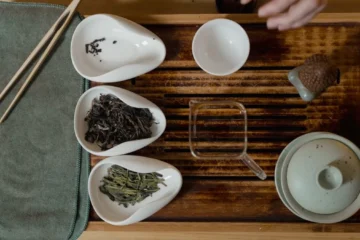
The act of making tea turned out to be weirdly effective as a mental bookmark.
The Ritual of Transition
Tea breaks aren’t just about caffeine. They’re about intention. The act of making tea becomes a mental bookmark, a pause that separates work blocks. No phone, no distractions—just the quiet hum of water and leaves. It’s not productivity; it’s presence. I’ve tested this with multiple brands, but the Huoshan Yellow Tea has become my end-of-day cup. Its gentleness feels like a quiet nod: you can stop now. It’s not about the tea itself, but the ritual that frames it.
A Cup That Signals the End
The power of tea lies in its simplicity. A five-minute pause, no frills, no noise. It’s a micro-break that recalibrates focus. I’ve seen this work in others too—writers, designers, coders—using tea as a non-negotiable pause. The key? Consistency. A ritual isn’t a habit until it’s repeated. Tea breaks aren’t for productivity; they’re for clarity. They let you return to work with a reset, not a rebound.
The act of making tea turned out to be weirdly effective as a mental bookmark.
In remote or hybrid work, where office rituals are less structured, tea breaks offer a portable anchor. Whether you’re at your desk or in a shared space, the ritual remains the same—simple, intentional, and effective. Does your workflow need a similar anchor? What’s your ritual for transitioning between tasks?
Questions & Answers
How does a tea break help with transitioning between tasks?
A tea break serves as a mental bookmark, signaling the end of one task and the start of another. By focusing on the ritual of making tea, you create a deliberate pause that separates work blocks. This intentional break reduces context-switching fatigue and helps maintain focus.
What makes a tea break different from a regular break?
A tea break is intentional and ritualistic, designed to reset focus rather than just provide a pause. It involves no distractions like phone use, and the act of steeping and sipping becomes a mindful practice. This structured pause helps signal transitions between tasks effectively.
Can tea breaks improve clarity and productivity?
Tea breaks can improve clarity by offering a reset between tasks, allowing the mind to recalibrate. This intentional pause helps reduce mental fatigue and enhances focus when returning to work. The simplicity of the ritual supports mental clarity without relying on caffeine alone.
Why is consistency important for tea breaks?
Consistency turns a tea break into a habit, making it an effective ritual for transitioning between tasks. Regular use reinforces the signal that one task is ending and another is beginning. Over time, this routine supports sustained focus and reduces the mental load of switching between tasks.
Originally reported by Reddit Puer Tea.