

⏱ 1 min read
The Short Version
Las Vegas is evolving from sugary matcha trends into a serious tea destination with the arrival of Kyoto-based Hatoya in Chinatown. This shift brings manual, high-grade preparation to the desert, bridging the gap between playful dessert lattes and disciplined Japanese ceremony.
This might just change your routine: the neon energy of Las Vegas is being tempered by the quiet, verdant precision of Japanese tea culture. Matcha has migrated from a niche specialty order to a dominant force across the valley, moving far beyond basic lattes. Local cafes are no longer just adding green powder to milk; they are treating it as a versatile canvas for culinary experimentation.
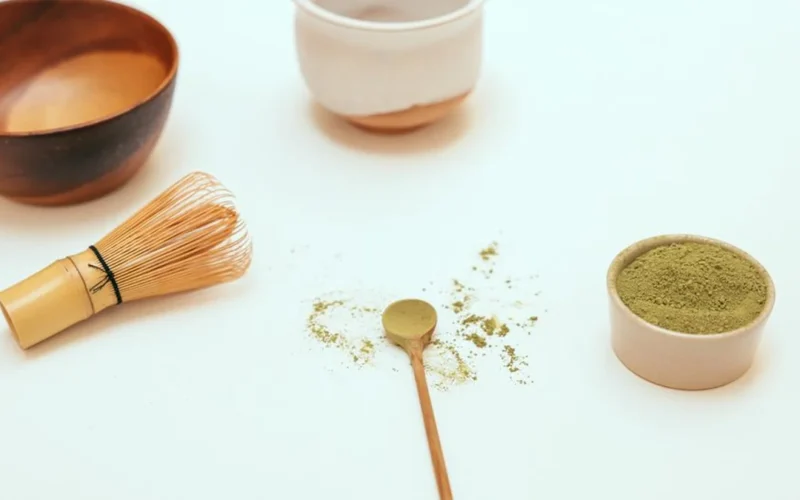
Hatoya built the shop around authenticity, with the tea prepared by hand rather than pre-batched.
From Dessert Drinks to Tea Traditions
The local landscape offers a spectrum of approaches ranging from pure indulgence to strict adherence to form. In Green Valley, Kohi Coffee & Matcha leans into dessert profiles with blueberry milk and tres leches infusions. Similarly, INU Matcha & Brew on the eastside plays with vibrant colors through ube cloud matcha and lychee-lime combinations. These shops treat matcha as a flavor component meant to delight the palate through sweetness and texture. Contrast this with Centennial Hills’ Leev Matcha Atelier, which maintains a more disciplined focus by utilizing high-quality tea sourced directly from Shizuoka, Japan.
The Arrival of Authentic Craft
The arrival of Hatoya marks a significant shift toward true technical mastery in the region. This Kyoto-based brand recently opened its first U.S. location in Chinatown, bringing founder Nobu Maruyama’s hands-on expertise to the desert. Unlike many shops that rely on pre-batched liquids, Hatoya prioritizes manual preparation to preserve the integrity of their four distinct grades: Original, Roasted, Midori, and Joyo3. Hatoya built the shop around authenticity, with the tea prepared by hand rather than pre-batched. Whether you are sipping a traditional bowl or a modern latte topped with house-made mochi, the emphasis remains on grade and ceremony. This surge in local interest proves that while social media may drive the initial aesthetic curiosity, it is the sensory depth of well-sourced tea that keeps customers returning. As these cafes bridge the gap between playful trends and centuries-old rituals, Las Vegas is becoming a legitimate destination for serious matcha enthusiasts. Do you prefer your matcha as a traditional whisked tea or an experimental dessert drink?
Questions & Answers
What are the different ways matcha is served in Las Vegas cafes?
Matcha is served in Las Vegas through a wide spectrum of styles ranging from indulgent dessert drinks to disciplined, traditional tea preparations. Some local shops focus on playful flavor profiles by combining matcha with ingredients like blueberry milk, tres leches, ube, or lychee-lime. Other establishments take a more serious approach by focusing on high-quality tea sourced directly from Japan. This variety allows customers to enjoy matcha as either a sweet, textured treat or a refined, ceremonial beverage.
How does Hatoya prepare its matcha differently than other shops?
Hatoya distinguishes itself by prioritizing manual preparation and technical mastery rather than relying on pre-batched liquids. The Kyoto-based brand focuses on preserving the integrity of its four distinct tea grades through hands-on expertise. By avoiding pre-made batches, they ensure that every serving maintains the quality required for both traditional bowls and modern lattes. This commitment to manual craft allows them to offer specialized grades like Original, Roasted, Midori, and Joyo3 to their customers.
Where can I find authentic Kyoto-style matcha in Las Vegas?
You can find authentic Kyoto-style matcha at Hatoya, which recently opened its first United States location in the Chinatown area of Las Vegas. This shop brings the direct expertise of founder Nobu Maruyama to the desert, offering a bridge between modern trends and centuries-old rituals. Unlike many local cafes that treat matcha as a simple flavor component for sweets, Hatoya emphasizes high-grade tea and traditional ceremony. It serves as a primary destination for serious enthusiasts seeking true technical mastery.
What are the different grades of matcha available at Hatoya?
Hatoya offers four distinct grades of matcha designed to cater to different sensory preferences and preparation styles. These specific grades include Original, Roasted, Midori, and Joyo3. Each grade is prepared by hand to ensure that the unique characteristics of the tea are preserved during the serving process. Whether customers choose a traditional whisked bowl or a contemporary latte topped with house-made mochi, the selection of these specific grades ensures a high level of quality and depth.
Originally reported by 102.7 Coyote Country.


[…] the simple act of drinking, the gathering highlighted how tea functions as a universal language of welcome. Kuwaiti tea expert Sarah Maher AlMajed traced the historical trade routes that carried […]