⏱ 2 min read
The Short Version
Fenghuang Dancong’s rare, complex aromas and meticulous crafting reveal a quiet tea revolution, with standout Dancongs like Duck Shit Aroma and Mi Lan Xiang offering unforgettable, story-rich flavors.
Pour yourself a cup for this one: the tea season is winding down, but the flavors I’ve been chasing? They’re still fresh. Over the past month, I’ve unraveled a collection of Yancha samples from a single brand, each one a quiet rebellion against sameness. The teas were deliberate—balanced, smooth, and unapologetically precise. Aroma profiles emerged like clues in a mystery: milky, floral, layered. I tried everything from classic Fenghuang Dancong to Wuyi Yancha, including rare varietals like Bai Rui Xiang and Jin Liu Tiao. The standout? Two Dancongs: a Duck Shit Aroma and a tinned Mi Lan Xiang. Their aromas were unmistakable, lingering like a memory you can’t quite place.
The lingering aroma mixing spice and woody notes, mellow yet lively, is incredibly hard for other teas to replicate.
The Regional Alchemy of Fenghuang Dancong
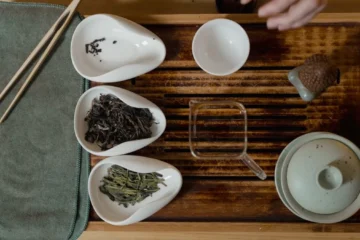
Fenghuang Dancong isn’t just a tea—it’s a closed ecosystem. Its roots run deep in Guangdong’s Chaoshan region, where tea bushes grow in ways that defy convention. Processing methods, brewing rituals, even the way locals sip it, are all distinct. Some use a leaf-to-water ratio so extreme it fills the gaiwan, extracting intensity through force. But you don’t need to go that far. A gentler Gongfu brewing method still unlocks its magic: a spice-woody aroma that’s mellow yet vibrant, impossible to replicate elsewhere. The naming conventions, too, are a testament to its roots—Duck Shit Aroma, Lei Kou Chai (a tea bush struck by lightning)—each name a story, not a label.
Stability in the Shadows
The real triumph? Consistency. Across the batch, quality didn’t waver. No duds, no surprises—just a quiet mastery of craft. Even the niche varietals, like the first-prize-winning Shui Xian, delivered without fanfare. It’s a rare feat in a market where hype often overshadows substance. As this year’s Yancha hits shelves, the tea world is shifting. Prices are aligning with value, and everyday drinkers are finally prioritizing quality over spectacle. The revival of Fenghuang Dancong also signals a broader movement toward sustainable practices and deeper respect for terroir, as producers and consumers alike seek authenticity in an increasingly commercialized industry. The lingering aroma mixing spice and woody notes, mellow yet lively, is incredibly hard for other teas to replicate. What if the future of tea isn’t about scarcity or hype, but the quiet confidence of a well-made cup?
Questions & Answers
What makes Fenghuang Dancong unique compared to other Yancha teas?
Fenghuang Dancong is unique due to its closed ecosystem in Guangdong’s Chaoshan region, where tea bushes grow in unconventional ways. Its processing methods, brewing rituals, and naming conventions reflect deep-rooted traditions, with aromas like Duck Shit Aroma and Lei Kou Chai telling stories rather than just labeling varietals.
How does Gongfu brewing enhance the flavor of Fenghuang Dancong?
Gongfu brewing unlocks Fenghuang Dancong’s magic by extracting a spice-woody aroma that’s mellow yet vibrant. This method, unlike extreme leaf-to-water ratios, preserves the tea’s complexity and balance, offering a more nuanced drinking experience without overpowering the palate.
Why is consistency important in Fenghuang Dancong production?
Consistency is vital as it reflects quiet mastery of craft, ensuring every batch delivers balanced, smooth flavors. This reliability stands out in a market where hype often overshadows substance, making it a rare feat that elevates the tea’s value and appeal.
What role do naming conventions play in Fenghuang Dancong?
Naming conventions in Fenghuang Dancong tell stories rather than just label varietals. Names like Duck Shit Aroma and Lei Kou Chai reflect the tea’s origins and characteristics, adding cultural depth and a sense of place that enriches the tea-drinking experience.
Originally reported by Reddit Tea.