⏱ 1 min read
The Short Version
Indonesian diplomats used Chinese tea rituals to foster global unity, framing tea as a silent yet powerful bridge between cultures. A shared cup became a symbol of harmony, diplomacy, and mutual respect across nations.
In This Article
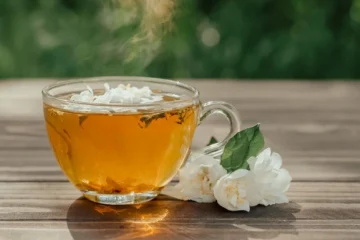
Tea steeped in centuries of ritual became a quiet revolution in Jakarta’s ballroom, where the act of sharing a cup transformed strangers into allies. The event, titled Tea for Harmony, Shared Beauty, was more than a celebration of International Tea Day—it was a calculated gesture of cultural diplomacy, where the rhythm of sipping became a silent dialogue between nations.
Tea carries the meaning of civilization and conveys a message of peace that transcends national borders.
A Ceremony of Shared Rituals
The Chinese Embassy’s curated experience wove together tea art, heritage workshops, and tastings that felt less like exhibitions and more like conversations. Guests sipped Xiaguan Xiao Fa—a rare 2018 vintage with mineral-rich depth—while diplomats and scholars discussed how tea’s roots in mindfulness and balance could mirror modern efforts to foster global cooperation. The ritual of pouring, the aroma of oxidation, the silence between sips—all became unspoken negotiations of mutual respect.
Dialogue in Every Cup
Ambassador Wang Lutong framed tea as a vessel for peace, arguing that its “harmony between humanity and nature” transcends borders. Sultan Bachtiar Najamudin echoed this, noting that friendship thrives in diversity, not uniformity. Tea, he said, is a bridge, not a barrier. Indonesian Minister Fadli Zon added that culture flourishes through dialogue, and this event proved how a simple leaf could spark conversations about shared values.
Tea carries the meaning of civilization and conveys a message of peace that transcends national borders.
What if the next chapter of cross-cultural understanding begins not with treaties, but with a shared cup?
Questions & Answers
How did the Indonesian diplomats use tea to foster cultural understanding?
Indonesian diplomats used tea as a medium for cultural diplomacy by hosting a tea ceremony that emphasized shared rituals and mutual respect. The event, *Tea for Harmony, Shared Beauty*, combined tea art, workshops, and tastings to create a space for dialogue between nations, transforming strangers into allies through the act of sharing a cup.
What role did tea play in the event *Tea for Harmony, Shared Beauty*?
Tea played a central role in the event by serving as a symbol of cultural exchange and global cooperation. The ceremony featured rare teas like *Xiaguan Xiao Fa*, alongside discussions on how tea’s principles of mindfulness and balance could mirror efforts to build international harmony.
Why is tea considered a bridge between cultures according to the article?
Tea is considered a bridge between cultures because it fosters mutual respect and understanding through shared rituals. The article highlights how the act of sipping and pouring tea creates a silent dialogue, reflecting values like harmony and balance that transcend national borders.
How did the event promote dialogue between nations?
The event promoted dialogue between nations by creating an environment where diplomats, scholars, and guests could engage in conversations about shared values through tea. By blending tea art with discussions on mindfulness and global cooperation, it transformed a simple ritual into a platform for cultural and diplomatic exchange.
Originally reported by Xinhua.