⏱ 1 min read
The Short Version
Coffee industry insiders reveal that roasters often pay middlemen 60% of the bean price, leaving farmers with less than a dollar per pound, and emphasize that transparency is key to ensuring quality and ethical sourcing.
Pour your cup into the story: Inside the coffee industry, hidden battles over sourcing, quality, and control are shaping every bean you sip. From murky supply chains to the high-stakes game of ethical sourcing, the conversation isn’t just about beans—it’s about power, precision, and the people who decide what ends up in your cup.
Transparency isn’t just a trend—it’s the foundation of quality coffee.
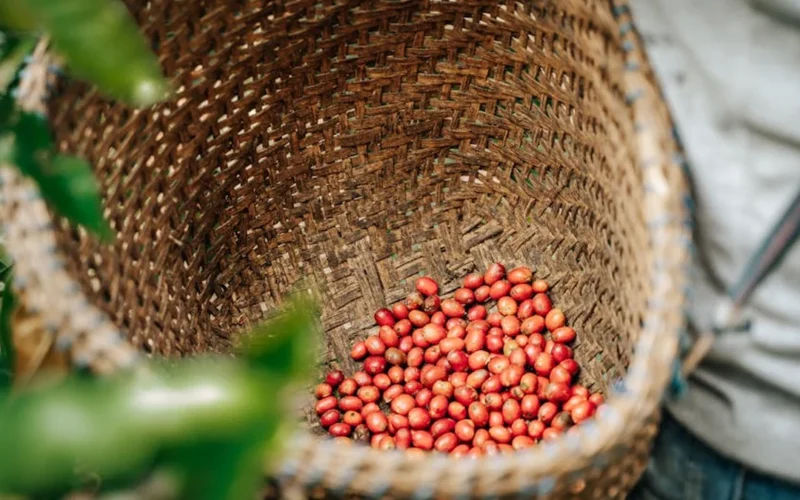
The real work begins in the fields, where small-scale farmers often sell to middlemen who take home 60% of the price, leaving growers with less than a dollar per pound. “We’re not just buying beans—we’re securing supply chains,” says one roaster. This means vetting farmers, negotiating contracts, and sometimes even funding infrastructure to lock in deals. The goal? Outmaneuver competitors and guarantee consistency.
Quality isn’t a buzzword—it’s a liability. “Good coffee is expensive to produce,” admits a sourcing manager. That’s why many companies invest in direct trade, but it’s not without risks. Farmers might prioritize volume over quality, or weather shifts could ruin a crop. Insiders stress that transparency isn’t just a trend—it’s the foundation of quality. “If you can’t trace a bean back to a farm, you’re gambling with your brand’s reputation.”
Transparency isn’t just a trend—it’s the foundation of quality coffee.
Certification bodies play a critical role in shaping sourcing practices and consumer trust. Organizations like Fair Trade and Rainforest Alliance set standards that influence how beans are bought, sold, and labeled. Yet, their impact is debated—some see them as vital tools for accountability, while others argue they can be manipulated or become a marketing shortcut. The truth is, they’re part of the system that determines who gets paid fairly and who doesn’t.
The conversation circles back to one truth: the coffee industry is as much about trust as it is about beans. But here’s the question—what’s your role in this? Are you a consumer demanding accountability, or a buyer ready to pay the price for ethical sourcing? Share your take.
Questions & Answers
How do coffee roasters secure supply chains?
Coffee roasters secure supply chains by vetting farmers, negotiating contracts, and sometimes funding infrastructure to ensure consistent bean quality. This process helps them outmaneuver competitors and maintain control over sourcing, which is critical for maintaining product standards and reliability.
Why is transparency important in coffee sourcing?
Transparency is vital in coffee sourcing because it ensures beans can be traced back to their origin, safeguarding a brand’s reputation. Without traceability, companies risk unknowingly supporting unfair practices, which can damage consumer trust and brand integrity.
What role do certification bodies play in coffee sourcing?
Certification bodies like Fair Trade and Rainforest Alliance set standards that influence how beans are bought, sold, and labeled. They aim to ensure accountability and fair treatment, though their impact is debated, as they can sometimes be manipulated or used as marketing tools.
How does direct trade affect coffee quality?
Direct trade affects coffee quality by allowing companies to invest in relationships with farmers, but it's not without risks. Farmers may prioritize volume over quality, and weather changes can impact crops. Insiders stress that transparency is key to maintaining quality and ensuring fair practices.
Originally reported by Reddit Coffee.