

⏱ 1 min read
The Short Version
Forget stout; Ireland is officially a wine-producing nation fueled by a massive surge in hardy hybrid plantings. By ditching fragile classics for disease-resistant varieties like Rondo, local winemakers are turning unpredictable climates into a sophisticated, organic new frontier.
In This Article
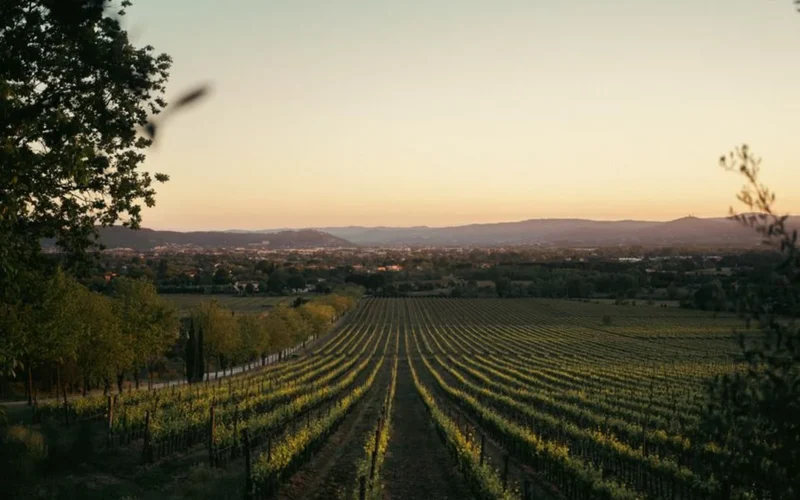
This is worth savoring: while the world associates Ireland with stout and whiskey, a quiet viticultural revolution is taking root in its soil. Though still small, the Republic is officially recognized by the European Commission as a wine-producing nation. The industry is moving past mere novelty toward serious scale, evidenced by a massive new planting near Slane featuring roughly 36,000 vines.
Using hybrids means we don't need sprays because they are disease resistant.
Survival through hybridization
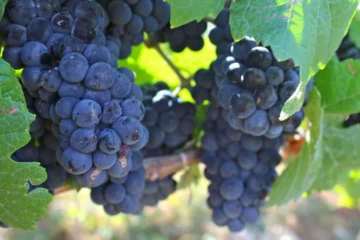
Success in this climate requires abandoning the vanity of classic varieties. While many newcomers mistakenly attempt to plant Pinot Noir or Chardonnay, veteran winemaker David Llewellyn warns that these grapes simply cannot survive the Irish extreme. Instead, the focus has shifted to hardy hybrids like Rondo and Madeline Angevine. These crossbred varieties are essential for managing the local volatility, offering natural resistance to disease without heavy chemical intervention. Using hybrids means we don’t need sprays because they are disease resistant. This approach allows producers like David Dennison of Viking Winery to lean into organic practices while navigating unpredictable spring frosts that threaten entire harvests.
Scaling the industry
The trajectory of Irish wine mirrors the northern shifts seen in Sweden and Denmark rather than the UK. As summer temperatures rise and weather patterns trend drier, certain east coast regions with sandy, free-draining soils are becoming increasingly viable for commercial production. However, growth must be tempered by quality control. To protect the sector’s burgeoning credibility, winemakers are organizing to ensure the label reflects true domestic craft rather than “fake” products using imported French grapes. The goal is not just more volume, but a refined standard that proves Irish terroir can compete on a global stage. As the industry moves toward professional associations and larger yields, do you think hybrid wines have a place in the mainstream market?
Questions & Answers
Why are hybrid grapes used in Irish wine production?
Hybrid grapes are used because they possess the hardiness necessary to survive Ireland's volatile climate and extreme weather conditions. Varieties like Rondo and Madeline Angevine provide natural resistance to diseases, which reduces the need for heavy chemical interventions or sprays. This inherent resilience allows local winemakers to adopt organic practices while protecting their harvests from unpredictable spring frosts that often threaten more delicate, classic grape varieties in the region.
How is the Irish wine industry expanding its production scale?
The Irish wine industry is scaling up through massive new vineyard plantings and a shift toward commercially viable regions. A significant example of this growth is a major new planting near Slane that features approximately 36,000 vines. Additionally, producers are targeting east coast regions with sandy, free-draining soils, which are becoming increasingly suitable for commercial viticulture as summer temperatures rise and weather patterns trend drier across the country.
What challenges do winemakers face when planting classic grape varieties in Ireland?
Winemakers face significant survival challenges when attempting to plant classic varieties like Pinot Noir or Chardonnay in the Irish climate. These traditional grapes are often unable to withstand the local environmental extremes and volatility characteristic of the region. Because these varieties lack the natural defenses found in hybrid crosses, they are much more susceptible to disease and weather disruptions, making them a risky choice for producers aiming for sustainable commercial success.
How are Irish winemakers protecting the credibility of their domestic wine label?
Winemakers are organizing into professional associations to ensure that the Irish wine label represents true domestic craft. Their primary goal is to maintain high quality control standards and prevent the sale of products made from imported French grapes being labeled as local. By focusing on refined standards and demonstrating the unique qualities of Irish terroir, they aim to build global competitiveness and prove that their domestic industry is a serious professional sector.
Originally reported by BBC.


[…] The transformation began in France, driven by advocates like Sylvain Pataille and Aubert de Villaine who proved this variety could produce serious, high-caliber white wines. By focusing on specific appellations like Bouzeron, they elevated a once-simple quaffing wine into a highly sought-after specialty. This resurgence has sent shockwaves across the Atlantic. Recently, Balsall Creek winery in Oregon’s Willamette Valley hosted the first American tasting dedicated exclusively to the grape, drawing a sold-out crowd of enthusiasts eager to taste its potential outside of Europe. Aligoté has transitioned from an occasional blending component into a star variety for serious whites. […]