

⏱ 1 min read
The Short Version
Over 1,000 people just transformed a Vietnamese hillside into a record-breaking teapot using nothing but traditional conical hats. This massive installation isn't just art; it’s a sophisticated strategic play to cement Thai Nguyen as a premier destination for cultural tourism.
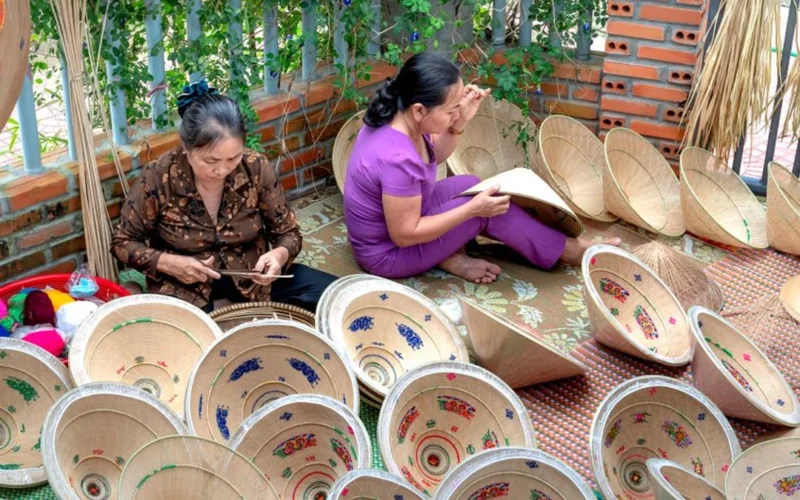
Consider this your morning briefing: the rolling hills of Thai Nguyen recently played host to more than just a harvest. In a massive display of communal artistry, roughly 1,000 residents and visitors gathered in Vo Tranh commune to construct a monumental teapot and tea blossom using nothing but traditional conical hats. This wasn’t merely a photo opportunity; it was a calculated effort to cement the region’s status as the heart of Vietnamese tea culture.
The teapot symbolizes connection, sharing, and hospitality.
Symbols of connection and identity
The scale of the installation earned recognition from the Vietnam Records Organisation for being the largest participant-led formation of a teapot symbol. For the local community, the choice of imagery was deliberate. The teapot serves as a universal emblem of hospitality and sharing, while the conical hat represents the diligence inherent in the province’s agricultural roots. The teapot symbolizes connection, sharing, and hospitality. By merging these icons, organizers aimed to create a visual bridge between ancestral traditions and modern regional pride.
Cultural tourism through design
Beyond the record-breaking formation, the “Experience Vo Tranh” program integrated fashion and heritage to elevate the local brand. Designer Han Phuong curated an Ao dai fashion show that utilized ethnic motifs inspired by the surrounding tea landscapes, reinterpreting cultural values through a contemporary lens. This multidisciplinary approach—combining large-scale art, textile design, and seminars on community-based tourism—is part of a broader strategy to transform Thai Nguyen into a primary destination on the national tourism map.
The ultimate goal is sustainable development rooted in provenance. By celebrating the specific identity of the Vo Tranh tea land, the commune hopes to turn its specialized production methods into a lasting economic engine driven by experiential travel. It is a sophisticated play to ensure that the legacy of the green hills remains both culturally preserved and commercially viable.
Do you think large-scale community art is an effective way to boost regional tourism?
Questions & Answers
What symbols were used to create the giant teapot in Thai Nguyen?
Traditional conical hats were used to construct the monumental teapot and tea blossom symbol. This massive installation was built by approximately 1,000 residents and visitors in Vo Tranh commune to celebrate the region's identity. The teapot serves as a universal emblem of hospitality and sharing, while the conical hats represent the diligence found in the province's agricultural roots. By merging these two icons, organizers created a visual bridge between ancestral traditions and modern regional pride.
Why did the Vietnam Records Organisation recognize the installation in Vo Tranh?
The Vietnam Records Organisation recognized the installation because it was the largest participant-led formation of a teapot symbol ever created. This massive display of communal artistry involved roughly 1,000 people working together to assemble the structure using traditional conical hats. Beyond just setting a record, the scale of the project served as a calculated effort to cement Thai Nguyen's status as the heart of Vietnamese tea culture through a significant public demonstration.
How is Thai Nguyen attempting to promote cultural tourism in its tea regions?
Thai Nguyen promotes cultural tourism by integrating large-scale art, textile design, and community-based tourism seminars into a multidisciplinary strategy. For example, the Experience Vo Tranh program featured an Ao dai fashion show curated by designer Han Phuong using ethnic motifs inspired by tea landscapes. This approach aims to elevate the local brand and transform the province into a primary national destination. The goal is to create sustainable development driven by experiential travel rooted in the region's specific identity.
What is the long-term economic goal for the Vo Tranh commune?
The long-term goal for the Vo Tranh commune is to achieve sustainable development by turning specialized tea production methods into a lasting economic engine. By celebrating the unique identity of the tea land through experiential travel, the community hopes to ensure its heritage remains both culturally preserved and commercially viable. This strategy focuses on leveraging regional provenance to drive tourism, ensuring that the legacy of the green hills provides ongoing economic benefits for the local population.
Originally reported by Báo VietNamNet.



[…] Once known as the “Black Gold” of the Silk Road, Fucha brick tea was once on the brink of extinction. For centuries, this fermented specialty relied on the unpredictable whims of nature to develop its signature character. Today, however, a high-tech renaissance is transforming this millennium-old tradition from a dusty relic into a mainstay of modern tea culture. […]
[…] a recent systematic review published in the European Journal of Nutrition suggests that green tea might offer a small, measurable […]