⏱ 2 min read
The Short Version
Forget the rigid, benchmark-heavy rosters of the past; modern wine lists are ditching encyclopedic rigor for narrative discovery. By trading "unicorn" bottles for curated vibes and literary themes, beverage directors are transforming intimidating menus into intuitive invitations for exploration.
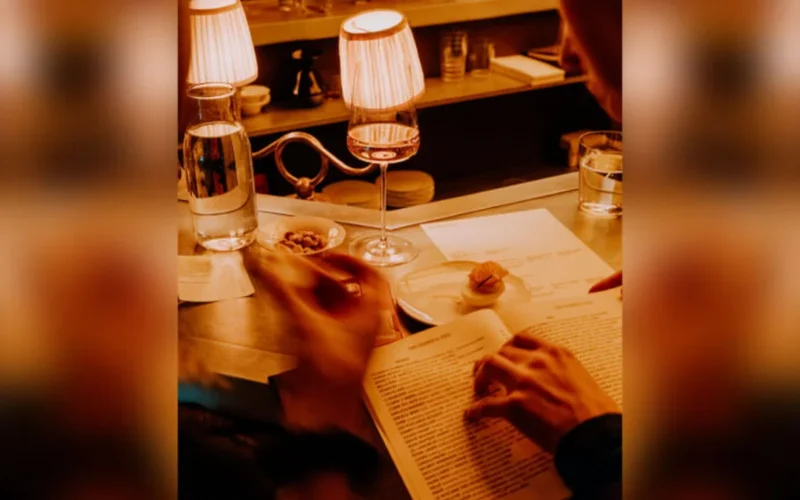
At Bibliotheque, a New York City wine bar and bookstore, the menu reads like a library catalog. Instead of traditional regions, guests navigate “Short Stories” for wines by the glass or “Young Adult” sections for bottles under $80. This playful restructuring is part of a larger industry pivot away from the rigid, benchmark-heavy rosters that defined the last decade.
Now, instead of just stacking your list with the most unicorn bottles possible, there is much more thought and curation.
From Encyclopedia to Curation
For years, the gold standard for an ambitious wine program was sheer scale—massive vertical collections and trophy bottles from classic regions designed to impress collectors. Alec Cummings, wine director at The Morris and Sirene, recalls that previous lists focused on encyclopedic references from benchmark producers. While the post-pandemic era briefly saw a return to high-spending on blue-chip wines, economic pressures have forced a more disciplined approach. Greg Lambrecht, founder of Coravin, notes that wine programs consume significant cash, leading many restaurants to shrink their total offerings.
Yet, this financial tightening has acted as a catalyst for creative curation. Even as selections narrow, data from Coravin’s U.S. By-the-Glass Report shows consumers want more variety, with 44 percent seeking a wider selection of wines by the glass. Beverage directors are responding by trading “unicorn” bottles for undervalued gems and wines adjacent to famous neighbors. Evan White, beverage director at Bludorn, observes: Now, instead of just stacking your list with the most unicorn bottles possible, there is much more thought and curation. This shift moves the focus from proving knowledge to facilitating discovery.
Designing for the Guest Experience
The next generation of drinkers is driving this change, pushing lists toward a more narrative, intuitive style. Scott Woltz, beverage director at Bibliotheque, argues that a wine list shouldn’t feel like a test or a prerequisite for enjoyment; it should feel like an invitation. At Sunken Cork in Kansas City, wines are described by their vibe—such as “picnic wine”—while Brasero in Chicago groups 100 South American wines under $100 by style rather than country. Other innovators, like Paul Greco’s Terroir, even use themed entries, such as a wine to toast Taylor Swift and Travis Kelce’s wedding.
Modern programs prioritize a distinct point of view over chasing established hierarchies. Pascaline Lepeltier of Chambers emphasizes that while encyclopedic lists will always exist, the real value now lies in exceptional service and guided interaction. Whether a program uses literary genres or flavor profiles to organize its cellar, the best lists today aim to spark conversation rather than demand expertise.
Do you prefer a traditional regional breakdown on a wine list, or do you find style-based categories easier to navigate?
Questions & Answers
Why are modern wine lists moving away from traditional regional classifications?
Modern wine lists are shifting toward narrative and intuitive styles to prioritize guest discovery over technical expertise. Instead of using rigid benchmarks, many establishments now organize selections by literary genres, flavor profiles, or specific moods to make the experience more inviting. For example, the wine bar Bibliotheque uses a library theme, categorizing wines under sections like Short Stories or Young Adult. This approach transforms the menu from a daunting test of knowledge into a creative tool for storytelling and conversation.
How are economic pressures affecting restaurant wine programs today?
Economic pressures are forcing restaurants to adopt more disciplined approaches to their wine selections by shrinking total offerings and reducing spending on expensive trophy bottles. Because maintaining massive collections consumes significant cash, beverage directors are moving away from high-cost unicorn bottles in favor of more curated, cost-effective lists. This financial tightening has actually acted as a catalyst for creativity, encouraging programs to focus on undervalued gems and wines that offer high value without the massive price tags of blue-chip producers.
What are some creative ways restaurants are organizing their wine menus?
Restaurants are using various thematic and vibe-based categories to help guests navigate their selections more easily. Some establishments describe wines by their intended setting, such as labeling a specific bottle as a picnic wine, while others group wines by style rather than country of origin. For instance, Brasero in Chicago organizes its South American wines by style, and some innovators even use pop culture themes to create engaging entries. These methods aim to facilitate a more intuitive and enjoyable guest experience.
How is consumer demand changing the way wine directors curate their lists?
Consumer demand is shifting toward a desire for greater variety, particularly within by-the-glass selections. Data indicates that approximately 44 percent of consumers are seeking a wider array of options when ordering by the glass, prompting beverage directors to rethink their curation strategies. Rather than simply stacking lists with famous, expensive producers, directors are now focusing on finding unique, adjacent wines that offer discovery. This shift moves the professional focus from proving encyclopedic knowledge to providing guided interaction and exceptional service.
Originally reported by SevenFifty Daily.