

⏱ 1 min read
The Short Version
Forget everything you know about heavy Chardonnay; this high-altitude Mendoza gem trades fruit dominance for sharp saline precision and botanical complexity. It’s a lean, architectural masterpiece defined by piercing tension and an unexpected, savory herbal core.
In This Article
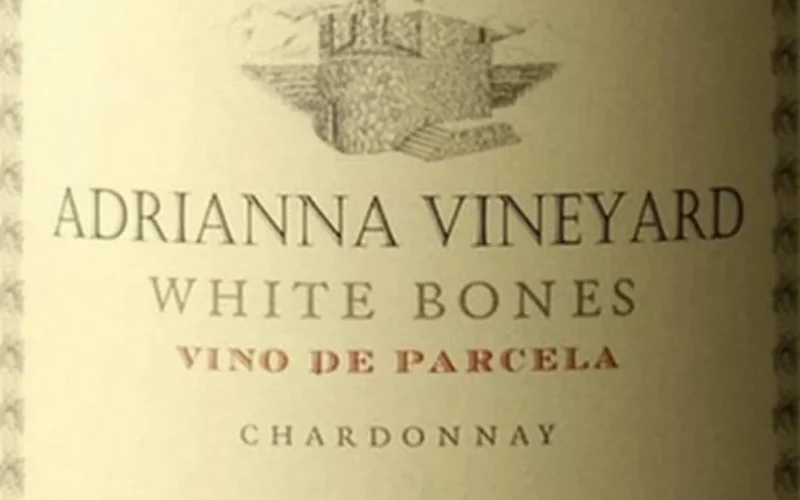
Listen up: the 2018 Catena Zapata White Bones is a rare instance where the descriptor unique actually feels earned. This isn’t your standard, heavy-handed Chardonnay; it presents a high-tension profile defined by saline precision and a lean, architectural structure that lingers on the palate.
It trades traditional fruit dominance for a sophisticated, savoury balance that feels entirely fresh.
A Savoury Shift
The experience begins with a strong herbal nose that initially commands the senses. As the wine breathes, those sharp notes resolve into something more nuanced, reminiscent of fresh mint or perhaps a subtle hint of fennel. It trades traditional fruit dominance for a sophisticated, savoury balance that feels entirely fresh. While there are flashes of tropical and barely ripe stone fruit, they never overwhelm the underlying botanical complexity.
Complexity Beyond Comparison
This wine manages to dance between brightness and depth without losing its way. The acidity is precise, cutting through the herbal layers to keep the palate engaged. Rather than being a mere academic exercise, the wine maintains a vibrant energy through its piercing tension and bright, citrus-driven core.
This distinctiveness stems from its extreme viticultural origins; the intense minerality is a direct consequence of the calcareous, limestone-rich soils found at high altitudes in Mendoza. This is Chardonnay reimagined through a lens of stony, herbaceous character. If you find yourself with the opportunity to secure a bottle, do not hesitate to pull the cork. It is a singular expression of what high-altitude viticulture can achieve when it breaks the rules.
Have you encountered a Chardonnay that completely subverted your expectations?
Questions & Answers
What are the flavor profiles of Catena Zapata White Bones 2018?
The flavor profile of Catena Zapata White Bones 2018 is defined by a sophisticated, savoury balance and strong herbal notes. While it features flashes of tropical and barely ripe stone fruit, these elements do not overwhelm the botanical complexity of the wine. As the wine breathes, the initial sharp scents resolve into more nuanced aromas reminiscent of fresh mint or subtle hints of fennel, providing a high-tension experience that departs from traditional fruit-dominant Chardonnays.
Why does Catena Zapata White Bones have such intense minerality?
The intense minerality of Catena Zapata White Bones is a direct result of its extreme viticultural origins in Mendoza. This distinct stony character stems from the calcareous, limestone-rich soils found at high altitudes within the region. By growing Chardonnay in these specific conditions, the wine achieves a unique architectural structure and saline precision. This high-altitude viticulture allows the wine to express a more herbaceous and mineral-driven profile than standard versions of the grape.
How does the acidity affect the tasting experience of this Chardonnay?
The precise acidity in Catena Zapata White Bones acts as a vital component that cuts through the various herbal layers to keep the palate engaged. This acidity helps the wine dance between brightness and depth, ensuring it maintains a vibrant energy throughout the tasting experience. Instead of feeling heavy or overwhelming, the piercing tension and bright, citrus-driven core create a lean structure that lingers on the palate without losing its sense of freshness.
What makes Catena Zapata White Bones different from standard Chardonnay?
Catena Zapata White Bones differs from standard Chardonnay by trading traditional fruit dominance for a savoury, high-tension profile. While many Chardonnays focus on heavy fruit characteristics, this expression emphasizes saline precision and a lean, architectural structure. It reimagines the grape through a lens of stony and herbaceous character rather than typical richness. This unique approach results in a singular expression that prioritizes botanical complexity and intense minerality over conventional tropical fruit notes.
Originally reported by Reddit Wine.



[…] this new acquisition with a 2017 Argentine Cabernet Sauvignon revealed the immediate impact of refined geometry. After two hours of decanting, the wine unfolded […]