⏱ 1 min read
The Short Version
While the market chases the opulence of 2015 and 2016, the overlooked 2014 vintage offers a masterclass in classical restraint. These mineral-driven, structured wines are hitting their prime right now, providing high-end elegance without the inflated price tags of their flashier neighbors.
In This Article
A difficult growing season that only corrected itself during a warm, dry September and October has left the 2014 Bordeaux vintage largely overlooked. While much of the conversation centers on the sheer richness of the legendary 2015 and 2016 seasons, 2014 offers something different: a more classical profile defined by freshness and structure. These wines are currently entering an ideal drinking window without the inflated price tags attached to their more famous neighbors.
It already drinks beautifully with some air, and I suspect there’s still room for development.
Structure Over Opulence
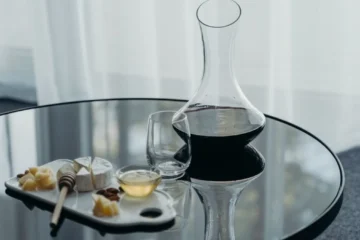
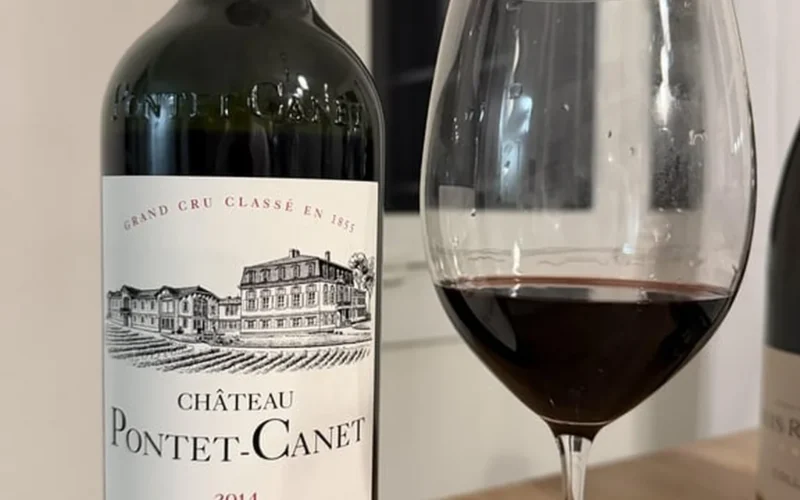
The character of these wines relies on maturity achieved late in the cycle, particularly for Cabernet Sauvignon. Rather than the heavy, fruit-driven weight seen in warmer years, the 2014s lean into a sense of precision. A recent tasting of a Pauillac from this vintage—paired with beef tenderloin and béarnaise sauce—revealed a powerful, concentrated profile marked by noticeable minerality and a long finish. Although the aromatic complexity was moderate, the tannins remained present but lost their initial aggression after five hours of slow-ox. It already drinks beautifully with some air, and I suspect there’s still room for development.
Comparative Value and Performance
When measured against other notable years, the nuances of 2014 become clearer. Comparing it to the 2011 vintage, which also earned a 94-point rating, the 2014 felt slightly more powerful and mineral, whereas the 2011 presented as smoother and more harmonious. This distinction suggests that 2014 is a vintage for those who value tension over pure silkiness. High-performing examples like La Mission Haut-Brion and Troplong Mondot reinforce the idea that this year holds significant potential for collectors seeking value and drinkability. At approximately CHF 85 (~$105), these bottles represent an accessible entry point into high-quality Bordeaux.
As the market continues to chase the “great” vintages, 2014 stands as a testament to the beauty of restraint and structural integrity. It is a vintage that rewards patience and a preference for classicism over modern excess.
Do you find yourself hunting for the massive, ripe profiles of recent Bordeaux decades, or do you prefer the leaner, more mineral-driven wines of more challenging years?
Questions & Answers
What are the main characteristics of the 2014 Bordeaux vintage?
The 2014 Bordeaux vintage is defined by a classical profile characterized by freshness, structure, and precision. Unlike warmer years that produce heavy, fruit-driven weight, these wines lean into mineral-driven tension and structural integrity. This profile resulted from a difficult growing season that only found balance during a warm, dry period in September and October. Consequently, the wines offer a sense of restraint and complexity rather than the massive, opulent fruit profiles found in more legendary, recent Bordeaux seasons.
How does the 2014 Bordeaux vintage compare to the 2011 vintage?
The 2014 vintage is generally more powerful and mineral-driven than the 2011 vintage. While both years have earned high ratings, such as 94 points, they offer distinct sensory experiences for collectors. The 2011 vintage is described as being smoother and more harmonious in its presentation. In contrast, the 2014 vintage is better suited for those who prefer tension and structural precision over pure silkiness, making it a unique option for drinkers who value classicism.
Why is the 2014 Bordeaux vintage considered a good value for collectors?
The 2014 Bordeaux vintage offers significant value because it provides high-quality drinkability without the inflated price tags associated with more famous years like 2015 or 2016. Collectors can find accessible entry points into high-quality bottles for approximately CHF 85, which is roughly $105. High-performing examples from estates such as La Mission Haut-Brion and Troplong Mondot demonstrate that this vintage holds great potential for those seeking premium wine at a more reasonable market price.
What is the ideal way to serve 2014 Bordeaux wines?
The best way to serve 2014 Bordeaux is to allow the wine to breathe, as they are currently entering an ideal drinking window. Because the tannins can be present and assertive, using a slow-ox method can help soften their initial aggression. For example, a Pauillac from this vintage showed significant improvement after five hours of aeration, revealing a concentrated profile and a long finish. This approach allows the wine's mineral qualities and structural complexity to shine more beautifully.
Originally reported by Reddit Wine.