Mendoza

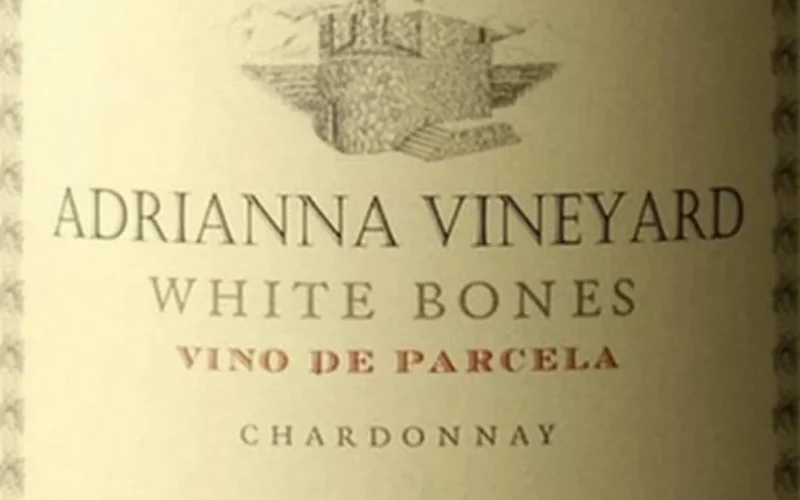
Catena Zapata White Bones 2018 Defies Chardonnay Expectations

Catena Zapata White Bones 2018 Defies Chardonnay Expectations

⏱ 1 min read The Short Version Forget everything you know about heavy Chardonnay; this high-altitude Mendoza gem trades fruit dominance for sharp saline precision and botanical complexity. It’s a lean, architectural masterpiece defined by piercing tension and an unexpected, savory herbal core. In This Article A Savoury ShiftComplexity Beyond Comparison Listen up: the 2018 Catena Zapata White Bones is a rare instance where the descriptor unique actually feels earned. This isn't your standard, heavy-handed Chardonnay; it presents a high-tension profile defined by saline precision and a lean, architectural structure that lingers on the palate. It trades traditional fruit dominance…
Read More
The Art of Terroir: Jesús Mendoza’s Vision for Rioja Wines

The Art of Terroir: Jesús Mendoza’s Vision for Rioja Wines

In the heart of Rioja’s vineyards, Jesús Mendoza is redefining what it means to bottle the land. As head oenologist at Bodegas Remírez de Ganuza, he’s not just crafting wine—he’s translating the soul of the Sierra Cantabria into liquid poetry. For over three decades, Mendoza has transformed the rugged hills of Álava into a canvas for contemporary Rioja, blending tradition with a relentless pursuit of authenticity. His latest projects, born from years of patience and precision, are proving that great wine isn’t about perfection—it’s about capturing the essence of place. Mendoza’s philosophy is rooted in simplicity: let the terroir speak.…
Read More
Chile’s High-Altitude Wines: A Stargazing Worthwhile Pursuit?

Chile’s High-Altitude Wines: A Stargazing Worthwhile Pursuit?

Listen up: The Andes aren’t just a backdrop for Chile’s vineyards—they’re a canvas. In the Cajón del Maipo region, 1,000–2,000 meters above sea level, winemakers are crafting small-batch Carmenère and Syrah blends that defy expectations. The question isn’t whether these wines rival Mendoza’s high-altitude legends—it’s whether they’re worth the detour. High-altitude viticulture is a game of extremes. Cooler temperatures slow grape ripening, preserving acidity and brightening flavors. In Cajón del Maipo, this translates to wines that feel fresher, more mineral-driven, and less reliant on oak. Carmenère, often bold and jammy in other regions, here shows a leaner, more savory side—think…
Read More