⏱ 1 min read
The Short Version
Two hours of decanting barely scratches the surface of this 2006 Mayacamas, which requires a massive four-hour aeration to unlock its true depth. Once it breathes, the profile shifts from bright red fruit to a sophisticated, Saint-Estèphe-style complexity of leather, cedar, and dark currant.
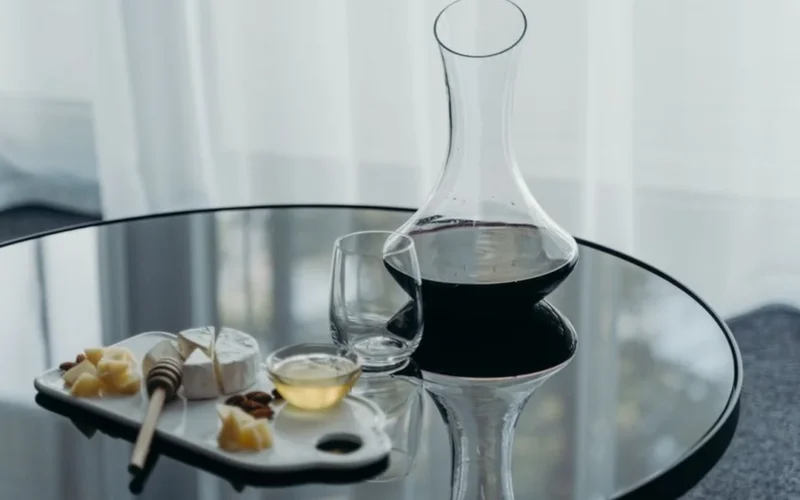
Decanting half a bottle of 2006 Mayacamas Cabernet Sauvignon for two hours reveals a wine that is deceptively youthful despite its twenty years of age. The initial hour presents a profile of crunchy red cherry, dark raspberry, and Chambord, underscored by notes of wet gravel and tobacco. While these primary fruit elements are present, they lack the full depth required to showcase the wine’s true potential, suggesting an immediate need for significant aeration.
The rest of the bottle the next day was much more complex.
Delayed Complexity through Aeration
The character of the wine shifts dramatically when revisited after sitting overnight. As the fruit matures into darker territory—specifically blackberry and black currant—the secondary layers begin to emerge with clarity. Notes of dried leaves, black tea, pencil shavings, and bay leaf integrate with more structural elements like toasted oak, cedar, coffee grounds, and leather. This transformation highlights how much aeration dictates the experience of this particular vintage.
The rest of the bottle the next day was much more complex.
Structure and Stylistic Parallels
What defines this Mayacamas is a long, vibrant finish driven by fine ballpoint tannins and a high, tense acidity that feels distinctly malic on the palate. The intensity of the profile draws a comparison to high-quality Saint-Estèphe producers like Cos d’Estournel, though it carries a greater sense of power. To access this dimension, it’s very enjoyable now provided you give a long decant — 4 hours+. Given its current state, this Cabernet remains in a period of development where it will likely continue to improve over the next decade. It stands as a testament to structural longevity and the necessity of patience when approaching aged Napa classics.
When tasting older Cabernet Sauvignon, do you prefer to drink it after a short aeration to catch the bright fruit, or do you wait for the full secondary complexity to unfold?
Questions & Answers
How does the flavor profile of a 2006 Mayacamas Cabernet Sauvignon change with aeration?
The flavor profile shifts from bright red fruit to much deeper, darker notes as the wine undergoes aeration. Initially, the wine presents crunchy red cherry, dark raspberry, and Chambord combined with wet gravel and tobacco. After sitting overnight, the fruit matures into blackberry and black currant. This process also allows secondary layers like black tea, pencil shavings, dried leaves, and cedar to emerge more clearly, providing a much more complex tasting experience.
What are the primary structural characteristics of this Mayacamas Cabernet Sauvignon?
This Cabernet Sauvignon is defined by a long, vibrant finish driven by fine ballpoint tannins and high, tense acidity. The acidity feels distinctly malic on the palate, contributing to the wine's overall structural intensity. These elements provide a sense of power and longevity that allows the wine to continue developing. Because of this strong structure, the wine is expected to continue improving over the next decade as it matures further.
How long should you decant an aged Mayacamas Cabernet Sauvignon to access its full complexity?
You should decant the wine for at least four hours to fully access its complex dimensions. While a two-hour decant reveals youthful red fruit, it may lack the depth required to showcase the wine's true potential. Significant aeration is necessary to allow the secondary layers like toasted oak, coffee grounds, and leather to integrate. Providing a long decant ensures the structural elements and darker fruit profiles are properly expressed.
Which wine styles is the 2006 Mayacamas Cabernet Sauvignon most similar to?
The intensity of this Mayacamas Cabernet Sauvignon draws stylistic parallels to high-quality Saint-Estèphe producers like Cos d’Estournel. While it shares a similar profile with these Bordeaux classics, it carries a noticeably greater sense of power. This comparison highlights the wine's impressive structural depth and its ability to balance intense fruit with complex secondary notes. It stands as a powerful example of a Napa classic with significant aging potential.
Originally reported by Reddit Wine.