

⏱ 2 min read
The Short Version
The era of the single-origin purist is yielding to a broader beverage revolution. From botanical lattes to rapid cold brew tech, the industry is pivoting toward functional, wellness-coded drinks that prioritize speed and customization over old-school coffee rituals.
In This Article
Pour yourself a cup for this one: World of Coffee Brussels 2026 was defined by more than just historic wins and record-breaking heat. While Nas Jaafar made history as Malaysia’s first World Brewers Cup Champion, the real story lived on the trade floor. The industry is moving beyond the traditional pillars of espresso and filter toward a broader, more diverse beverage landscape.
Coffee is no longer expanding only by becoming better coffee; it is expanding into a broader beverage platform.
Beyond the bean
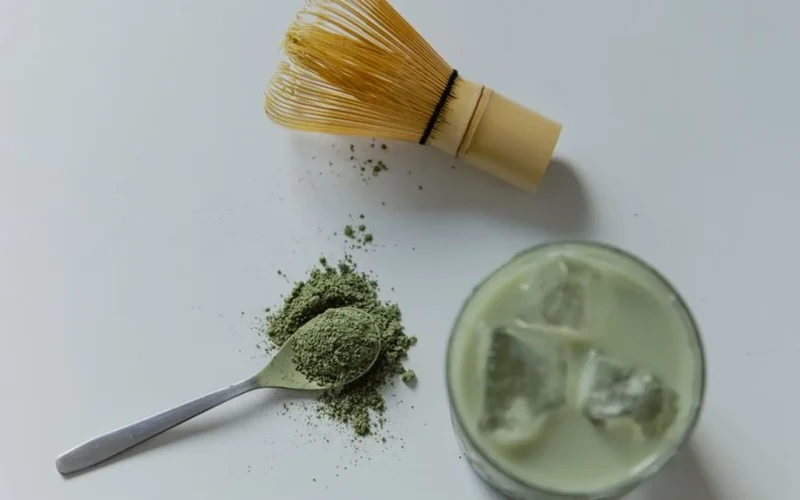
The market signal was unmistakable. While specialty coffee remains a powerhouse, growth energy is surging toward cold drinks, wellness-coded beverages, and tea-based innovations. Data from Mordor Intelligence suggests that while the European market continues to expand, certain niches are accelerating far faster than the baseline. Cold brew and oat milk, for instance, are seeing massive projected growth, signaling a permanent shift in consumer habits. Coffee is no longer expanding only by becoming better coffee; it is expanding into a broader beverage platform. This evolution is driven by younger consumers who prioritize convenience and customization over old-school rituals. We saw this play out through brands like La Fabrique à Latte, which introduced botanical latte mixes designed for low labor and high visual appeal. Similarly, Kage Matcha demonstrated that tea is no longer a side category but a structural ingredient for modern café menus. From functional sparkling drinks to yerba mate, the competition for the morning caffeine occasion has expanded to include any drink that offers energy, immunity, or hydration.
Precision meets speed
Innovation in equipment followed this same logic of workflow and repeatability. Rather than focusing solely on extraction quality, new tools are tackling the complexities of increasingly diverse menus. The LAF Neomade machine addressed the need for rapid iced cappuccino service, while Hardtank’s recirculation technology allows commercial cold brew to be produced in under an hour. Even home brewing is moving toward greater control and aesthetic simplicity. Timemore’s Black Mirror Dot scale utilizes a screen-free design to keep counters clean, and Pump My Moka reimagines the classic stovetop process with independent temperature control. Whether professional or domestic, the goal is clear: managing more variables across complexer menus without sacrificing consistency. As the industry moves toward Lisbon in 2027, the focus remains on balancing high-level specialty standards with the demand for speed and functional variety. Do you think coffee shops should expand their menus into wellness beverages, or should they stick to perfecting the bean?
Questions & Answers
What are the main trends driving the evolution of the coffee industry?
The coffee industry is evolving into a broader beverage platform by expanding beyond traditional espresso and filter coffee. This shift is driven by younger consumers who prioritize convenience, customization, and functional benefits over old-school rituals. Market growth is currently surging toward cold drinks, tea-based innovations, and wellness-coded beverages like botanical latte mixes. As the landscape diversifies, brands are increasingly competing for the morning caffeine occasion through drinks that offer energy, immunity, or hydration alongside traditional coffee options.
How is new equipment helping cafes manage more complex beverage menus?
New equipment helps cafes manage complex menus by focusing on workflow efficiency, speed, and repeatability rather than just extraction quality. For example, the LAF Neomade machine is designed to facilitate rapid iced cappuccino service to meet high demand. Additionally, Hardtank’s recirculation technology allows for commercial cold brew production in under an hour. These innovations allow professional baristas to manage a wider variety of drink types while maintaining consistent quality and meeting the modern consumer's need for speed.
Why are wellness-coded beverages becoming more popular in the specialty coffee market?
Wellness-coded beverages are gaining popularity because they cater to a growing demand for functional ingredients like energy, immunity, and hydration. Consumers are moving toward products that offer more than just caffeine, leading to the rise of items such as botanical latte mixes and matcha. Brands like Kage Matcha show that tea is becoming a structural part of modern cafe menus rather than a secondary category. This trend reflects a broader shift where coffee shops act as versatile beverage platforms for health-conscious drinkers.
What innovations are being introduced to the home brewing market?
Home brewing innovation is focusing on providing greater control and aesthetic simplicity for domestic users. The Timemore Black Mirror Dot scale, for instance, utilizes a screen-free design to help keep kitchen counters clean and uncluttered. Another example is Pump My Moka, which reimagines the classic stovetop process by adding independent temperature control. These advancements allow home enthusiasts to manage more variables across complex drink recipes while maintaining the high-level specialty standards typically found in professional cafe environments.
Originally reported by Barista Magazine.




[…] The win highlights a fundamental truth that many newcomers miss: roasting excellence is a collective effort rather than a solo performance. Vytautas Kratulis, founder of Huracán, argues that true quality is found in the infrastructure surrounding the bean. This includes sourcing, cupping, logistics, and the deep-rooted relationships maintained with producers across the globe. The world’s best roaster is not a person, but a system. While customers only see the final bag, that result is driven by hundreds of micro-decisions made long before the heat hits the drum. This systemic approach allows for consistency in a market that is increasingly crowded and volatile. Whether competing against established markets or emerging coffee-producing nations, the ability to replicate high-level results is what separates hobbyists from masters. The 2025 GCA circuit proved this, drawing thousands of samples from over 125 countries to establish a definitive international benchmark. […]