⏱ 2 min read
The Short Version
Geopolitical instability and strict EU deforestation laws are squeezing the coffee trade, threatening to lock small-scale Ethiopian farmers out of European markets. Meanwhile, industry players are pivoting through larger inventories, new roasting tech, and even passing tariff refunds directly to consumers.
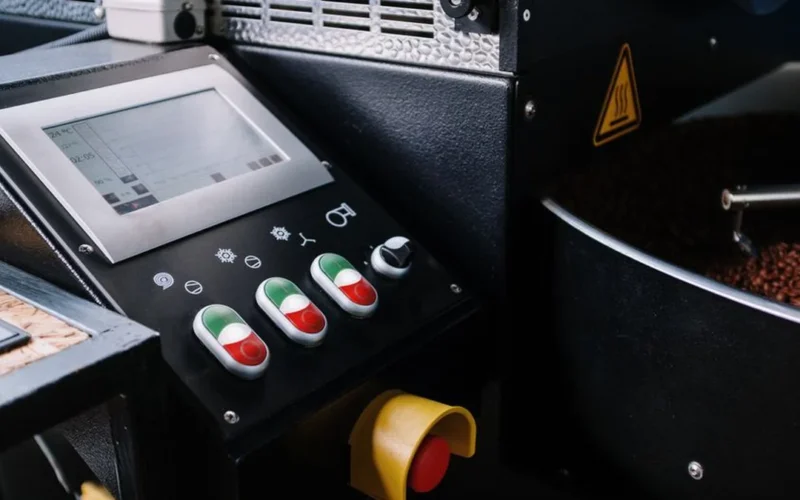
Mill City Roasters shipped its first 20-kilogram M-Series roasters on October 9, marking a significant expansion for the Minneapolis manufacturer. Having moved production in-house earlier this year, the company is scaling up its lineup beyond existing 6- and 10-kilogram models. The new machines feature RoastPath touchscreen controls, data logging, and remote diagnostics, with plans to introduce a 30-kilogram model by January 2027.
Traceability and legal documentation requirements under the EUDR could exclude Ethiopian small-scale coffee farmers from European markets.
Supply Chain Volatility and Regulatory Risks
Geopolitical instability is forcing a fundamental rethink of how coffee moves across borders. According to a Swissinfo report, Swiss coffee traders are pivoting toward alternative shipping routes and larger inventories to combat rising transportation costs and conflict-driven disruptions. At a recent Swiss Coffee Trade Association forum, attendees identified “war” as their primary concern, noting that longer voyages increasingly tie up essential working capital.
This logistical strain is compounded by emerging legislative hurdles. A policy paper from ODI Global warns that the European Union’s deforestation regulation (EUDR) could inadvertently trigger a “green squeeze,” potentially excluding small-scale Ethiopian farmers from European markets due to stringent traceability and documentation requirements. Traceability and legal documentation requirements under the EUDR could exclude Ethiopian small-scale coffee farmers from European markets. Meanwhile, the European Coffee Federation has released new container-handling guidance to mitigate risks related to moisture, odors, and loading arrangements during ocean transport.
Corporate Shifts and Labor Movements
The industry’s internal landscape is seeing similar turbulence, from litigation to unionization. The long-standing dispute between Compass Coffee co-founder Harrison Suarez and owners Michael and Robert Haft has ended in a confidential settlement and voluntary dismissal in Washington D.C. federal court. This follows the sale of Compass assets to Caffè Nero earlier this year. In New York, workers at Blue Bottle Coffee’s World Trade Center location have launched an organizing drive with the Blue Bottle Independent Union, citing issues with wages and scheduling.
Other market players are responding to economic pressures through direct consumer action. St. Louis-based Blueprint Coffee announced it is passing tariff refunds back to customers via a 5% discount code for roasted coffee. At the research level, the University of Hawaiʻi at Mānoa has secured $8 million for a federally funded program focused on developing disease- and drought-resistant varieties.
Do you believe strict deforestation regulations like the EUDR will ultimately help or hurt smallholder farmers in emerging markets?
Questions & Answers
How is the EUDR regulation impacting small-scale coffee farmers?
The European Union’s deforestation regulation could potentially exclude small-scale Ethiopian coffee farmers from European markets. This occurs because the new legislation imposes stringent traceability and documentation requirements that may be difficult for smaller producers to meet. This phenomenon is described as a green squeeze, where regulatory hurdles inadvertently create barriers to entry for farmers in emerging markets. Such challenges highlight the tension between environmental protections and the economic accessibility of global trade for smallholder agricultural communities.
What new features are included in Mill City Roasters' M-Series machines?
The new M-Series roasters from Mill City Roasters feature RoastPath touchscreen controls, data logging capabilities, and remote diagnostics. These 20-kilogram machines represent a significant expansion for the Minneapolis manufacturer as they scale up production beyond their previous 6-kilogram and 10-kilogram models. The company recently moved its production processes in-house to facilitate this growth. Looking forward, the manufacturer plans to further expand this specific product lineup by introducing a larger 30-kilogram model by January 2027.
Why are Swiss coffee traders changing their shipping and inventory strategies?
Swiss coffee traders are pivoting toward alternative shipping routes and maintaining larger inventories to combat rising transportation costs and geopolitical disruptions. Conflict-driven instability has become a primary concern for industry professionals, as longer voyages required by these disruptions tie up essential working capital. By adjusting their logistics and increasing stock levels, traders aim to mitigate the risks associated with global volatility. These strategic shifts are necessary responses to ensure a steady supply despite the increasing unpredictability of international maritime routes.
How are coffee companies responding to economic and legal pressures?
Coffee companies are utilizing various strategies ranging from consumer discounts to labor organizing to navigate industry turbulence. For example, Blueprint Coffee is passing tariff refunds back to its customers through a 5% discount code on roasted coffee products. In the labor sector, employees at Blue Bottle Coffee’s World Trade Center location have launched an organizing drive with the Blue Bottle Independent Union to address wage and scheduling concerns. Additionally, companies are managing legal transitions, such as the recent confidential settlement involving Compass Coffee assets.
Originally reported by Daily Coffee News.