
⏱ 1 min read
The Short Version
Stop leaving your oyster selection to chance. By mapping 15 varieties across a spectrum of brine and creaminess, Maison Premiere expert Ben Crispin turns intimidating menus into a precise science of flavor and texture.
In This Article
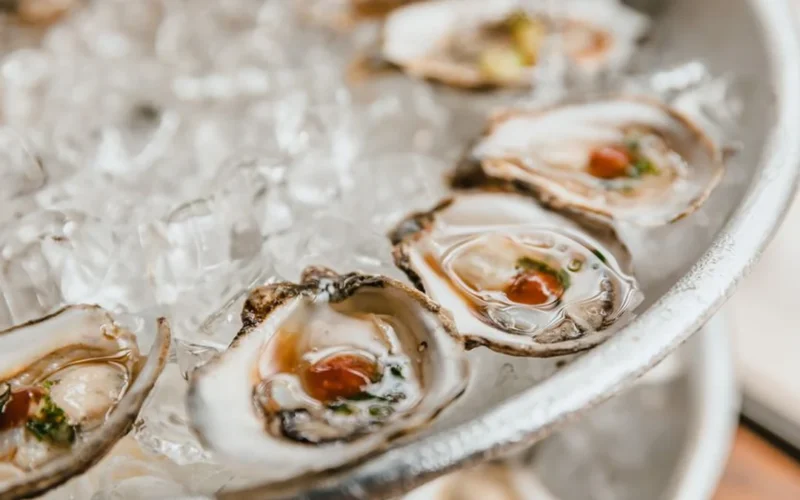
Oysters are often served as a glamorous centerpiece on towers of crushed ice, paired with Champagne, a salty Sancerre, a crisp Martini, or even a pint of Guinness. Yet, for many diners, navigating an oyster menu is far more intimidating than reading a wine list. Names like Blue Point, Pemaquid, and Bombazine can feel like a foreign language, leaving guests to hope they receive something close to their preferred palate. Because restaurants rarely provide a dedicated bivalve expert to guide selections, much of the experience relies on luck rather than intent.
To help make your oyster-ordering experience a bit easier, VinePair tapped Ben Crispin, general manager at Maison Premiere, one of Brooklyn’s most celebrated raw bars, to describe the flavors and textures of 15 different varieties.
Navigating Brine and Creaminess
The sensory experience of an oyster depends entirely on its variety and origin. To order with confidence, diners should first decide between two primary flavor poles: briny or creamy. A briny oyster offers the sensation of a gulp of fresh salt water, while creamier varieties lean toward a subtle sweetness. Beyond flavor, texture serves as the second critical metric. Some oysters offer a meaty, hefty bite that lingers, whereas others remain lean and easy to swallow.
To help make your oyster-ordering experience a bit easier, VinePair tapped Ben Crispin, general manager at Maison Premiere, one of Brooklyn’s most celebrated raw bars, to describe the flavors and textures of 15 different varieties. This breakdown allows you to categorize any shell by how it balances salinity against richness.
Decoding Texture and Weight
Understanding the physical structure of the meat is just as vital as identifying the salt content. Using expertise from Ben Crispin, oyster profiles can be charted across scales ranging from lean to meaty. This allows a diner to move past aesthetic appreciation and toward precise selection. Whether you are seeking a heavy, substantial morsel or something light and refreshing, knowing where a specific name falls on the spectrum prevents the disappointment of an unexpected texture. Selecting by profile ensures every half shell meets your expectations.
Do you prefer oysters with a sharp, salty brine or those with a richer, creamy finish?
Questions & Answers
How can you distinguish between different oyster flavor profiles?
You can distinguish between oyster flavor profiles by deciding whether you prefer a briny or a creamy sensation. A briny oyster provides a sharp taste similar to a gulp of fresh salt water, which is often preferred by those seeking high salinity. In contrast, creamier varieties lean toward a subtle sweetness rather than saltiness. Understanding these two primary flavor poles allows diners to navigate complex oyster menus with more confidence and intent.
What role does texture play when selecting an oyster?
Texture serves as a critical metric for selecting an oyster alongside its specific flavor profile. Oysters can range from being lean and easy to swallow to having a meaty, hefty bite that lingers on the palate. By understanding the physical structure and weight of the meat, a diner can move past simple aesthetic appreciation toward a more precise selection. This ensures the oyster meets specific expectations regarding how substantial or light the morsel feels.
What are common beverage pairings for serving oysters?
Common beverage pairings for oysters include Champagne, salty Sancerre, a crisp Martini, or even a pint of Guinness. These drinks are often used to complement the different sensory experiences provided by various bivalve varieties. While oysters are frequently served as a glamorous centerpiece on towers of crushed ice, choosing the right drink helps balance the salinity and richness of the shells. These pairings help elevate the dining experience from a matter of luck to one of intent.
Why is it difficult for many diners to order oysters from a menu?
Ordering oysters is difficult because many menus use specific variety names like Blue Point, Pemaquid, or Bombazine that can feel like a foreign language. Without a dedicated bivalve expert present to guide selections, guests often struggle to know which shells align with their preferred palate. This lack of guidance means that many diners rely on luck rather than knowledge when choosing between different levels of brine, creaminess, and meatiness.
Originally reported by VinePair.