

⏱ 1 min read
The Short Version
Forget the Arabica monopoly; Blue Bottle is betting on Excelsa, a rare species making up less than one percent of global production. These bold new releases trade traditional profiles for funky, fruit-forward notes like lychee and dark rum to redefine specialty coffee.
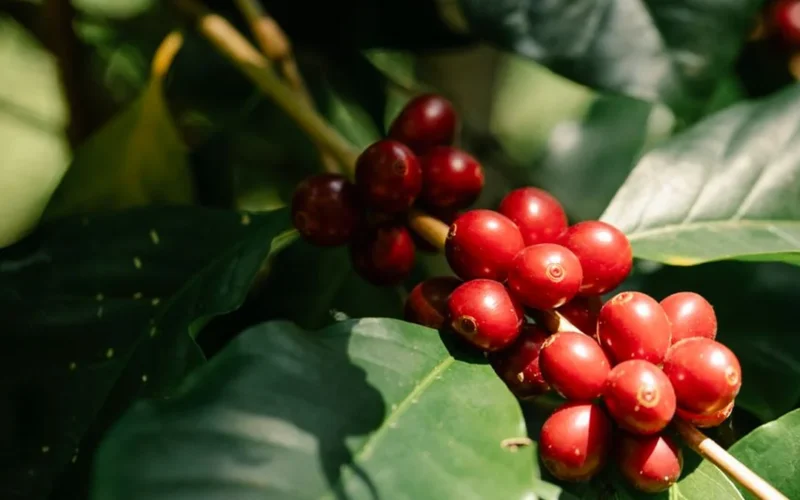
Time to spill: specialty coffee has spent decades obsessing over Arabica, often ignoring the vast potential of other species. Blue Bottle Coffee is challenging that status quo by centering its latest autumn limited releases on Excelsa, a variety that accounts for less than one percent of global production. This isn’t just about novelty; it is a strategic move toward flavor innovation and industry resilience.
This process aims to tease out intense body and fruit-forward characteristics.
Exploring the Flavor Profile of Excelsa
The first release, Exceedingly Rare Vietnam Quang Tri 96B Excelsa Natural, offers a masterclass in processing complexity. Sourced from Vietnam’s Quang Tri region, these beans underwent a rigorous 120-hour anaerobic fermentation followed by a 30-day slow-drying period. This process aims to tease out intense body and fruit-forward characteristics. The resulting cup moves away from traditional coffee profiles, delivering bright notes of lychee, papaya, and stevia. It is an intentional departure from the expected, designed for those seeking unconventional sensory experiences.
Beyond the Arabica Standard
Blue Bottle is also experimenting with hybridity through its Beyond Arabica blend. By pairing Excelsa from South India Coffee Company with Robusta from Great Cherry in Vietnam, they have created a profile defined by heavy, dark notes like sweet tobacco, sarsaparilla, and dark rum. While many purists shy away from Robusta, this blend uses it to provide a structural foundation for the more volatile Excelsa. These releases follow successful explorations of underrepresented species at Blue Bottle’s studio experiences across Japan, Korea, and Hong Kong. By bringing these rare varieties to a wider audience via online sales and pour-over options, the brand is betting that consumers are ready to look past the Arabica monopoly. This shift highlights how species diversity can drive both producer value and new culinary frontiers in a changing climate. Are you willing to trade your usual Arabica ritual for the funkier notes of Excelsa?
Questions & Answers
What does Excelsa coffee taste like?
Excelsa coffee is known for its unconventional and fruit-forward flavor profile that differs significantly from traditional varieties. When processed through anaerobic fermentation, it can deliver bright and intense notes of lychee, papaya, and stevia. Other blends incorporating Excelsa may also showcase heavier, darker characteristics such as sweet tobacco, sarsaparilla, and dark rum. These unique sensory experiences make the species an attractive option for coffee drinkers looking to move beyond the standard flavor profiles typically associated with Arabica beans.
How does Blue Bottle process its Vietnam Quang Tri Excelsa beans?
The Exceedingly Rare Vietnam Quang Tri 96B Excelsa Natural undergoes a rigorous processing method involving 120 hours of anaerobic fermentation. Following this intense fermentation period, the coffee beans are subjected to a slow-drying process that lasts for 30 days. This specific combination of extended fermentation and controlled drying is designed to tease out complex body characteristics and highlight the bright, fruity notes inherent in the variety. Such meticulous processing helps transform the rare species into a sophisticated specialty coffee experience.
Why is Blue Bottle Coffee focusing on coffee species other than Arabica?
Blue Bottle is prioritizing non-Arabica species to drive flavor innovation and increase industry resilience through greater biodiversity. By exploring varieties like Excelsa, which accounts for less than one percent of global production, the brand aims to challenge the current Arabica monopoly in the specialty coffee market. This strategic shift also seeks to increase value for producers and explore new culinary frontiers. These efforts follow successful experimental releases at studio experiences located throughout Japan, Korea, and Hong Kong.
What ingredients are used in the Beyond Arabica blend?
The Beyond Arabica blend is composed of Excelsa beans from South India Coffee Company paired with Robusta sourced from Great Cherry in Vietnam. This combination uses the structural foundation of Robusta to support the more volatile and complex characteristics of the Excelsa variety. The resulting flavor profile is defined by deep, heavy notes including dark rum, sarsaparilla, and sweet tobacco. By blending these two distinct species, the coffee achieves a unique complexity that departs from standard single-species offerings.
Originally reported by Global Coffee Report.


[…] the team has moved past “boundary-tree folklore” to scientifically confirm species like Excelsa and develop interspecies hybrids. The hope isn’t to have Excelsa or these hybrids replace Arabica […]
[…] what you need to know: longevity in the specialty coffee industry isn’t just about bean quality; it is about surviving shifts in consumer culture. When Tom and […]