Blog

Why Your Teeth Are Turning Green After That Matcha Brew

Why Your Teeth Are Turning Green After That Matcha Brew

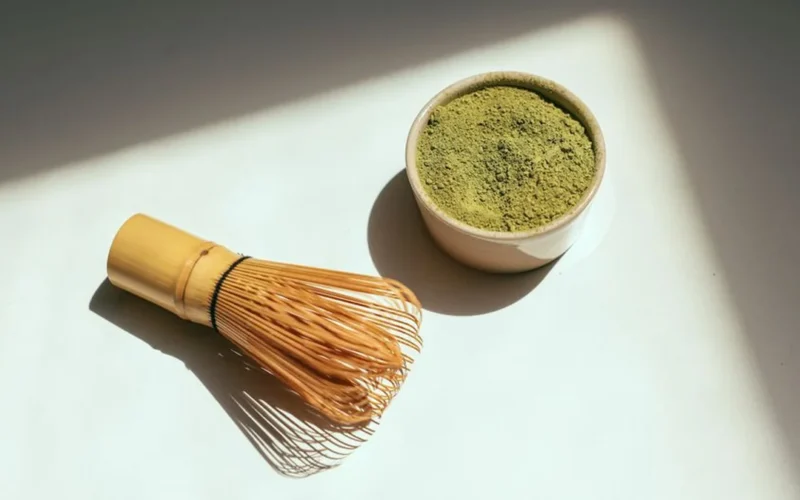
Coffee lovers, wine enthusiasts, tea devotees—your teeth just got a neon makeover. That vibrant green stain from your matcha isn’t a sign of a supernatural curse or a failed experiment in alchemy. It’s a byproduct of chlorophyll, the same pigment that makes spinach look like it’s been dipped in paint. But here’s the kicker: this isn’t always a natural occurrence. Some matcha powders, particularly lower-quality ones, may contain added green pigments to mimic the color of fresh leaves. While these additives are generally safe, they’re not a sign of superior craftsmanship. The real story lies in the chemistry of matcha…
Read More
China’s Matcha Ambitions Challenge Japan’s Legacy

China’s Matcha Ambitions Challenge Japan’s Legacy

The global matcha market is heating up—and Japan isn’t the only player in the game. As demand for the vibrant green powder soars, China is closing the gap, with producers refining techniques once dismissed as inferior. Japanese tea industry leaders, after tasting Chinese matcha, are split: some praise its bold flavor and affordability, while others warn of a threat to tradition. This isn’t just about competition; it’s a clash of histories, methods, and claims to authenticity. Matcha’s roots trace back to China’s Song Dynasty (960–1279), where “Diancha” or “Mocha” was a powdered tea ritual. The practice later migrated to Japan,…
Read More
The Unpleasant Aroma of Pu’er: A Growing Concern for Enthusiasts

The Unpleasant Aroma of Pu’er: A Growing Concern for Enthusiasts

Coffee lovers, wine enthusiasts, tea devotees—here’s a problem you might not have noticed yet. Pu-er, once a symbol of earthy depth and complexity, is increasingly marred by a pervasive, off-putting scent. Described as “dusty grandma ashes” or the lingering smell of mothballs in old drawers, this aroma has turned even the most dedicated tea drinkers off. It’s not just a minor flaw—it’s a trend rippling through the industry, from Yunnan Sourcing to Vital Tea Leaf and Tea & Whisk. The issue isn’t limited to a single seller. Users report that half of their Yunnan Sourcing samples and one cake exhibit…
Read More
The Sticky Rice Shou Puer That Defied Expectations

The Sticky Rice Shou Puer That Defied Expectations

Here’s what you need to know: Ohio Tea Company’s sticky rice shou puer isn’t your typical rock puer. This sample, sourced from Taobao, delivered a revelation in aroma, texture, and brewing nuance. At first sip, the tea’s bitterness hinted at a common shou pitfall—until the temperature dropped to 90°C. The shift dissolved the harshness instantly, revealing layers of floral sweetness and a velvety mouthfeel. Unlike rock puer, which relies on fermented herbs, this version features the herb pressed directly into the cake. Nuo Mi Xiang (Semnostachya menglaensis), a rare plant, is the unsung hero here. Its earthy yet floral notes…
Read More
Why Young Sheng Pu’er Feels One Note—and What You Can Do About It

Why Young Sheng Pu’er Feels One Note—and What You Can Do About It

Time to spill: I’ve poured through seven young sheng pu’er teas, and they all taste like the same muted green tea with a hint of earth. It’s not that they’re boring—it’s that they’re all whispering the same thing. Maybe I’m missing the nuance, or maybe I just need to chase higher-quality leaves. Either way, this uniformity is puzzling. Young sheng, or raw pu’er, is meant to evolve over time, but when it’s fresh, the differences between batches often blur. The examples I’ve tried—Mei Leaf’s 2024 Gusha, White2Tea’s 2025 Day, Jesse’s Tea House Sister Ai’s Everyday Ancient Tree—share a common thread:…
Read More
A Masterclass in Puer: The Dayi 2010 7542 001 Raw Pu’er Revealed

A Masterclass in Puer: The Dayi 2010 7542 001 Raw Pu’er Revealed

The verdict is in: this Dayi 2010 7542 001 raw pu'er isn’t just a tea—it’s a conversation. From the first steep, it delivers buttery sweetness with a whisper of straw and sweet bread, setting the stage for a journey through evolving flavors. The duanni clay pot and just-off-boil water amplify its character, offering a balance between accessibility and complexity that’s rare in aged puers. What makes this tea stand out is its ability to shift with each infusion. The initial flash steeping yields a light, grassy profile with a creamy mouthfeel, while later steeps introduce tobacco, banana, and a lingering…
Read More
Brewing Tea Without Boiling Water: A Survival Guide

Brewing Tea Without Boiling Water: A Survival Guide

When you’re in a mental health clinic with only lukewarm water, brewing tea isn’t just a luxury—it’s a lifeline. The absence of kettles, microwaves, and even sunny skies turns a simple ritual into a puzzle. But here’s what you need to know: tea doesn’t require boiling water to shine. With a few adjustments, you can coax flavor from your teabags and powdered milk without sacrificing comfort. Start by embracing the lukewarm water as your ally. While it lacks the intensity of boiling, it’s still warm enough to steep most black teas. For English Breakfast, aim for 5–7 minutes instead of…
Read More
A Tea Lover’s Secret Trip to China’s Legendary Tea Regions

A Tea Lover’s Secret Trip to China’s Legendary Tea Regions

Get ready to sip on this: A recent road trip through China’s tea heartlands unearthed treasures that blend tradition, terroir, and unexpected charm. From the misty hills of Hangzhou to the rugged peaks of Huangshan, the journey was less about sightseeing and more about savoring the quiet artistry of tea-making. Here’s what made the haul unforgettable. The first stop was Hangzhou, where I snagged a 2026 harvest Longjing—China’s iconic dragonwell green tea. At ¥126 for 50 grams, it was the cheapest option, but the scent alone was enough to make my mouth water. The seller, a local vendor, explained how…
Read More
The Naked Peeing Boy Teapot: A Curious Artifact of Chinese Tea Culture

The Naked Peeing Boy Teapot: A Curious Artifact of Chinese Tea Culture

Let’s talk about the teapot that’s equal parts whimsical and weird. That’s right—the naked peeing boy, a fixture in Chinese teaware for decades. It’s the kind of design that either baffles or bewitches, depending on your tolerance for absurdity. For years, this figure has been a staple in tea rooms, but its origins are steeped in folklore. Legend says the boy pees when the water reaches the perfect temperature, a trick that’s less magical than it is a clever way to gauge brewing readiness. Yet, for many, the figure’s appeal lies in its cheeky irreverence, not its utility. The teapot…
Read More
Cheese and Natural Wine Pairings That Elevate Every Bite

Cheese and Natural Wine Pairings That Elevate Every Bite

Listen up: Natural wines aren’t just for purists—they’re foodie magic. These low-intervention bottles, with their wild textures and faint funk, unlock hidden layers in cheese that conventional pairings can’t. At the Wisconsin Art of Cheese Festival, Square Wine Co.’s Andrea Hillsey showed how the right natural wine can turn a humble wheel into a revelation. From creamy brie to bold blue-veined cheddar, her pairings prove that the best matches aren’t about matching flavors—they’re about balancing tension and harmony. Take Schroeder Käse’s silky triple crème, a mushroomy dream that needs a wine with character. Hillsey’s go-to? A pét-nat, that fizzy, yeast-driven…
Read More