Coffee lovers, wine enthusiasts, tea devotees—your teeth just got a neon makeover. That vibrant green stain from your matcha isn’t a sign of a supernatural curse or a failed experiment in alchemy. It’s a byproduct of chlorophyll, the same pigment that makes spinach look like it’s been dipped in paint. But here’s the kicker: this isn’t always a natural occurrence. Some matcha powders, particularly lower-quality ones, may contain added green pigments to mimic the color of fresh leaves. While these additives are generally safe, they’re not a sign of superior craftsmanship.
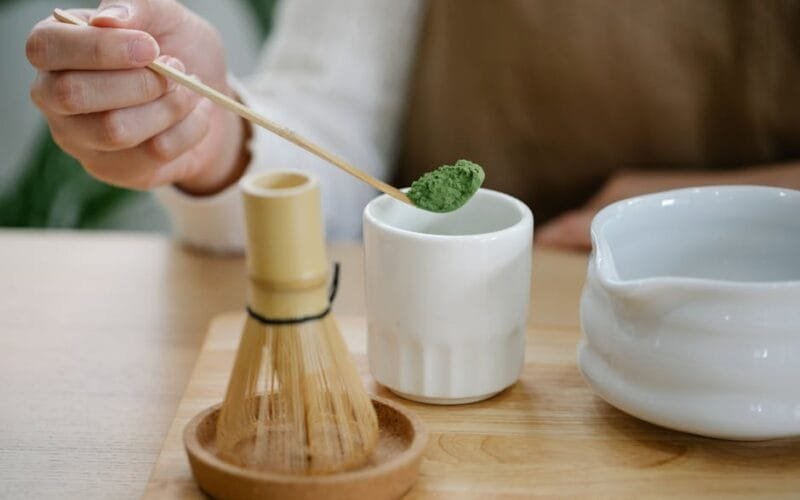
The real story lies in the chemistry of matcha itself. When brewed, the high concentration of tannins and chlorophyll interacts with saliva and enamel, creating a staining effect. This is why even premium matcha can leave a mark—especially if you’re drinking it black or using a traditional bamboo whisk. The stain isn’t permanent, but it’s a reminder that matcha isn’t your average green tea. It’s a concentrated elixir, and its boldness comes with a side of oral drama.
If you’re concerned about the stain, the solution is simpler than you think. Rinse your mouth with water immediately after drinking, use a straw to minimize contact with teeth, or brush with a whitening toothpaste. But don’t panic—if the stain fades within a day or two, it’s just a temporary cosmetic hiccup. However, if the color lingers or feels off, it’s worth questioning the source. A reputable matcha brand should prioritize quality over gimmicks.
Key points: The green stain is largely due to chlorophyll and tannins, not a flaw in your teeth. Some matcha powders may include artificial green pigments to enhance color. To reduce staining, rinse, brush, or use a straw.
What’s your go-to method for avoiding matcha stains.
What’s your go-to method for avoiding matcha stains? Share your hacks below.
Questions & Answers
Does matcha stain teeth permanently?
No, matcha stains are temporary. They can be reduced with brushing or whitening products. Regular oral care helps prevent long-term discoloration.
Can matcha cause tooth sensitivity?
Yes, matcha’s tannins may cause temporary sensitivity. Rinsing after drinking and using desensitizing toothpaste can help alleviate this.
Information sourced from industry reports and news outlets.