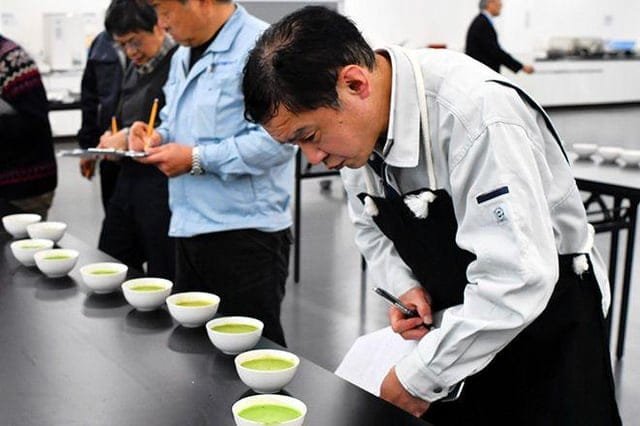
The global matcha market is heating up—and Japan isn’t the only player in the game. As demand for the vibrant green powder soars, China is closing the gap, with producers refining techniques once dismissed as inferior. Japanese tea industry leaders, after tasting Chinese matcha, are split: some praise its bold flavor and affordability, while others warn of a threat to tradition. This isn’t just about competition; it’s a clash of histories, methods, and claims to authenticity.
Matcha’s roots trace back to China’s Song Dynasty (960–1279), where “Diancha” or “Mocha” was a powdered tea ritual. The practice later migrated to Japan, evolving into the Zen-influenced ceremony that defines modern matcha. Yet China’s resurgence isn’t just about nostalgia—it’s about innovation. Producers are experimenting with higher-grade leaves, faster processing, and lower prices, making matcha accessible to a broader audience. While Japan’s Gyokuro and shaded-leaf methods remain iconic, China’s scale and efficiency are rewriting the rules.
The debate isn’t just technical. Japanese purists argue that matcha’s soul lies in its meticulous cultivation and centuries-old rituals. Chinese producers, meanwhile, frame their efforts as a natural evolution, not a betrayal. The result? A market where authenticity is subjective, and quality is measured in both tradition and adaptability. With China now producing over 60% of the world’s matcha, the question isn’t whether the global scene is changing—it’s how deeply that shift will reshape the craft.
Key points: The history of matcha is a contested narrative, with China’s Song Dynasty as its birthplace. Chinese producers are redefining matcha through scale and innovation, challenging Japan’s dominance. The market’s future hinges on balancing tradition with accessibility.
How do you see this rivalry shaping the drink you love.
What if the next chapter of matcha isn’t about defending heritage, but redefining it? How do you see this rivalry shaping the drink you love?
Questions & Answers
Is China catching up to Japan in matcha production?
Yes, China is refining matcha techniques and closing the gap, with producers offering bold flavors at lower prices.
Where did matcha originate?
Matcha originated in China’s Song Dynasty as “Diancha” or “Mocha,” later evolving in Japan into the Zen-inspired tea ceremony.
Information sourced from industry reports and news outlets.