Get ready to sip on this: A recent road trip through China’s tea heartlands unearthed treasures that blend tradition, terroir, and unexpected charm. From the misty hills of Hangzhou to the rugged peaks of Huangshan, the journey was less about sightseeing and more about savoring the quiet artistry of tea-making. Here’s what made the haul unforgettable.
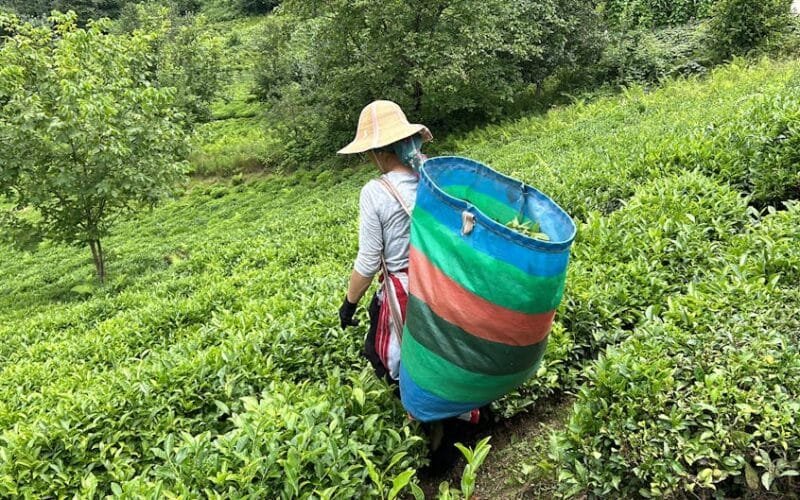
The first stop was Hangzhou, where I snagged a 2026 harvest Longjing—China’s iconic dragonwell green tea. At ¥126 for 50 grams, it was the cheapest option, but the scent alone was enough to make my mouth water. The seller, a local vendor, explained how freshness matters: “The best Longjing is harvested just before dawn, when the dew hasn’t dried.” I took their advice, buying only a small batch to savor its vibrant, almost grassy notes.
Next, Huangshan’s famed Huangshan Maofeng and Taiping Houkui stole the show. While Maofeng’s floral profile was pleasant, Taiping Houkui left a deeper impression. The seller emphasized that top-grade Taiping Houkui must have unbroken leaves—a sign of slow, careful hand-picking. I opted for the budget-friendly version at ¥250 for 50g, sipping its smoky, sweet aroma with reverence. The contrast between the two teas highlighted how terroir and craftsmanship shape a tea’s soul.
Keemun, the “black tea of the Orient,” arrived in a whimsical dumpling-wrapped pouch. It was a playful twist on the classic, though the quality felt modest. Still, the packaging made it a hit for gift-giving, proving that creativity can elevate even the simplest brew. Meanwhile, a detour to Jingdezhen revealed Fuliang Tea, a lesser-known green variety. Though I didn’t bring any home, the experience reminded me that tea’s magic often lies in the stories behind it.
Exploring overlooked teas like Fuliang reveals how much more there is to discover beyond the usual suspects.
KEY POINTS: The integrity of Taiping Houkui leaves signals quality, while dumpling-wrapped Keemun proves that presentation can make a tea unforgettable. Exploring overlooked teas like Fuliang reveals how much more there is to discover beyond the usual suspects.
Close: What’s the most unexpected tea discovery you’ve ever made? Share your story in the comments—let’s keep the conversation steeping.
Questions & Answers
What’s the best time to harvest Longjing tea?
Longjing is best harvested just before dawn, when dew hasn’t dried, ensuring freshness and flavor.
How much does 50g of 2026 Longjing cost?
50g of 2026 Longjing costs ¥126, making it one of the more affordable premium options.
Information sourced from industry reports and news outlets.