⏱ 1 min read
The Short Version
Top-tier coffee machines face a cleaning dilemma: full disassembly ensures precision but risks misalignment, while Grindz offers speed but may miss micro-residue, sparking debate over maintenance philosophy.
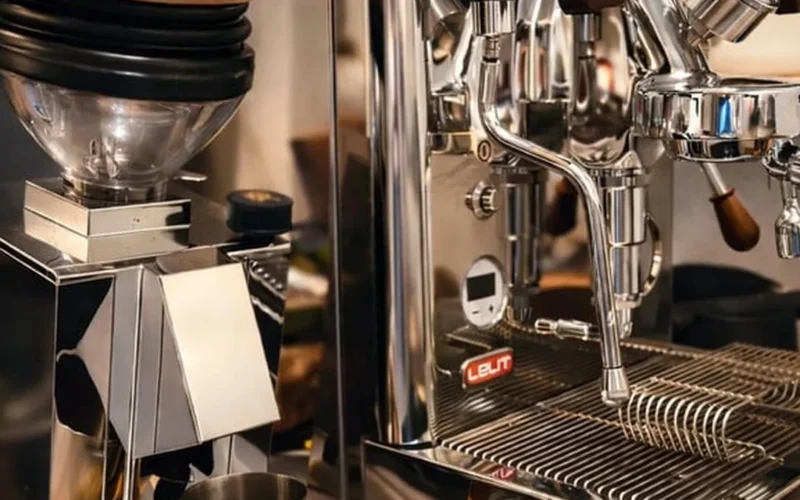
Consider this your morning briefing: The Lelit Bianca and Eureka Mignon represent the pinnacle of brewing precision, yet their maintenance routines have ignited a contentious discussion among professionals. These machines, celebrated for their advanced features, now face scrutiny over how best to preserve their performance without compromising their integrity.
The real question isn’t whether to clean your machine—it’s how to do it without sacrificing the precision that made your setup great in the first place.
The debate centers on two approaches: purists who advocate for complete disassembly to ensure optimal alignment, and pragmatists who rely on tools like Grindz to manage the bulk of cleaning tasks. A full disassembly is a meticulous process—scrubbing burrs, inspecting seals, and recalibrating pressure—but it demands significant time and carries the risk of misalignment. Grindz, with its precision grinding and vacuum suction, offers a streamlined alternative, though some question whether it adequately removes micro-residue. The Bianca’s flow profiling and the Mignon’s stepless dial make these machines especially sensitive to even the smallest misalignment, turning the cleaning ritual into a high-stakes balancing act.
Single Dose versus hopper versions present a further dimension to this discussion. The Single Dose model’s minimal retention suggests a reduced need for frequent deep cleaning, yet the absence of buildup also raises questions about long-term maintenance. Beyond mechanics, the debate touches on philosophy: are we cleaning to safeguard performance, or to avoid the burden of disassembly? The answer often hinges on how much precision one is willing to trade for convenience.
The real question isn’t whether to clean your machine—it’s how to do it without sacrificing the precision that made your setup great in the first place.
Environmental impact and cost-effectiveness also play a role in shaping a barista’s choice between full disassembly and Grindz-only methods. While the former ensures thorough cleanliness, it may come at a higher resource and time cost. The latter offers efficiency but may leave behind residues that could affect long-term performance.
How do you strike that balance? Full disassembly, Grindz-only, or something else entirely? We want to know.
Questions & Answers
How does full disassembly compare to using Grindz for cleaning Bianca and Mignon machines?
Full disassembly ensures thorough cleaning by scrubbing burrs, inspecting seals, and recalibrating pressure, but it requires significant time and risks misalignment. Grindz offers a streamlined alternative with precision grinding and vacuum suction, though some question its effectiveness in removing micro-residue.
Why is alignment critical when cleaning Bianca and Mignon machines?
Alignment is critical because the Bianca’s flow profiling and the Mignon’s stepless dial are highly sensitive to even minor misalignment, which can affect performance. Full disassembly is often necessary to maintain the precision that these machines are known for.
What are the differences between Single Dose and hopper versions in terms of maintenance?
The Single Dose version has minimal retention, reducing the need for frequent deep cleaning. However, the absence of buildup raises questions about long-term maintenance. Hopper versions may require more thorough cleaning to prevent residue accumulation.
How do environmental impact and cost influence cleaning methods for these machines?
Environmental impact and cost shape the choice between full disassembly and Grindz. Full disassembly ensures thorough cleanliness but demands more time and resources. Grindz offers a more efficient, cost-effective solution, though it may not remove all micro-residue.
Originally reported by Reddit Espresso.