

⏱ 1 min read
The Short Version
Stop treating green tea like the sole antioxidant gold standard; coffee and hibiscus may actually offer more potent cellular protection. True nutritional resilience comes from rotating diverse sources—from chlorogenic acids in your morning brew to anthocyanins in dark berry juices.
In This Article
Coffee lovers, tea devotees—it is time to stop treating green tea as the sole gold standard for antioxidant intake. While its catechins are legendary, they represent only one corner of a much larger nutritional landscape. Relying on a single beverage ignores several potent alternatives that may actually offer higher concentrations of protective compounds depending on how you consume them.
Coffee is a very underappreciated source of antioxidants, primarily in the form of chlorogenic acids.
The Power of Polyphenols
For many, coffee serves as an overlooked powerhouse for cellular defense. Registered dietitian Karen E. Todd notes that because it is such a dietary staple, it often becomes a primary driver of antioxidant intake through chlorogenic acids. These polyphenols work to mitigate oxidative stress by neutralizing free radicals before they can cause damage. Similarly, if you prefer something tart and floral, hibiscus tea offers a deep red infusion rich in unique plant compounds that have been studied for their potential impact on cardiovascular health. Coffee is a very underappreciated source of antioxidants, primarily in the form of chlorogenic acids.
Fruit Juices and Pure Cocoa
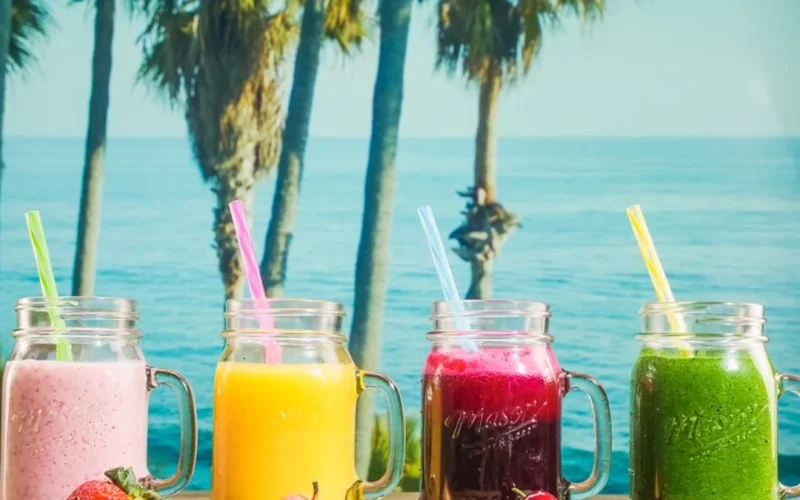
If you want to pivot toward fruit-based options, look toward the darker spectrum. Minimally processed juices from acai, maqui, or wild blueberries provide high levels of anthocyanins, the pigments responsible for their intense hues. Pomegranate juice also stands out as a heavy hitter in the fight against metabolic dysfunction. Even your dessert ritual can be functional; choosing unsweetened cocoa powder for a hot drink delivers essential flavanols. To maximize these benefits, avoid excessive added sugars which can negate the nutritional upside of these nutrient-dense liquids. The real secret to longevity isn’t finding one “super drink,” but rather embracing diversity across your entire diet. Pairing a morning coffee with a berry-heavy breakfast and finishing the day with dark chocolate ensures you are hitting a broad spectrum of plant compounds. By rotating between seeds, colorful vegetables, and various infusions, you build a more resilient defense system than any single cup could provide alone. Which antioxidant-rich beverage has become a permanent fixture in your daily routine?
Questions & Answers
What are the best beverage alternatives to green tea for antioxidants?
Several potent beverages serve as excellent alternatives to green tea, including coffee, hibiscus tea, and various fruit juices. Coffee provides significant amounts of chlorogenic acids, while hibiscus tea offers unique plant compounds that may support cardiovascular health. For those preferring fruit-based options, minimally processed juices like acai, maqui, or wild blueberry are rich in anthocyanins. Additionally, unsweetened cocoa powder delivers essential flavanols, providing a diverse range of protective compounds beyond the catechins found in traditional green tea.
How does coffee contribute to cellular defense and antioxidant intake?
Coffee contributes to cellular defense primarily through its high concentration of chlorogenic acids. These specific polyphenols work by neutralizing free radicals, which helps to mitigate oxidative stress before it can cause cellular damage. Because coffee is such a common dietary staple for many people, it often serves as a primary driver of total daily antioxidant intake. This makes it an overlooked powerhouse for maintaining a resilient defense system against the biological effects of oxidative stress throughout the day.
Why should you choose minimally processed fruit juices over sugary options?
Minimally processed fruit juices provide high levels of protective pigments called anthocyanins, which are found in dark fruits like acai, maqui, and wild blueberries. These compounds are essential for fighting metabolic dysfunction and providing nutritional benefits. However, it is critical to avoid excessive added sugars when consuming these liquids. High sugar content can negate the nutritional upside of these nutrient-dense drinks, making it important to prioritize pure or minimally processed versions to maximize their health potential.
What is the most effective way to consume antioxidants for longevity?
The most effective strategy for longevity is embracing diversity across your entire diet rather than relying on a single super drink. Building a resilient defense system requires rotating between various plant compounds found in different sources like seeds, colorful vegetables, and diverse infusions. For example, you can maximize intake by pairing morning coffee with a berry-heavy breakfast and finishing the day with dark chocolate. This broad spectrum approach ensures you hit a wider variety of protective nutrients than any single beverage could provide.
Originally reported by EatingWell.


[…] young buds retain their natural composition without intensive manipulation, they boast a remarkably high concentration of polyphenols. Testing has shown that Handunugoda’s Virgin White Tea contains an antioxidant content of 10.11%, […]